



The Sweet and Spicy Staple
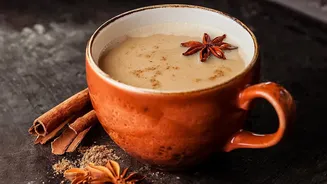
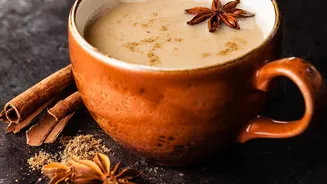
Let’s start with the icon: Masala Chai. This is the version most of the world knows and loves, a comforting blend of black tea, milk, sugar, and a warming mix of spices. While recipes are passed down through families and vary from house to house, the classic
spice blend, or 'masala', typically includes cardamom, ginger, cloves, and cinnamon. In Western India, particularly Gujarat, the sweetness is often enhanced with jaggery, which lends a deep, caramel-like flavour. Some variations might even include saffron for a luxurious, floral aroma. This is the chai of bustling street corners and morning rituals, a sweet, spicy, and creamy beverage that forms the baseline of India's tea culture.
A Savoury Sip from Kashmir
Travel north to the chilly valleys of Kashmir, and chai takes on an entirely different character. Here, you will find Noon Chai, a beautiful pink-hued tea that is savoury, not sweet. Made with special green tea leaves, milk, and salt, its most surprising ingredient is a pinch of baking soda. The soda reacts with the tea leaves during a unique brewing process, which involves continuous aeration, to create its signature rosy colour. This creamy, slightly thick tea is often garnished with chopped pistachios or almonds and is traditionally enjoyed in the cold climate, providing warmth and a distinctive taste experience that stands apart from any other chai in the country.
An Earthy and Smoky Twist
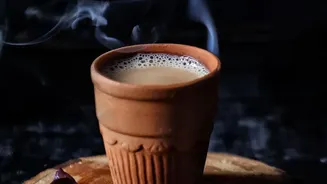
A more recent but wildly popular innovation is Tandoori Chai. This trend, which gained traction in cities like Pune, is all about the preparation method. First, a standard cup of sweet masala chai is prepared. The magic happens when empty clay cups, known as kulhads, are roasted at extremely high temperatures inside a tandoor oven until they are red-hot. The prepared chai is then poured into one of these searing hot kulhads. The tea sizzles and froths up dramatically, absorbing the earthy, smoky flavour of the superheated clay. The result is a regular chai elevated with a unique, rustic aroma that has captivated tea lovers across India, largely thanks to its theatrical and social media-friendly presentation.
The Citrus Refresher of Bengal
In contrast to the milky brews, West Bengal offers a zesty and refreshing alternative known as Lebu Cha, or lemon tea. Especially popular in Kolkata, this is typically a light black tea served without milk. Its invigorating flavour comes from a generous squeeze of fresh lemon juice—often the fragrant Gondhoraj lemon—and a pinch of black salt ('bit noon'). Many street vendors also add their own special 'moshla' or spice mix, which might include cumin or black pepper. The final drink is a perfect balance of tangy, savoury, and slightly sweet notes, making it a popular digestive after meals and a perfect pick-me-up on a hot day.