
The Joy of Starting Small
The 'all or nothing' approach is what stops many would-be gardeners in their tracks. The pressure to create a perfect, sprawling garden instantly is immense. But the secret to a lasting green thumb lies in starting small. Beginning with a single herb
pot is a low-cost, low-commitment way to learn the basics of plant care. It's a single victory that builds confidence. You learn about sunlight, watering, and soil in a manageable way. This small step provides the satisfaction of nurturing something and the reward of harvesting fresh flavours for your kitchen, making the entire process feel less like a chore and more like a delightful hobby. The therapeutic benefits, such as stress relief, are an added bonus.
Choosing Your First Herb Plant
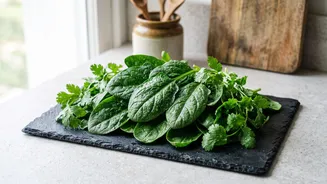
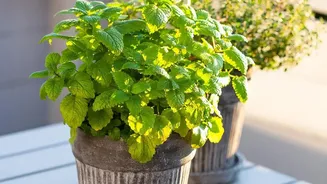
For your first foray into apartment gardening in India, choose herbs that are resilient and well-suited to our climate. Tulsi (Holy Basil) is an excellent choice, as it's hardy and revered in most households. Mint (Pudina) is another fantastic option that grows vigorously and is perfect for chutneys and drinks, though it's best kept in its own pot as it can be invasive. Coriander (Dhaniya) is essential for Indian cooking and grows quickly, allowing for a fast harvest. Other easy-to-grow options include Curry Leaves (Kadi Patta), which is a long-term investment, and Lemongrass, which doubles as a mosquito repellent. These plants are generally forgiving and provide quick, usable results.
The Right Pot and The Perfect Spot
The container you choose is crucial. The most important feature is drainage holes at the bottom to prevent water from logging and causing root rot. For a single herb plant, a pot that is 6 to 10 inches in diameter is a great start. Terracotta pots are a good, breathable option, though they dry out faster in the heat. Plastic pots are lightweight and retain moisture well. Finding the right location is just as important. Most herbs are sun-lovers and need about 4-6 hours of sunlight each day. A south or west-facing balcony or windowsill is often ideal. Observe the light in your chosen spot for a day to ensure your plant will get the energy it needs to thrive.
Soil, Planting, and Basic Care
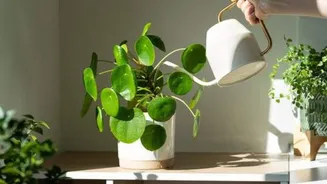
Do not use heavy soil from a garden bed. Instead, purchase a high-quality potting mix. These mixes are specifically designed to be lightweight, provide good drainage, and contain the right nutrients for container plants. When planting, fill your pot with the mix, make a small hole, gently place the plant's root ball inside, and cover with more soil. Water it well after planting. The golden rule of watering is to check the soil first. Stick your finger about an inch deep; if it feels dry, it's time to water. Overwatering is a common mistake for beginners. Water thoroughly until you see it drain from the bottom, then let it dry out slightly before the next watering.
Harvesting and Moving Forward
The best part of growing herbs is harvesting them. Regular trimming actually encourages the plant to grow bushier and more productive. Snip leaves from the top of the plant, which will encourage new growth from the sides. Once you've successfully kept your first herb alive and are enjoying the fresh taste, you might feel the urge to expand. This is the natural and sustainable way to grow your garden. You could add another herb, or perhaps a cherry tomato plant in a larger pot. Your single pot has now become your teacher, giving you the experience and confidence to gradually turn your balcony into that green oasis you first imagined, one plant at a time.