






Deconstructing the 'Natural' Label
The term 'natural' on a food label can be misleading. In many regions, the term isn't strictly regulated, which allows for broad interpretation. A sweetener can be called natural simply because its source material is found in nature, like sugar cane or a honeybee's
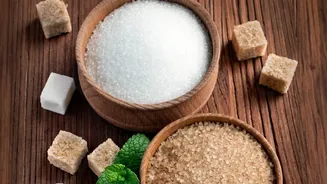
nectar. However, this label doesn't account for the processing that happens afterward. White table sugar comes from a natural plant, but it's refined to pure sucrose, stripping away any other compounds. Honey, while less processed than sugar, is still a form of added sugar. The 'natural' label can create a 'health halo,' making us believe a product is inherently better for us, when nutritionally it should still be consumed with the same moderation as other sweeteners.
A Tale of Two Sugars
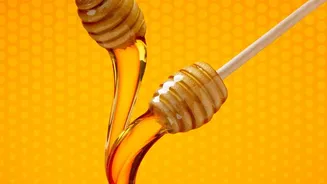
At a chemical level, honey and sugar are close relatives. Table sugar, or sucrose, is a disaccharide made of 50% glucose and 50% fructose bonded together. Before your body can use it, enzymes have to break that bond. Honey is also composed of glucose and fructose, but they mostly float freely, with a slightly higher proportion of fructose (about 40% fructose to 30% glucose). The rest of honey is water, along with trace amounts of other compounds. Because of this structure, the body can absorb honey's sugars more directly. Ultimately, however, once digested, your body is dealing with the same basic building blocks: glucose and fructose.
The Calorie and Glycemic Question
Comparing calories can be tricky. Gram for gram, honey is lower in calories than sugar because it contains water. However, honey is denser. A tablespoon of honey has about 64 calories, while a tablespoon of sugar has around 49. Many people find honey to be sweeter than sugar, so they may use less of it, potentially evening out the calorie difference. Another key difference is the glycemic index (GI), which measures how quickly a food raises blood sugar. Table sugar has a GI of around 65. Honey’s GI is typically lower, averaging around 58, though it can vary. This means honey may raise blood sugar slightly more gradually than sugar, but the difference is modest and it is still considered a high-GI food.
Beyond the Basic Sugars
This is where honey starts to pull ahead, albeit slightly. Unlike refined sugar, which offers 'empty calories', honey contains trace amounts of beneficial compounds. Depending on the floral source, honey can contain small quantities of vitamins, minerals like potassium and iron, amino acids, and enzymes. Crucially, honey is known for its antioxidants, including flavonoids and phenolic acids, which help protect the body's cells from damage. Some studies suggest these compounds may contribute to better heart health markers. Raw, unfiltered honey tends to have a higher concentration of these beneficial components, as high-heat processing can diminish them.
The Bottom Line for Your Body
Despite the minor advantages, it is critical to remember that honey is still sugar. When you consume too much of any added sugar, your liver works to process the fructose. Excess fructose consumption is linked to health issues like increased triglycerides, insulin resistance, and non-alcoholic fatty liver disease. While the antioxidants in honey are a bonus, the amounts are too small to counteract the effects of high sugar intake. Experts agree that both honey and sugar should be consumed sparingly. The choice to use honey might offer a small nutritional benefit over sugar, but the far more important factor for your health is limiting your overall intake of all added sugars.