



A Contrast in Speed and Style
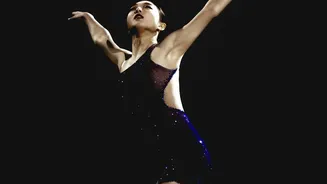
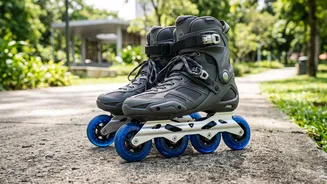
Skating, whether on wheels or ice, is an exercise in momentum and dynamic balance. It's a cardiovascular workout that involves propelling yourself through space, requiring constant adjustments to maintain stability while in motion. It's often associated
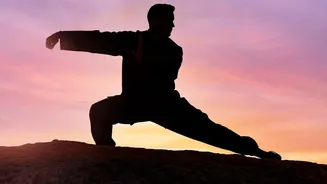
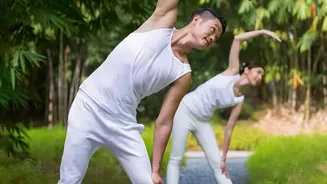
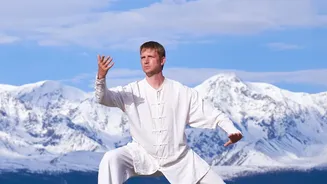
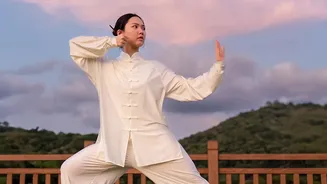
with music, speed, and an outward focus on the environment. In stark contrast, Tai Chi is often called 'meditation in motion'. This ancient Chinese martial art involves slow, controlled, and flowing movements linked to deep breathing. The practice is low-impact, with muscles relaxed and joints never fully extended, making it gentle on the body. The energy here is internal, promoting a state of calm awareness and mental quiet.
Building the Body, Differently
Regular practice in both disciplines builds physical resilience, but they target different systems. Skating is an effective aerobic exercise that strengthens the heart and improves cardiovascular endurance. It’s a full-body workout, significantly strengthening the legs, glutes, and core as they work to power movement and maintain balance. Over time, this leads to increased muscle endurance and the ability to burn a substantial number of calories. Tai Chi's benefits are more subtle but equally profound. Its slow movements are excellent for improving balance, flexibility, and muscle strength, comparable in some ways to resistance training. It strengthens the small stabilising muscles around the joints, which is crucial for preventing falls, particularly in older adults. While skating builds strength through dynamic force, Tai Chi does it through sustained control and body awareness.
Two Paths to Mental Focus
The mental discipline required for each activity highlights another key difference. A skater must maintain sharp, reactive focus. Their attention is directed outward, constantly scanning for changes in terrain, obstacles, and other people. This trains quick reflexes and the ability to make split-second adjustments to maintain stability at speed. Tai Chi cultivates an entirely different mental state: mindfulness. The practice encourages a calm, non-judgmental focus on the body's sensations, posture, and the flow of breath. This inward attention helps to quiet mental 'chatter' and reduce stress and anxiety. Studies have shown that regular Tai Chi practice can improve cognitive functions like memory, focus, and even creative thinking by fostering a calmer, more flexible mind.
The Journey from Clumsy to Confident
For any beginner, the first steps in either skating or Tai Chi are marked by conscious, often clumsy, effort. A new skater focuses intensely on simply staying upright, while a Tai Chi novice concentrates on memorising the sequence of movements. However, this is where the magic of regular practice becomes most apparent. With consistency, these conscious efforts transform into unconscious competence. The skater no longer thinks about balancing; they just skate. The Tai Chi practitioner moves through the forms with a natural, flowing grace. In both cases, practice rewires the brain and body, creating new neural pathways and muscle memory. The key takeaway is that consistency, not intensity, is what forges skill and allows the deeper benefits of each exercise to emerge.