

The Mushroom's Secret: A Savory Powerhouse
The magic of mushrooms comes down to a single word: umami. Recognized as the fifth basic taste alongside sweet, sour, salty, and bitter, umami is that satisfying, savory flavor often associated with broth, aged cheese, and meat. Mushrooms are packed with a naturally
occurring amino acid called glutamate. When glutamate hits our taste receptors, our brain registers it as a deep, savory sensation. But mushrooms have another trick up their sleeve. They also contain nucleotides, specifically one called guanylate. When glutamate and guanylate team up, they create a synergistic effect, amplifying the umami flavor to a level much greater than either compound could achieve alone. This is why mushrooms, especially cooked or dried varieties like shiitake, can add such a profound, meaty depth to dishes. Cooking breaks down the mushroom's cell walls, releasing more of these flavor compounds and concentrating their power.
The Zucchini Canvas: A Study in Absorption
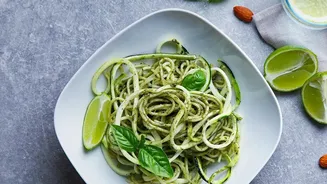
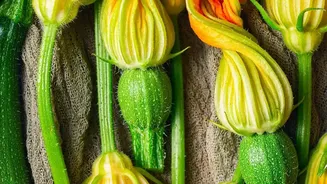
If mushrooms are flavor creators, zucchini is a flavor chameleon. Its talent lies in its subtlety and structure. Zucchini has an incredibly high water content—often around 95%—and a very mild, slightly sweet, and grassy taste on its own. It doesn't have the high concentrations of potent flavor compounds found in mushrooms. Instead, its cellular structure is more porous and sponge-like. When cooked, this structure breaks down as water is released, creating space to soak up whatever flavors it's paired with, from garlic and herbs to rich sauces and spices. This is why zucchini is so versatile; it doesn’t compete with other ingredients but rather adopts their personality, making it a perfect filler or base for a wide range of dishes. Essentially, you're not tasting the zucchini itself, but the delicious flavors it has absorbed.
A Tale of Two Cell Walls
The fundamental difference in how these two behave extends to their very cell structure. Fungi, including mushrooms, are genetically closer to animals than plants. Their cell walls are made of a tough material called chitin—the same substance found in insect exoskeletons. This gives mushrooms a firm texture that can withstand high heat without turning to complete mush, allowing them to brown and develop flavor through the Maillard reaction. Zucchini, on the other hand, is a fruit. Its plant-based cell walls are primarily made of cellulose and pectin. This structure is much more delicate. When heated, the cell walls soften and release water, leading to a tender, sometimes mushy texture if overcooked. This structural breakdown is precisely what allows it to act like a sponge for oils and sauces.
A Nutritional Snapshot
From a nutritional standpoint, both vegetables are excellent, low-calorie choices. Mushrooms are a fantastic source of B vitamins, which are crucial for energy production, and minerals like selenium, a powerful antioxidant. They can also provide vitamin D if they've been exposed to UV light. Zucchini shines in other areas, offering significant amounts of vitamin C, potassium, and magnesium. While both are low in calories and carbohydrates, their nutritional profiles reinforce their culinary roles. Mushrooms provide protein and complex compounds that contribute to their rich taste, while zucchini’s high water and fiber content make it a hydrating, light addition to meals that carries other nutrients well.
Making Them Shine in Your Kitchen
Understanding this science can make you a better cook. To maximize the umami from mushrooms, cook them over high heat. This helps evaporate their water quickly, encouraging the Maillard reaction which leads to browning and a more concentrated, savory flavor. Don't crowd the pan, as that will cause them to steam instead of sear. For zucchini, the key is managing its water content. Salting sliced zucchini and letting it sit for about 20 minutes before cooking can draw out excess moisture. This prevents a soggy final dish and allows it to better absorb the flavors you add while achieving a better texture, whether you're grilling, sautéing, or roasting.