







A Victim of Its Own Success
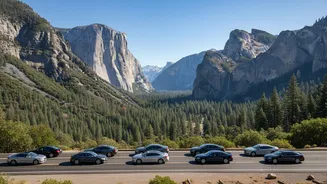
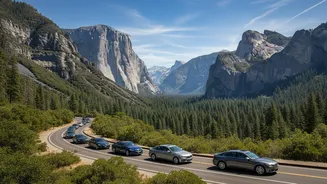
Anyone who has tried to find a parking spot in Yosemite Valley on a summer Saturday knows the struggle. With over four million visitors annually, the park's infrastructure is often overwhelmed. The 2026 season, which saw the end of a pandemic-era reservation
system, brought renewed concerns about overcrowding. Visitors have reported long lines at entrance gates and popular trailheads, with parking lots often filling up before mid-morning. This congestion not only frustrates visitors hoping for a serene escape but also puts a significant strain on the park's delicate ecosystem and resources. The challenge has long been how to manage the flow of people without diminishing access to one of America's most beloved landscapes.
How AI Offers a Path Forward
In response, Yosemite is embarking on a high-tech project to get ahead of the gridlock. Thanks to a grant from the National Park Foundation, the park is developing an Integrated Visitor Information (IVI) system. The core idea is to use artificial intelligence to create a real-time, park-wide traffic and congestion forecast. By analyzing data, the AI can predict when and where bottlenecks will occur, allowing park managers and visitors to make smarter, more informed decisions. This isn't about replacing park rangers with robots, but rather giving them a powerful tool to manage operations and enhance the visitor experience.
From Data Points to Dynamic Maps
For an AI system to work, it needs data—and lots of it. The project will integrate information from various sources. Smart cameras and sensors will be deployed to monitor vehicle counts and parking availability in real-time. This information will be combined with existing data sets, such as road status, visitor entry times, and even weather forecasts. The AI algorithms will then process this information to build a dynamic, predictive model of the entire park. The goal is to create a system that doesn't just report a full parking lot, but anticipates it will be full an hour from now, giving visitors time to adjust their plans. Other national parks are also exploring similar technologies, from using cell phone data for staffing to deploying eco-sensors for crowd control.
Nudging Visitors, Not Forcing Them
The true power of this system lies in communication. The plan is to feed these AI-driven insights directly to visitors through multiple channels. Imagine your phone buzzing with an alert suggesting an alternative, less-crowded hiking trail, or a digital sign on the road to the valley displaying real-time parking availability and suggesting you visit the Mariposa Grove of Giant Sequoias first. The information will be synced across the park's website, mobile apps, and visitor center displays. The approach is to gently guide and inform, empowering people to spread themselves out more evenly across the park's vast landscape. It shifts the dynamic from reactive frustration to proactive planning, helping everyone have a better day.
The Road Ahead for a Smarter Park
This initiative in Yosemite is still in its conceptual phase, with the grant funding a period of testing to see which technologies are most effective. There are challenges to consider, including the cost of deploying and maintaining a network of sensors in a rugged environment, ensuring data privacy, and making sure the information is accessible to all visitors, regardless of their tech-savviness. There's also a philosophical question about how much technology we want in our wild spaces. However, proponents argue that using technology to reduce human impact and frustration is a worthy trade-off. As one of 21 parks receiving tech-focused grants, Yosemite's experiment could provide a blueprint for the future management of public lands across the country.