








The Engine Behind the Boom: Artificial Intelligence
The single biggest driver behind this surge is Artificial Intelligence. Companies across the globe, from tech giants to traditional enterprises, are pouring unprecedented sums into building the infrastructure needed to support AI. According to analysts,
the race to develop and deploy AI is fueling what is being called "the largest infrastructure project ever attempted by humanity." This isn't just about buying a few new servers; it's a fundamental re-architecture of corporate technology stacks to handle the intense computational demands of AI workloads. This has created a massive ripple effect, boosting spending in nearly every corner of the IT market.
Data Centres: The Fastest-Growing Sector
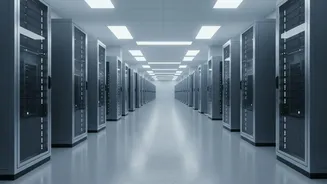
Nowhere is the AI effect more visible than in Data Centre Systems. This category is predicted to see the most dramatic growth, with spending expected to jump by a staggering 62.5% to reach $822 billion in 2026. This segment includes the servers, storage, and networking equipment that form the physical backbone of the digital world. As companies rush to build out their AI capabilities, the demand for AI-optimised servers and high-performance computing has skyrocketed, making data centres the hottest ticket in the tech economy.
Software and Cloud Services Lead the Pack
While hardware grabs headlines with its explosive growth, the software and services sectors are seeing massive investment as well. Software spending is forecast to grow by a robust 15.5%, reaching $1.47 trillion. This reflects the high demand for AI-enabled enterprise applications and the platforms needed to run them. Closely related is Infrastructure as a Service (IaaS), the cloud computing category dominated by players like Amazon Web Services, Microsoft Azure, and Google Cloud. IaaS spending is projected to climb 29.3% to $287 billion as businesses rent massive computing power from the cloud instead of building it all themselves.
Steady Growth in Services and Devices
Confirming the headline's claim, every major category is indeed on an upward trajectory. The IT Services segment, which includes consulting, implementation, and managed services, is projected to grow 5.3% to become the largest single category by spending, at $1.57 trillion. This indicates that companies are not just buying new technology, but also paying for expertise to help them integrate and manage it. Even the Devices market—comprising PCs, tablets, and mobile phones—is expected to see healthy growth of 9.8%, reaching $868 billion. Rounding out the forecast, Communications Services are predicted to grow by 4.4%.
What This Means for Indian Businesses
For India's technology landscape, these global trends are incredibly significant. The nation's world-renowned IT services industry is poised to benefit directly from the increased global demand for implementation and management expertise. As global enterprises ramp up their AI and cloud projects, they will increasingly turn to Indian tech firms for skilled talent and cost-effective solutions. Domestically, Indian companies must also heed the forecast. The message is clear: investing in AI and modern cloud infrastructure is no longer optional for staying competitive. Businesses that align their technology budgets with these dominant trends—focusing on data, AI-readiness, and software modernization—will be best positioned to capture growth in the coming years.