



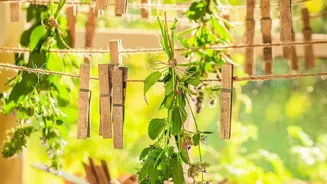

Tulsi (Holy Basil): The Sacred Healer
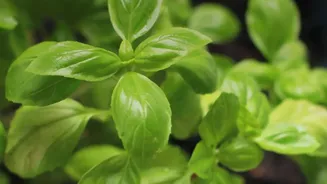
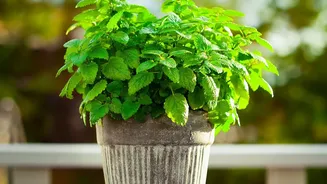
No Indian home garden feels complete without Tulsi. Revered for its spiritual significance, it is also a powerhouse of medicinal properties. Growing Tulsi is remarkably easy; it thrives in pots and requires only moderate sunlight and regular watering.
A few leaves a day can help boost immunity and provide relief from common coughs and colds. For a bushier plant with more leaves, pinch off the flowering heads (manjiri) as they appear. This encourages the plant to direct its energy into producing more of its aromatic foliage. Place it on an east-facing balcony for gentle morning sun.
Pudina (Mint): The Prolific Cooler
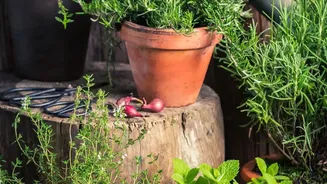
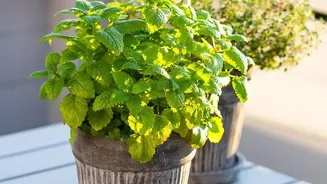
Mint is a wonderfully aggressive plant, which makes it perfect for beginners as it grows quickly with minimal effort. In fact, it is best grown in a container by itself, as its roots can quickly take over a shared pot. All it needs is moist soil and a spot that gets partial sun, though it can tolerate a good amount of shade. A fresh supply of pudina is perfect for whipping up chutneys, flavouring raita, or brewing a refreshing cup of mint tea. Regular trimming not ably provides you with fresh leaves but also encourages the plant to grow fuller and healthier.
Dhaniya (Coriander): The Essential Garnish
Fresh coriander, or cilantro, is a staple garnish in countless Indian dishes, but store-bought bunches often wilt quickly. Growing your own ensures a constant, fresh supply. Coriander prefers cooler weather and at least 4-6 hours of sunlight. It grows best from seeds sown directly into a pot with well-draining soil. Keep the soil consistently moist but not waterlogged. You can start harvesting the outer leaves once the plant is about six inches tall, allowing the centre to continue producing new growth. In hotter weather, it may flower quickly ('bolt'), so sowing a new batch every few weeks is a good strategy.
Kadi Patta (Curry Leaves): The Flavour of India
The aroma of curry leaves sizzling in hot oil is central to so many regional cuisines. While it grows into a small tree, the Kadi Patta plant adapts surprisingly well to life in a large pot on a sunny balcony. It loves sunlight, so a south or west-facing spot is ideal. Use a deep pot with good drainage and water it thoroughly, but allow the top layer of soil to dry out before watering again to prevent root rot. Pruning the tips will encourage a bushier plant, giving you more of its fragrant leaves for tempering dals, curries, and poha.
Ajwain (Carom): The Digestive Aid
The Ajwain plant is another easy-to-grow herb with beautiful, thick leaves that have a pungent, distinctive flavour. While the seeds are more commonly used in cooking, the leaves themselves can be eaten raw for indigestion or dipped in batter and fried to make flavourful pakodas. The plant thrives in full sunlight and well-drained soil. It doesn't require a lot of water, making it a fairly low-maintenance addition to your balcony garden. Its leaves have a strong aroma and are a traditional home remedy for stomach ailments.
Lemongrass: Aromatic and Refreshing
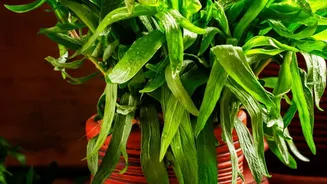
Bringing a distinct citrusy fragrance to your balcony, lemongrass is both a culinary and medicinal marvel. It's a key ingredient in many Southeast Asian cuisines and makes a wonderfully soothing tea. This tropical grass loves the sun and grows vigorously in the Indian climate. Plant it in a large, deep pot to accommodate its root system. It needs regular watering to thrive. You can harvest it by cutting the stalks at the base once they are about half an inch thick. This not only provides you with fresh stalks for your kitchen but also encourages new growth.