




The Basics of Propagation
Plant propagation is simply the process of creating new plants from a parent plant. Using cuttings is one of the most popular methods. All you need are a healthy parent plant, a clean pair of scissors or shears, and a container of water or a pot with
soil. The key is to take a cutting that includes a 'node'—a small bump on the stem where leaves and roots emerge. For most plants, a cutting of about 4-6 inches is ideal. Clean tools prevent the spread of disease, and ensuring your new cutting gets the right amount of light and water is crucial for it to develop roots and grow into a new, independent plant. It's a fantastic way to fill your home with more greenery or share your favourite plants with friends and family.
Money Plant (Epipremnum aureum)
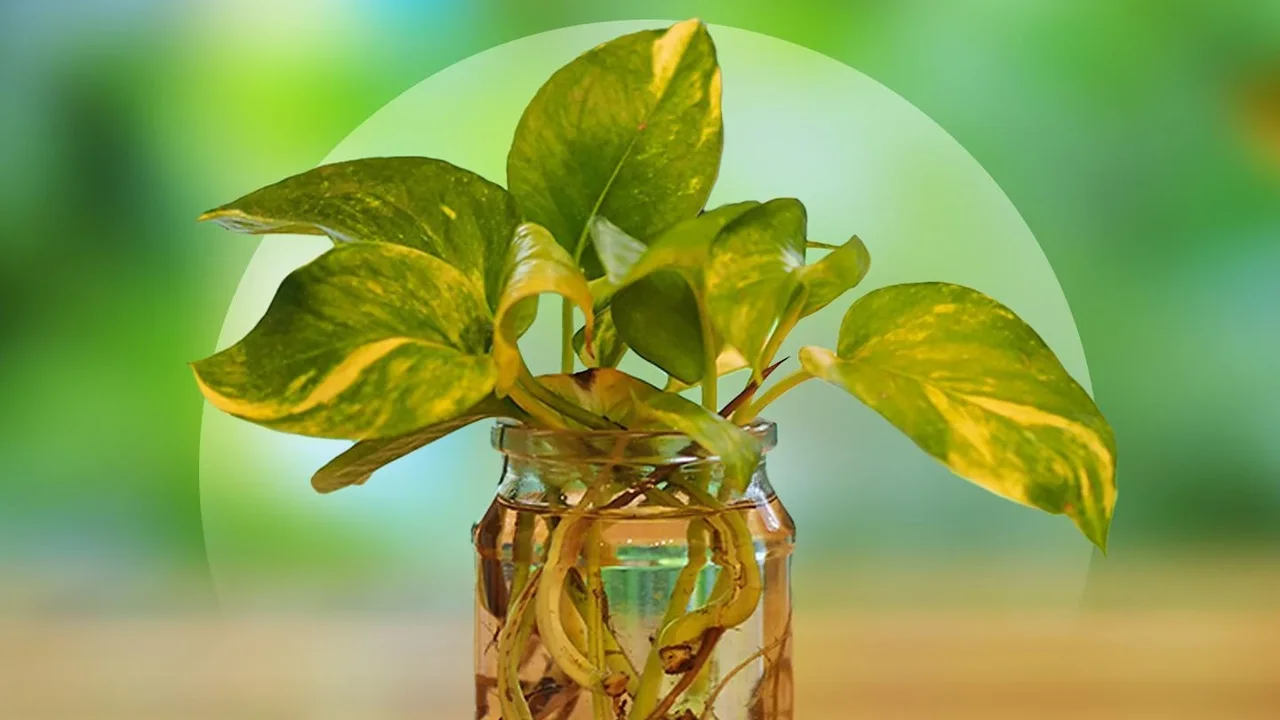
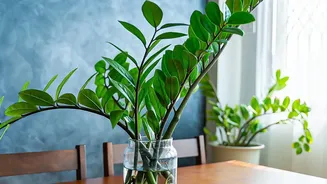
Often called Golden Pothos, the Money Plant is arguably the easiest plant to propagate, making it perfect for beginners. Its forgiving nature means it thrives even with a little neglect. To propagate, take a stem cutting that is 4-6 inches long and includes at least one or two nodes. You can simply place this cutting in a jar of clean water. Position it in a spot with bright, indirect light, and change the water every few days. Within a couple of weeks, you will see small white roots begin to sprout from the nodes. Once the roots are about an inch long, you can transfer the new plant into a pot with well-draining soil.
Snake Plant (Dracaena trifasciata)
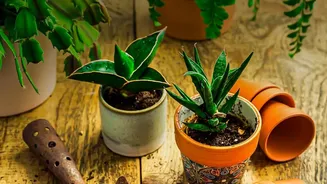
The Snake Plant is another incredibly resilient and popular indoor plant in Indian homes. Unlike vining plants, it's often propagated from leaf cuttings. Using a clean knife, cut a healthy, mature leaf into several sections, each about 3-4 inches long. It's very important to remember which end is the bottom (the part closest to the soil), as it will not root if planted upside down. You can place these cuttings directly into a pot with moist, well-draining soil. Alternatively, place them in a jar with an inch of water. Rooting can take several weeks or even a couple of months, so patience is key. The striking, upright leaves make it a modern and stylish addition to any room.
Hibiscus (Hibiscus rosa-sinensis)
Known for its large, vibrant flowers, the Hibiscus is a garden favourite that can be successfully grown from cuttings. The best time to take cuttings is in late spring or early summer from new growth, known as softwood. Select a healthy stem that hasn't flowered, and take a cutting of about 4-6 inches, ensuring it has a few leaves at the top. Remove the lower leaves. For better success, you can dip the cut end into a rooting hormone, though it's not strictly necessary. Plant the cutting in a pot filled with a well-draining potting mix, making sure at least one node is buried under the soil. Keep the soil consistently moist and place the pot in a spot with partial sun.
Rose (Rosa)
Propagating roses allows you to replicate your favourite blooms. The ideal cutting is a stem about the thickness of a pencil, taken after a flower has faded. Cut a piece about 6-8 inches long, making the cut just below a leaf node. Remove all the leaves except for the top one or two, and trim off any thorns on the lower part of the stem. Dipping the end in rooting hormone can significantly increase your success rate. Plant the cutting in a pot with a mix of soil and sand for good drainage. Water thoroughly and cover the pot with a plastic bag or bottle to create a humid environment, which helps the cutting take root. Keep it in a bright spot but out of direct sunlight.
Spider Plant (Chlorophytum comosum)
Spider Plants make propagation incredibly easy by doing most of the work for you. They produce small baby plants, or 'spiderettes', that dangle from the mother plant. These are essentially miniature plants, often with small roots already starting to form. Simply snip off a spiderette and place it in a small pot of soil or a glass of water. If planting in soil, keep it lightly moist. If using water, transfer it to soil once the roots have grown to about an inch long. They are known for being very easy to care for and are great air purifiers, making them a popular choice for homes and offices.