



First, What Is Hair Porosity?
Hair porosity isn't about how much hair you have, but how well each strand absorbs and holds moisture. It's determined by the state of your hair's cuticle, its outermost layer. Low porosity hair has tightly bound cuticles, making it resistant to absorbing
moisture and colour. High porosity hair has gaps or lifted cuticles, often from chemical processing or heat damage, so it soaks up moisture and colour quickly. Medium porosity is the happy medium. You can test yours by dropping a clean strand of hair into a glass of water. If it floats, you likely have low porosity. If it sinks slowly, it's medium. If it sinks quickly, you have high porosity hair.
The Science of Beetroot's Stain
The vibrant red of beetroot comes from a class of pigments called betalains, specifically a compound named betanin. This pigment is water-soluble and provides that beautiful reddish-purple hue that can temporarily stain your hair. Unlike chemical dyes that use agents like ammonia to force the cuticle open and deposit colour deep inside, beetroot juice acts as a surface-level stain. It coats the hair shaft, clinging to the outside. This is where porosity plays a crucial role. Because high porosity hair has raised, open cuticles, there is more surface area and more gaps for the pigment to grab onto, leading to a more noticeable initial colour deposit compared to low porosity hair.
Your DIY Beetroot Hair Colour Guide
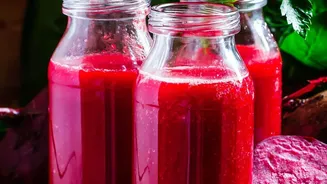
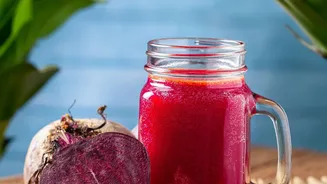
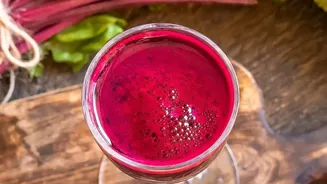
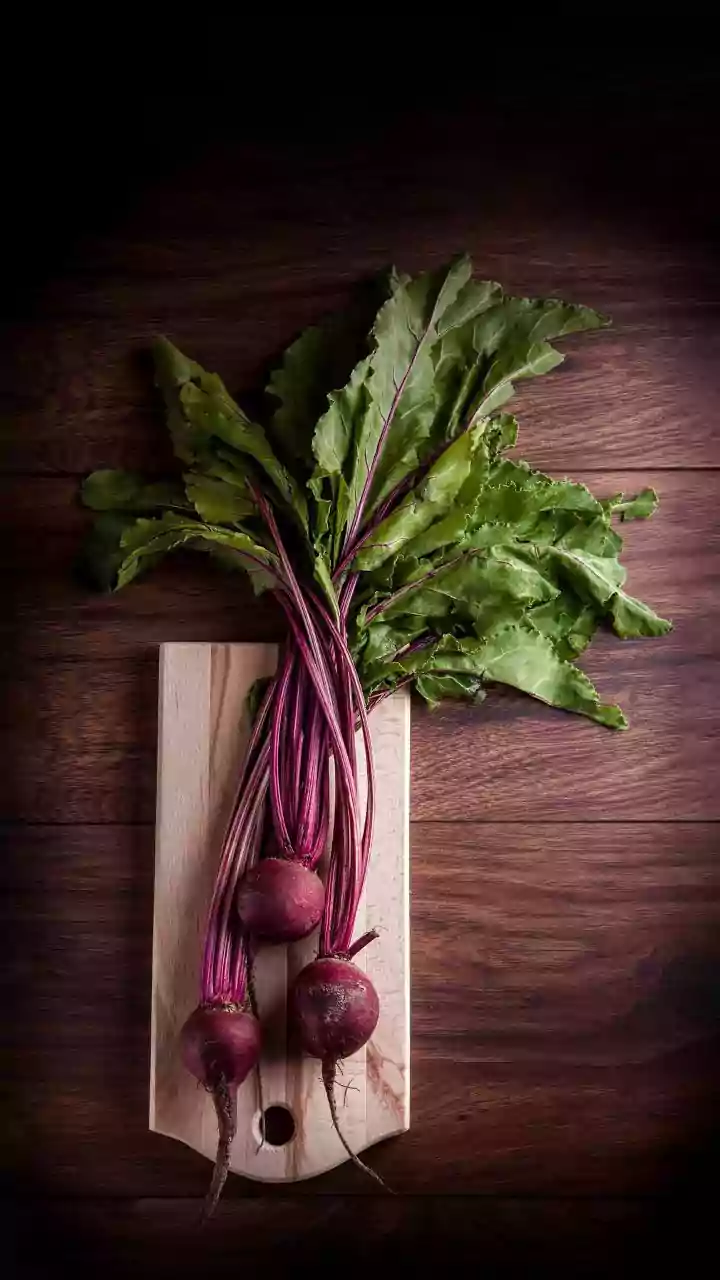
Ready to give it a try? This process is simple, but messy, so wear old clothes and gloves. You'll need one or two fresh beetroots, a carrier oil like coconut or olive oil, and a shower cap. Start by juicing or blending the beetroots to extract the fresh juice, straining out any pulp. Mix the juice with a couple of tablespoons of your chosen oil; this helps with even application and adds conditioning benefits. Before applying all over, it is highly recommended to perform a patch test on a small area of your skin and a strand test on a hidden section of your hair to check for any reaction and to preview the colour. Once you're ready, work the mixture through clean, dry hair, ensuring even saturation. Cover your hair with a shower cap and let it sit for at least one to two hours—longer for a deeper tint. Finally, rinse your hair thoroughly with cool water.
What Results Can You Really Expect?
It's important to manage expectations. Beetroot dye provides a temporary tint, not a permanent or dramatic change. The most vivid results will be seen on lighter hair, such as blonde, light brown, or grey, where it can produce a pinkish or reddish hue. On dark brown or black hair, the effect will be far more subtle, likely appearing as a reddish sheen that's most visible in direct sunlight. The colour is a wash-out tint, and its intensity will depend on your starting colour, your hair's porosity, and how long you leave the mixture on.
Making Your Natural Colour Last
This is where the headline's claim gets interesting. Highly porous hair absorbs the beetroot pigment more readily, leading to a stronger initial colour. However, because the cuticles are open, it can also lose pigment just as quickly. So, while porous hair takes the colour well, making it hold requires some care. The key is to help seal the cuticle after colouring. Rinsing with cold water helps close the cuticle. To prolong the tint, wash your hair as infrequently as possible using sulfate-free shampoos and cool water. Avoiding heat styling can also help the temporary colour fade more slowly. With these steps, the more significant initial deposit on porous hair can indeed translate to a longer-lasting effect compared to low-porosity hair, which may not have absorbed much colour in the first place.