




Forging a Body for Zero-G
Long before they board the Dragon spacecraft, the physical preparation for a mission like Crew-13 begins. The goal is to counteract the harsh effects of microgravity, which can cause muscle atrophy and bone density loss. Astronauts engage in a rigorous
fitness regimen that combines strength training, cardiovascular endurance, and flexibility. This isn't just about being in good shape; it's a matter of survival and mission readiness. Workouts often include heavy resistance exercises like squats and deadlifts to maintain muscle mass and bone strength. Cardiovascular training is equally critical, with astronauts spending hours on treadmills and stationary bikes to ensure their hearts remain strong without the constant pull of gravity. This intense physical conditioning is necessary not only to survive the flight but also to perform demanding tasks like spacewalks, which can last for hours in a heavy, pressurized suit.
Simulating Every Possibility
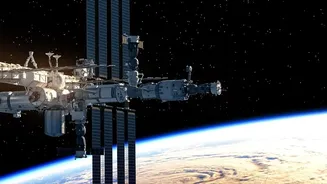
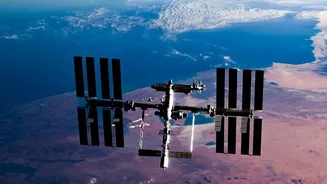
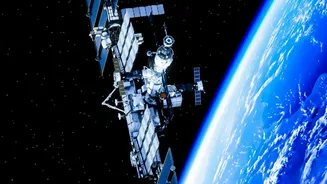
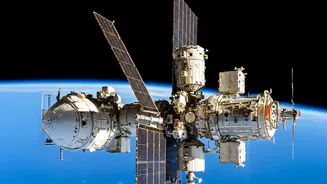
While physical strength is crucial, procedural knowledge is what ensures mission success and safety. Astronauts spend years in simulators, rehearsing every phase of their flight, from launch to docking with the International Space Station (ISS) and landing. These aren't simple computer games; they are highly realistic mockups that replicate the sights, sounds, and even the feeling of spaceflight. For spacewalk training, astronauts spend hours in the Neutral Buoyancy Laboratory, a massive swimming pool containing full-sized replicas of space station modules. Here, they practice complex repair and maintenance tasks in a simulated weightless environment, spending about 10 hours underwater for every one hour they will actually spend on a spacewalk. This exhaustive training builds muscle memory, so that in a real emergency, their actions are second nature.
Mastering the Spacecraft
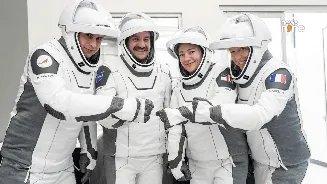
Each mission has specific training tailored to the vehicle. For Crew-13, this means becoming intimately familiar with the SpaceX Crew Dragon spacecraft. Astronauts learn the function of every switch, button, and software interface inside the capsule. This vehicle-specific training covers normal operations, such as docking autonomously with the ISS, but places heavy emphasis on emergency procedures. They run through countless drills for scenarios like cabin depressurization, fire, or system malfunctions. The crew trains in meticulously designed mockups, often wearing their actual flight suits to master everything from entering the craft to handling suit pressurization. The goal is complete mastery, giving them the ability to take manual control and solve problems independently if the need arises.
The Mental Marathon
Beyond the physical and procedural challenges lies the immense psychological pressure of space travel. Astronauts are selected for key traits like resilience, good judgment, and teamwork. They then undergo extensive mental preparation to cope with the isolation, stress, and confinement of a long-duration mission. This includes training in stress management, conflict resolution, and maintaining strong interpersonal relationships within the small crew. Communication with ground control and with each other is a core skill that is constantly practiced. They also receive training to manage their own mental well-being through techniques like mindfulness and maintaining structured routines to create a sense of normalcy far from home. This mental fortitude is the invisible foundation that supports the entire crew through the challenges of living and working in the most unforgiving environment known to humanity.