



The Puzzle of the Missing Minis
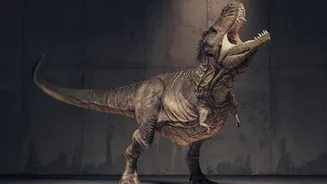
For over a century, the story of dinosaurs has been a tale of the colossal. We marvel at the sheer size of sauropods and the terrifying bulk of apex predators. Yet, a persistent question has puzzled palaeontologists: where are all the tiny dinosaurs?
In most ecosystems, past and present, small animals vastly outnumber large ones. But the fossil record of the non-avian dinosaurs shows a strange gap at the lower end of the size scale. The smallest known adult dinosaurs weighed around 400-500 grams, roughly the size of a crow or a large rabbit. That’s huge compared to the smallest living mammals, reptiles, or their bird descendants, which can weigh as little as two grams. For years, the common explanation was simple preservation bias—the idea that the fragile bones of tiny creatures were less likely to survive and become fossils. But new research suggests a far more interesting explanation. It argues that this isn't just a failure to find them; tiny dinosaurs may have been genuinely rare, or even absent, for a very specific ecological reason.
It’s Not a Fossil Problem
A recent study published in the journal 'Evolution' took a fresh look at this size mystery. Researchers argued that if the lack of tiny dinosaurs was purely a fossilization issue, we shouldn't be finding other small animals from the same period. Yet we do. Fossil sites that yield dinosaur bones also frequently preserve the delicate skeletons of tiny mammals, lizards, frogs, and amphibians from the Mesozoic Era. Scientists examined exceptionally well-preserved fossil beds, such as those in China and Mongolia, where even very small animals are routinely found. Even in these prime locations, dinosaurs below a certain size threshold are completely missing, while their miniature contemporaries are present. This evidence strongly suggests the gap is real, not just an artifact of an incomplete record. Something was actively preventing dinosaurs from evolving into the mouse-sized and sparrow-sized forms that are so common in other animal groups.
An Evolutionary Stand-Off
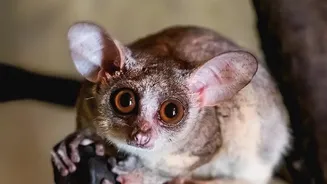
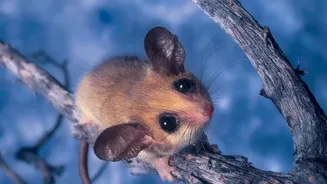
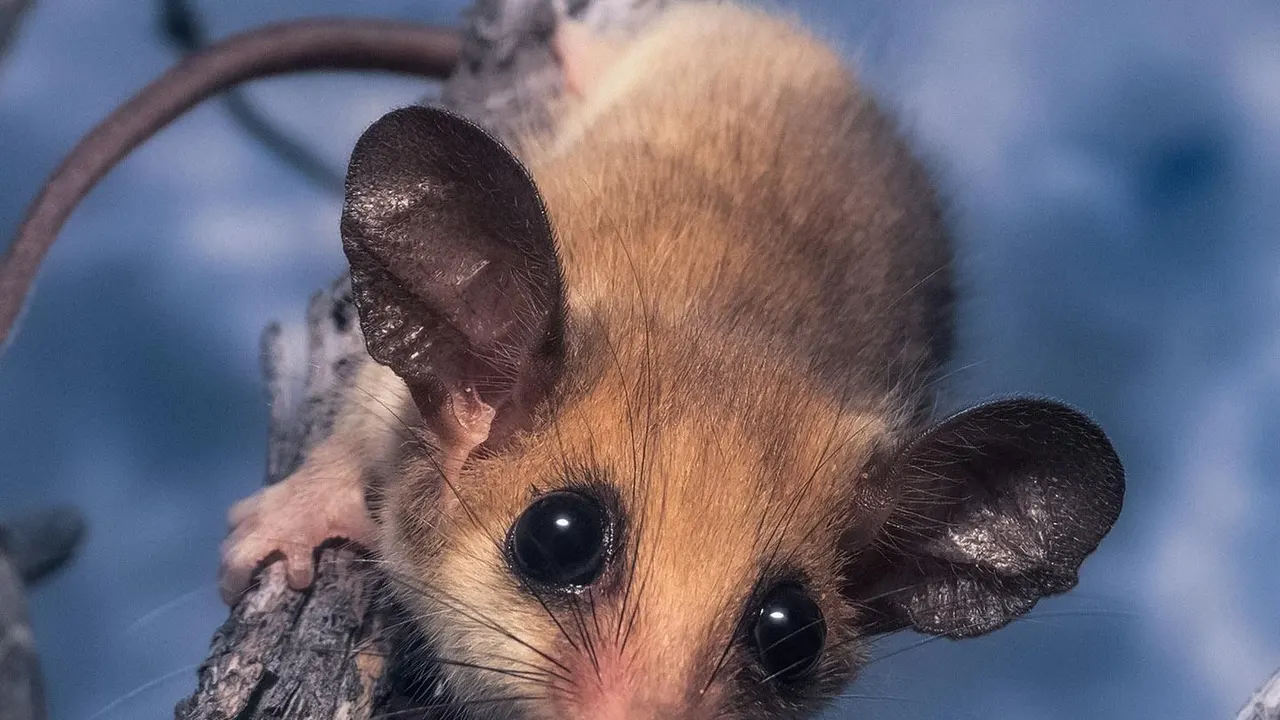
So if it wasn't the fossil record, what was it? The new study proposes a compelling theory: competition. Throughout the Age of Dinosaurs, early mammals were already thriving in the shadows. While dinosaurs dominated the large-animal niches, preventing mammals from growing big, mammals may have returned the favour at the other end of the scale. By occupying the ecological niches for small, fast-metabolizing insect-eaters and seed-eaters, our shrew-sized ancestors might have effectively created an evolutionary blockade. They were so successful in this tiny-creature space that there was simply no room for dinosaurs to shrink down and compete. In this view, the two groups were in a kind of long-term ecological standoff. Dinosaurs owned the day and the large-body world, while mammals owned the night and the world of the very small.
The Ancestors Were The Exception
This makes another fascinating discovery even more significant. While dinosaurs themselves never got truly tiny, their earliest ancestors did. Research on a 237-million-year-old reptile from Madagascar named Kongonaphon kely, or “tiny bug slayer,” revealed an animal that stood only 10 centimetres tall. This creature lived just before the dinosaur and pterosaur lineages diverged. Its discovery provided strong evidence that these giant-producing lineages originated from extremely small ancestors, undergoing what scientists call a "miniaturization event." This tiny ancestor likely ate insects, a niche that helped it survive. The fact that dinosaurs started so small, ballooned to enormous sizes, but then could never shrink back down suggests that the ecological landscape had changed, with mammals perhaps filling the niche their tiny ancestors once occupied.
The One Group That Broke Free
There is one group of dinosaurs that did manage to become tiny: birds. The evolution of flight appears to have been the key that unlocked this evolutionary door. By taking to the air, early birds escaped the intense ground-level competition with mammals and other small reptiles. This newfound freedom allowed one branch of the dinosaur family tree to rapidly diversify into the vast range of small sizes we see today, from massive ostriches to the minuscule bee hummingbird. The absence of tiny non-avian dinosaurs, therefore, doesn’t just tell us about their world; it helps explain the explosive success of birds after the asteroid impact. They were the only dinosaurs who had already mastered the art of being small.