





The Science of Balance
At its heart, cooking is a balancing act, and nowhere is this more evident than when pairing flavours. Rich, starchy, and often fatty potato dishes—think golden roasted potatoes, creamy gratins, or crispy fries—can sometimes feel heavy on the palate.
This is where acid comes in. Acidic ingredients like lemon juice, vinegar, or even tomatoes cut through richness. They provide a contrasting sharpness that cleanses the palate, making each bite feel lighter and more vibrant. This contrast prevents flavour fatigue, that feeling when every mouthful tastes the same. A little acidity doesn't make the dish sour; it simply makes the other flavours pop, creating a more dynamic and enjoyable eating experience from the first bite to the last.
Vibrant, Herb-Based Sauces
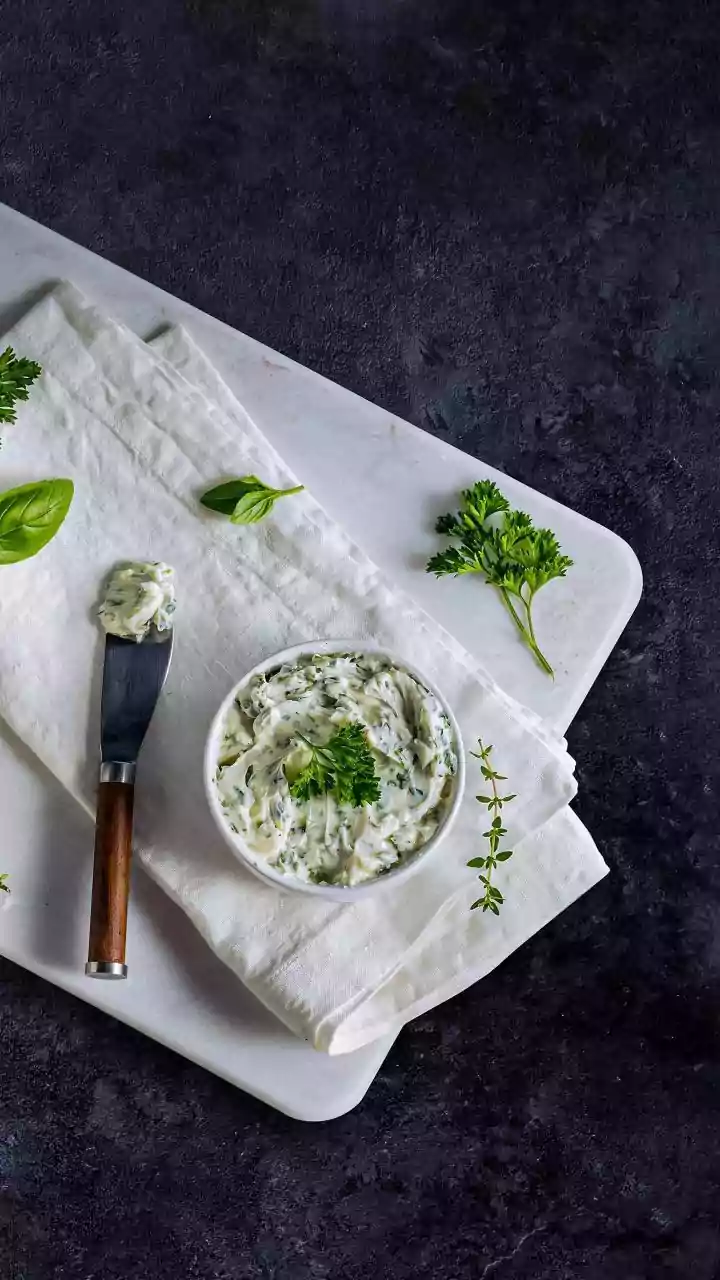
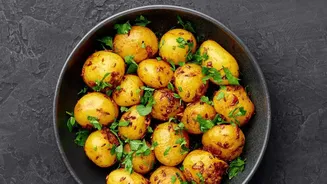
Perhaps the most visually stunning way to introduce acid is with a fresh, herb-based sauce. Sauces like Argentinian chimichurri and Italian salsa verde are perfect examples. Chimichurri, a piquant mixture of finely chopped parsley, garlic, olive oil, and red wine vinegar, offers a powerful, zesty kick. Drizzled over hot, crispy roasted potatoes, the bright green sauce provides a visual and flavourful contrast that is hard to resist. Similarly, Italian salsa verde, often made with parsley, capers, anchovies, garlic, and lemon juice, brings a briny, tangy complexity that beautifully complements the earthy potato. Tossing warm boiled or roasted potatoes in one of these sauces allows them to absorb all the bright flavours.
The Versatile Vinaigrette
Vinaigrettes are not just for leafy salads. A well-made vinaigrette can transform a potato dish, particularly in a warm potato salad where mayonnaise can sometimes feel too heavy. A classic lemon vinaigrette, made with good olive oil, fresh lemon juice, a touch of Dijon mustard, and maybe some fresh herbs, is a game-changer. The warmth of the just-boiled potatoes helps them soak up the zesty dressing, infusing every piece with flavour. You can use various vinegars, such as red wine, white wine, or apple cider vinegar, to create different flavour profiles. Adding ingredients like thinly sliced red onion or fresh herbs like dill and parsley further enhances the freshness.
Beyond Herbs: Exploring Other Acids
While herb sauces are a fantastic option, the world of acidic pairings is vast. Tomato-based sauces, with their natural acidity, are a classic partner for potatoes. Think of a Spanish 'patatas bravas' with its spicy tomato sauce. Even a good quality ketchup, with its blend of tomato, vinegar, and sugar, provides a tangy counterpoint to hot chips. Don't overlook yogurt-based sauces either. A simple mix of Greek yogurt, lemon juice, garlic, and fresh herbs like dill or mint creates a creamy yet tangy sauce that is wonderful with roasted or grilled potatoes. It provides both the cooling creaminess and the acidic brightness the dish needs.
Putting It All Together
The beauty of this concept is its simplicity and flexibility. There are no strict rules, only principles of balance. The next time you roast a tray of potatoes, toss them with a squeeze of lemon juice right out of the oven. Instead of sour cream on your baked potato, try a dollop of yogurt with chives. If you're making a potato gratin, a side salad with a sharp vinaigrette will make the entire meal feel more balanced. The visual element mentioned in the headline is key; the bright green of a chimichurri, the fresh red of a tomato salsa, or the specks of herbs in a vinaigrette make the dish look as exciting as it tastes, signalling freshness and flavour before you even take a bite.