




The Abode of the Gods
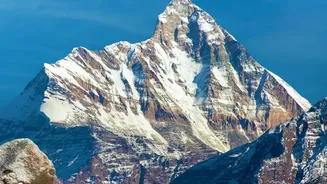
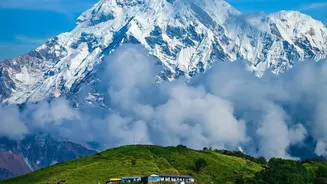
Standing tall at 6,001 metres in the Pir Panjal range, Deo Tibba is more than just a mountain; it's a site of deep mythological significance. The name itself translates to 'Hill of the Gods', as local belief holds that the dome-shaped peak is the celestial
assembly point for deities. This legend imbues the entire trek with a sense of wonder, offering a journey that feels both physically challenging and spiritually resonant. Unlike its more commercialised neighbours, the region around Deo Tibba retains a raw, untouched charm, providing a stark contrast to the heavily trodden paths of Manali's main tourist circuit. The peak itself is distinctive, not with a pointed summit, but a vast, flat snow dome that resembles an ice cap.
The Trek: A Journey Through Diverse Landscapes
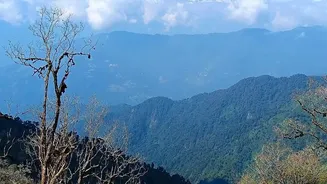
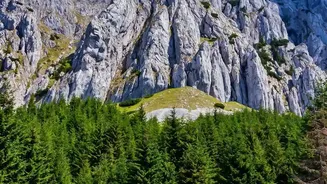
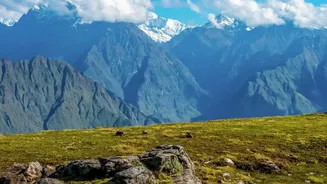
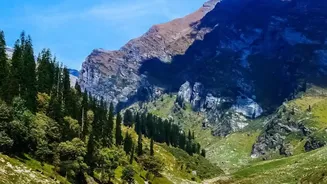
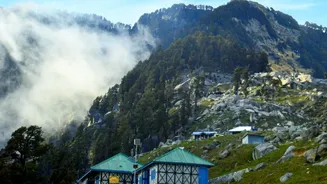
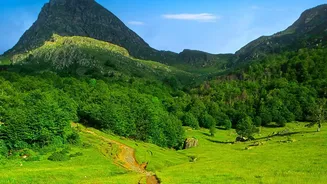
The trek to Deo Tibba base camp is a classic Himalayan adventure, typically spanning five to six days. It is considered a moderate trek, making it accessible for fit beginners and seasoned walkers alike. The journey begins from near Manali, often starting with a drive to Jagatsukh or the hamlet of Khanol. From there, the trail winds upwards through a rich tapestry of landscapes. The initial stretch takes you through dense forests of pine, oak, and deodar, with the gushing Jagatsukh stream as a constant companion. As you ascend, the forests give way to vast, open meadows. The campsite at Chikka is a popular first stop, before moving on to the stunning pasture of Seri, a once-glaciated lake that is now a meadow carpeted with vibrant wildflowers.
The Destination: Base Camp and Chota Chandratal
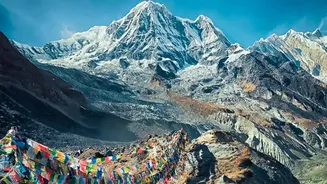
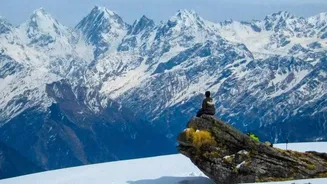
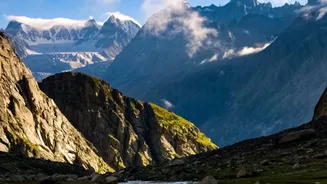
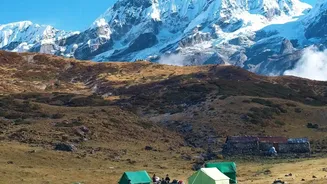
The reward for your efforts is the arrival at the Deo Tibba base camp, often located at a site called Tainta. From here, the views are simply breathtaking. The magnificent Deo Tibba peak and its massive hanging glaciers dominate the skyline, alongside its formidable neighbour, Indrasan. A key highlight of the trek is a side trip to the emerald waters of Chota Chandratal, a beautiful high-altitude lake situated near the base camp. This serene lake, reflecting the snowy peaks that surround it, is the perfect spot for quiet contemplation and soaking in the immense scale of the Himalayas. For most trekkers, this is the final destination, a truly spectacular climax to an unforgettable journey before beginning the descent.
Why Choose Deo Tibba?
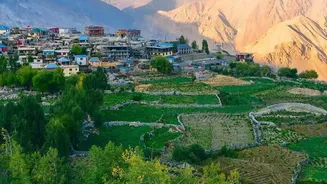
In an age of over-tourism, the Deo Tibba trek offers a precious sense of solitude. While the main attractions around Manali teem with crowds, this trail provides a genuine wilderness experience. It's an opportunity to disconnect and immerse yourself in the rhythms of the mountains. The journey is a physical challenge that rewards you with not just incredible vistas but also a profound sense of accomplishment. It’s a chance to witness the traditional life of the Gaddi shepherds, whose grazing pastures you will cross, and to experience a side of Himachal that remains pristine and largely untouched by commercialism. For those seeking adventure beyond the ordinary, Deo Tibba is an answer.
Planning Your Himalayan Escape
The best time to undertake the Deo Tibba trek is during the pre-monsoon (May to June) and post-monsoon (September to October) seasons, when the weather is stable and the views are clear. The trek is rated as moderate; however, good physical fitness is essential due to the high altitude, which reaches around 14,000 feet. It is highly recommended to go with a certified guide or a reputable trekking agency, who will handle logistics like camping equipment, food, and necessary permits from the forest department. Your packing list should include sturdy trekking shoes, layered clothing to handle fluctuating temperatures, a waterproof jacket, a good quality sleeping bag, and personal medical supplies.