






The Monsoon Magic in Jaipur
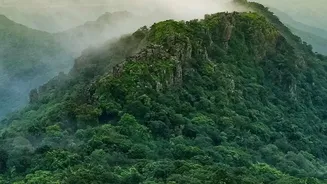
For nine months of the year, the hills surrounding Jaipur are dusty and sun-scorched. But from July to September, the landscape turns into a vibrant green paradise. This seasonal shift has given rise to a booming trekking culture. Trails like Hathni Kund,
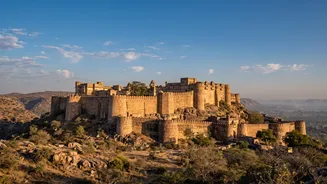
with its monsoon-fed waterfall, and Bhuteshwar Nath Mahadev, which winds through rugged terrain to an old temple, become magnets for city dwellers seeking a natural escape. Routes leading to historic forts like Nahargarh and Amer offer a unique blend of history and nature, with panoramic views of the city enveloped in mist. These treks, often short enough for a morning excursion, provide an accessible entry point into the beauty of the Aravallis, showcasing a side of Rajasthan many tourists miss.
A Blueprint for the Broader Aravallis?
The popularity of Jaipur's trails raises an important question: can this enthusiasm be scaled up to benefit the entire Aravalli range? Stretching nearly 700 kilometres across four states, the Aravallis are one of the world's oldest mountain ranges. Beyond Jaipur, areas like Mount Abu, Udaipur, and Sariska offer immense trekking potential. The informal, community-driven nature of Jaipur's trekking scene could serve as a model for low-impact eco-tourism. This approach focuses on authentic experiences, such as guided nature walks and community-led initiatives, rather than large-scale infrastructure. If managed correctly, trekking can provide local communities with sustainable livelihoods and create a network of advocates dedicated to preserving the hills.
A Fragile Ecological Heritage
The Aravalli range is more than just a scenic backdrop; it's a critical ecological barrier that prevents the Thar Desert from expanding into northern India. It influences regional climate patterns, recharges groundwater, and is a hotspot of biodiversity, home to species like leopards and a rich variety of birds. However, this ancient ecosystem is under severe threat from illegal mining, deforestation, and unchecked urbanisation. These activities have flattened entire sections of the hills, leading to increased dust pollution, rising local temperatures, and a severe water crisis. The very existence of the Aravallis is currently the subject of a Supreme Court-monitored debate over its legal definition and protection, highlighting the urgency of conservation efforts.
The Double-Edged Sword of Popularity
As Jaipur's trails become more popular, they also face the risk of degradation. Increased footfall can lead to soil erosion, littering, and disturbance to wildlife. Many of the most popular routes, like those to Papad ke Hanuman Ji and Kuntalgarh Fort, are isolated and lack basic facilities, putting the onus on trekkers to be responsible. The challenge, therefore, is to balance accessibility with conservation. Without proper guidelines and management, the love for these trails could inadvertently harm them. The experience in Jaipur serves as a microcosm of the dilemma facing the entire Aravalli range: how to encourage tourism that fosters appreciation for nature without destroying it in the process.
The Path to a Sustainable Future
Creating a sustainable future for Aravalli trails requires a conscious effort from all stakeholders. This includes promoting responsible trekking practices, such as sticking to marked paths and carrying out all waste. Rajasthan's 2021 eco-tourism policy already emphasizes low-impact activities and community involvement, providing a framework to build upon. Initiatives like community-run homestays and employing local guides can ensure that economic benefits flow directly to the people who live in and around the hills. Ultimately, the goal is to transform trekkers from mere consumers of scenery into active participants in conservation, creating a culture where exploring the Aravallis is synonymous with protecting them for generations to come.