





Identifying African Jasmine
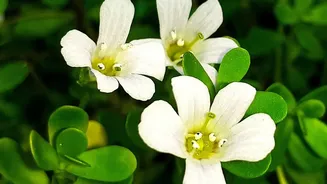
First, let’s clarify what we mean by 'African Jasmine'. This common name can refer to several species, but it's often linked to plants like Jasminum tortuosum, Jasminum angulare, or Jasminum multipartitum. These are typically climbing vines or shrubs
known for their glossy green leaves and delicate, star-shaped white flowers that release a captivating fragrance, especially in the evening. While they belong to the same family as the more common jasmine used in tea (Jasminum officinale or Jasminum sambac), they are distinct plants. It’s important to distinguish them from unrelated but similarly named toxic plants like 'Carolina Jessamine' (Gelsemium sempervirens), which is highly poisonous. True jasmine species from the Jasminum genus are generally considered non-toxic.
A History of Traditional Use
In its native regions of Africa, various parts of the jasmine plant have been used in traditional practices for centuries. Ethnobotanical records show that the leaves, roots, and flowers have been employed for a range of purposes. For instance, some traditional systems use leaf decoctions or poultices for skin conditions, to help heal wounds, or to reduce fevers. The flowers and their essential oils were prized not just for perfume but for their perceived calming and soothing properties. Other uses documented in folk medicine include addressing digestive issues, menstrual discomfort, and various aches and pains. These uses are rooted in generations of observation and cultural practice, forming the basis for many of the modern wellness claims we see today.
The Modern Wellness Narrative
Today, jasmine is widely promoted in the wellness world for a host of benefits. The claims often revolve around stress reduction, improved sleep, antioxidant power, and skincare miracles. Jasmine tea, usually made by infusing green or white tea leaves with the aroma of jasmine flowers, is lauded for being rich in antioxidants that fight cellular damage. Its aroma is credited with having a calming effect on the nervous system, making it a popular aid for anxiety and insomnia. In cosmetics, jasmine extracts are featured in products promising to hydrate skin, reduce signs of aging, and even fight acne due to purported antibacterial properties. But how many of these claims are supported by solid evidence?
Aroma vs. Ingestion: The Stress Claim
There is some science behind jasmine's relaxing reputation, but the context is crucial. Studies have shown that inhaling the aroma of jasmine—specifically a compound called linalool—can have a calming effect on the nervous system, helping to lower heart rate and improve mood. In this sense, using jasmine essential oil in a diffuser or simply enjoying the fragrance of the plant in your garden can genuinely contribute to a more relaxed state. However, this is very different from ingesting a plant part or a tea and expecting a direct sedative or anti-anxiety effect. The evidence for jasmine as an ingested treatment for anxiety or relaxation is rated as insufficient. The calming effect is primarily an aromatherapeutic experience.
The Truth About Jasmine Tea
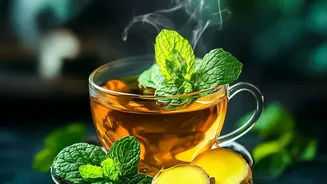
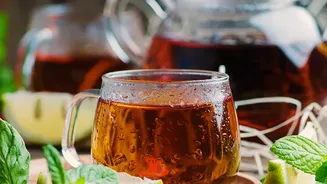
Many of the powerful health benefits attributed to jasmine tea, such as antioxidant content and metabolic support, actually come from the tea leaves themselves—usually green tea—and not from the jasmine blossoms. Green tea is rich in powerful antioxidants called catechins, particularly EGCG, which have been linked to reduced risk of heart disease and improved metabolic health. The jasmine flowers primarily provide the aroma and a small number of their own compounds. So, while jasmine green tea is a healthy beverage, its primary antioxidant and disease-fighting properties are those of green tea. Drinking it is beneficial, but it's important to give credit to the right ingredient.
The Limits of Unproven Claims
This brings us to the crucial limit of many health claims. For many purported benefits—such as treating liver problems, acting as an aphrodisiac, or fighting cancer—there is insufficient scientific evidence. While jasmine possesses some antibacterial and anti-inflammatory properties in lab settings, this doesn't automatically translate to effective and safe treatment in humans. The term 'natural' does not mean 'proven' or 'risk-free'. Most jasmine species are safe in food amounts, but the safety of using them in medicinal quantities is largely unknown and could cause allergic reactions in some individuals.