




The head of the world’s leading energy watchdog has issued a stark warning. Fatih Birol of the International Energy Agency (IEA) says the world is facing a new kind of energy supply challenge that could have major consequences for every nation.
The Messenger and the Message
The International
Energy Agency, or IEA, is the world's most authoritative source for energy analysis, advising governments on policy. Its executive director, Fatih Birol, recently made waves at Singapore International Energy Week with a clear message: the era of stable energy markets is over for now, and a new threat to energy security is emerging. Birol has stated that geopolitical turmoil is casting a 'dark and long shadow' over the energy sector, unlike anything seen before. He warned that he does not see market conditions returning to pre-crisis levels in 2027, urging governments and businesses to prioritise energy security above all else.
The Fossil Fuel Squeeze
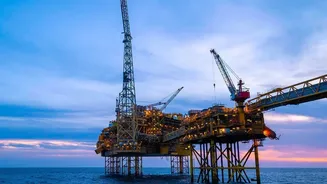
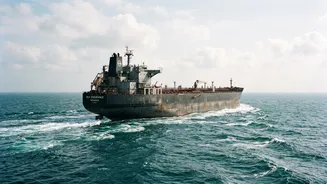
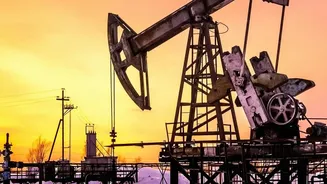
A major part of the warning centres on traditional energy sources. Geopolitical conflicts have severely disrupted oil and gas flows, pushing prices to near-record highs. Birol has highlighted that this is creating major trade deficits for many import-dependent countries. There's particular concern about the winter supply of diesel, a crucial fuel for transport and heating, with refineries undergoing maintenance just as demand is set to climb. The IEA does not expect this supply tightness for key fuels to ease significantly before the second half of 2027, creating a prolonged period of high costs and volatility for consumers and industries worldwide.
A New Kind of Supply Chain Risk
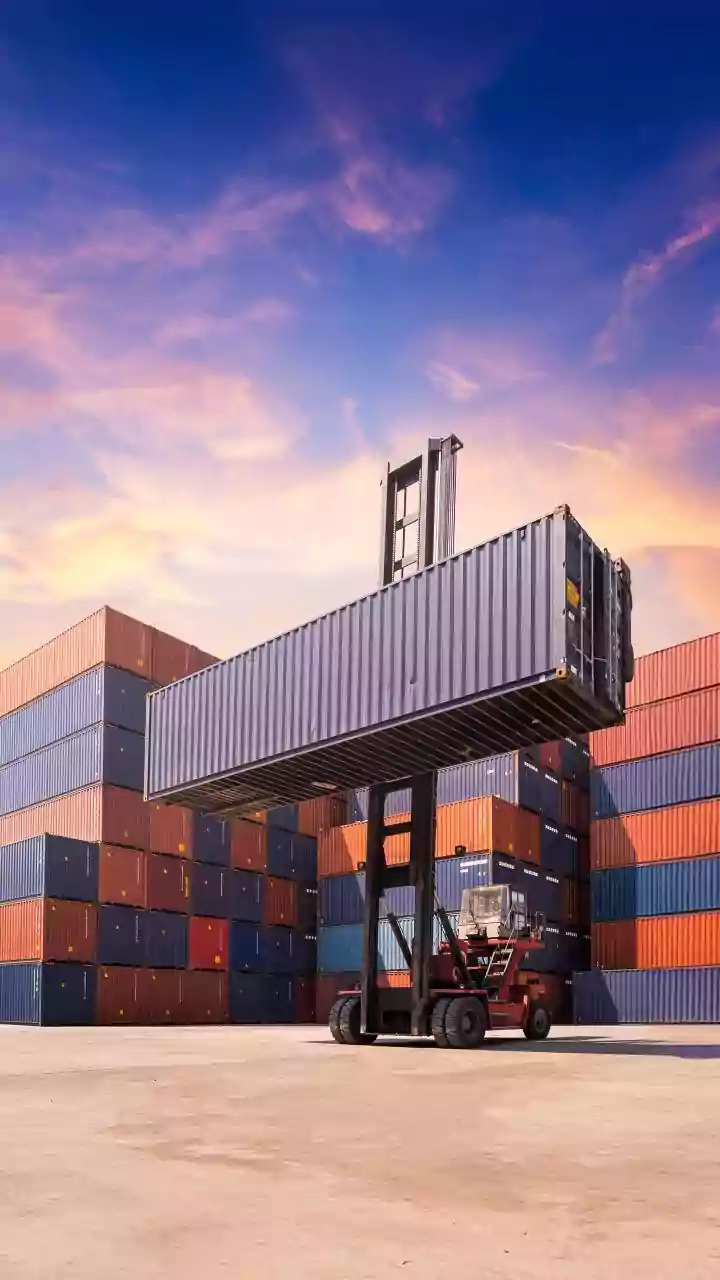
Beyond oil and gas, Birol has flagged a new vulnerability in the race towards green energy. While the world is shifting to electricity, powered increasingly by renewables, the supply chains for this technology are highly concentrated. China dominates the manufacturing of solar panels, wind turbines, and batteries. This heavy reliance on a small number of countries for critical clean energy components creates a new kind of energy security risk. Any trade tensions, logistical snags, or geopolitical friction could disrupt the supply of the very technologies needed to transition away from volatile fossil fuels.
What This Means for India
For India, these warnings are critical. As a major importer of fossil fuels, sustained high oil prices directly impact the nation's import bill, stoke inflation, and can slow economic growth. The IEA notes that India's fossil fuel import bill is projected to triple by 2040 under current policies. At the same time, India is making a huge push for renewables and electric vehicles. The concentration of clean energy manufacturing in China presents a strategic challenge. India has an opportunity to become a manufacturing hub itself, but currently remains dependent on imports for key components. Furthermore, as India's electricity demand grows—driven by rising incomes and the need for air conditioning—the reliability of the power grid becomes paramount. Any disruption, whether from fossil fuel markets or clean tech supply chains, poses a direct threat to the nation's energy security and development goals.
The Path Forward: Diversification and Investment
The IEA's assessment is not just a warning; it's a call to action. Birol stresses that the solution lies in diversification and accelerated investment. This includes boosting homegrown clean energy sources like solar and wind to reduce reliance on fuel imports. Interestingly, Birol also predicts a 'strong comeback' for nuclear power as countries seek reliable, domestic sources of electricity. For the clean energy transition, the IEA's warning implies a need for countries like India to build up their own manufacturing capabilities to de_risk their supply chains. Finally, the IEA consistently highlights energy efficiency as a crucial tool. Using energy more wisely, for example through more efficient air conditioners, can reduce strain on power grids and lower import needs, providing a buffer against global shocks.