


Your Grocery Bill Tells a Global Story
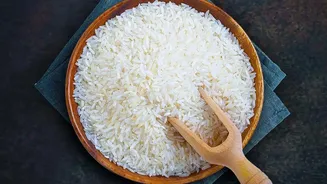
It’s not just your imagination; rice prices have been climbing. Recent data from September 2026 shows that both basmati and non-basmati varieties have seen significant price hikes over the past year. Popular non-basmati rice like Sona Masoori has jumped
from around ₹52 per kg to over ₹63, while basmati now hovers near the ₹100 per kg mark in many places. This surge is contributing to broader food inflation, which rose to 5.66% in August 2026, putting a strain on household budgets across the nation. While it's easy to see this as a simple case of domestic supply and demand, the truth is that the price on your local grocer's shelf is connected to a complex chain of international events and local pressures.
The 'Conflict' Isn't Just a Headline
When we hear 'conflict', we often think of distant wars, but for commodity markets, conflict means disruption. The ongoing US-Iran tensions have had a direct impact on Indian rice prices. Fearing supply chain instability and seeking to ensure their own food security, countries, especially in the Gulf region, have started buying and stockpiling rice aggressively. This sudden spike in international demand for Indian rice pulls on our domestic supply, pushing prices up for everyone. It's a classic case of global anxiety creating local price pain. Experts note this isn't just a short-term blip; it reflects a broader trend where geopolitical instability translates into higher costs for essential goods.
India's Delicate Balancing Act
The Indian government walks a tightrope. On one hand, it needs to ensure farmers get a fair price and that our massive agricultural export economy thrives. On the other, it must keep prices stable for over a billion consumers at home. To manage this, Delhi uses various policy tools. In early 2026, concerns over rising domestic prices and crop damage from heavy rains led the government to impose a ban on the export of non-basmati white rice, effectively halving shipments from the world's largest rice exporter. These protectionist measures aim to increase availability within India and cool down prices. However, government actions also contribute to price firmness. Procurement for the public distribution system (PDS) adds another layer of demand, particularly for non-basmati rice, as seen in states like Telangana. This creates a constant tension between insulating the domestic market and participating in the global one.
The Weather Wildcard: Monsoons and Climate Change
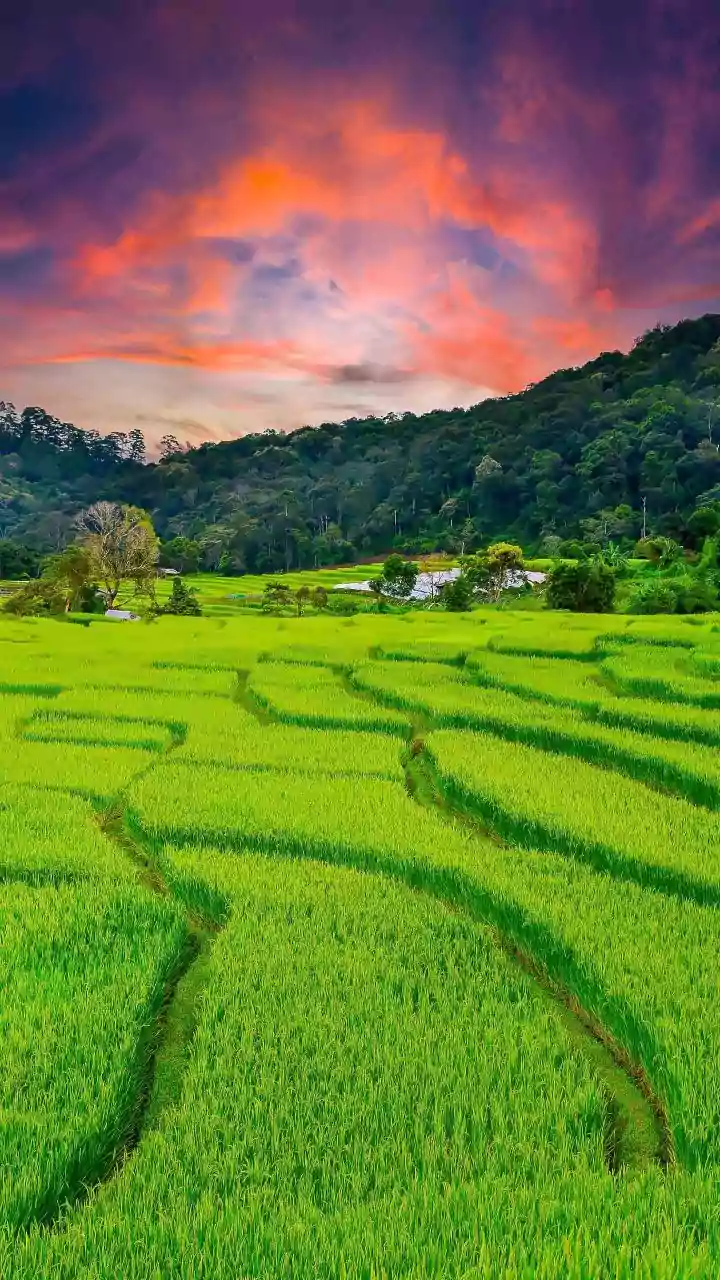
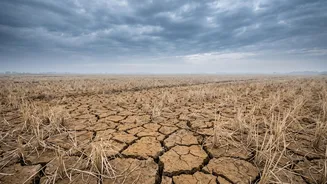
Policy and geopolitics aside, the oldest factor in farming remains the most unpredictable: the weather. Deficient monsoon rainfall in 2026 has been a major cause for concern, particularly in the rice-producing southern states of Andhra Pradesh, Karnataka, and Telangana. Below-average rainfall in August and September has led to worries about the Kharif crop's output, tightening supplies even before the harvest. This seasonal squeeze between the end of one crop cycle and the beginning of the next is a regular occurrence, but it is made worse by poor rains. The impact of El Niño weather patterns is a recurring theme, causing droughts that affect harvests across Asia and contribute to global price volatility. These climate-related risks are no longer distant threats; they are actively shaping the availability and cost of our staple foods.