







The Zero-Gravity Dining Challenge
Eating in space is nothing like dining on Earth. In a microgravity environment, simple things become complex hazards. Crumbs don't fall; they float, posing a risk to sensitive equipment and air filters. Liquids can spill and disperse into floating globules,
potentially causing short circuits. Furthermore, life in orbit alters human physiology. Astronauts often experience a sensation similar to a blocked nose, which dulls their sense of taste and smell, making flavorful and even spicy food more desirable. Beyond taste, the food must meet strict nutritional requirements to counteract the effects of space, like bone and muscle loss, requiring carefully calculated caloric, sodium, and vitamin intake. It must also be lightweight, compact, and have a shelf life of at least a year without refrigeration.
Mysuru's Space-Age Kitchen
The primary responsibility for creating this out-of-this-world menu falls to the Defence Food Research Laboratory (DFRL) in Mysuru. A wing of the Defence Research and Development Organisation (DRDO), DFRL has decades of experience developing specialized food for Indian soldiers operating in extreme environments, from high-altitude posts to Antarctic expeditions. This expertise forms the foundation for their work on space food. For the Gaganyaan mission, scientists at DFRL have been tasked with adapting familiar Indian cuisine to meet the incredibly strict parameters of space travel. More recently, the ICMR-National Institute of Nutrition in Hyderabad has also begun developing specialized items, signaling a widening national effort.
From Pulao to Pouch
The process of making a dish like vegetable biryani or moong dal halwa space-ready is a masterclass in food science. It begins with selecting dishes that are culturally significant and can be technologically adapted. Bread, for example, is generally avoided because it creates crumbs. Instead, scientists focus on meals like khichdi, idli, and various curries. The core technology used is often retort processing or dehydration. Foods are prepared and then heated in their pouches to a high temperature to ensure they are sterile and shelf-stable. For items like idli, a process involving infrared radiation to dehydrate the cakes has been developed, with the accompanying sambar turned into a powder that can be rehydrated with water in space. Every dish is engineered to be low-fragmentation, meaning it holds together to prevent floating particles.
A Taste of Home, 400 Kilometres Up
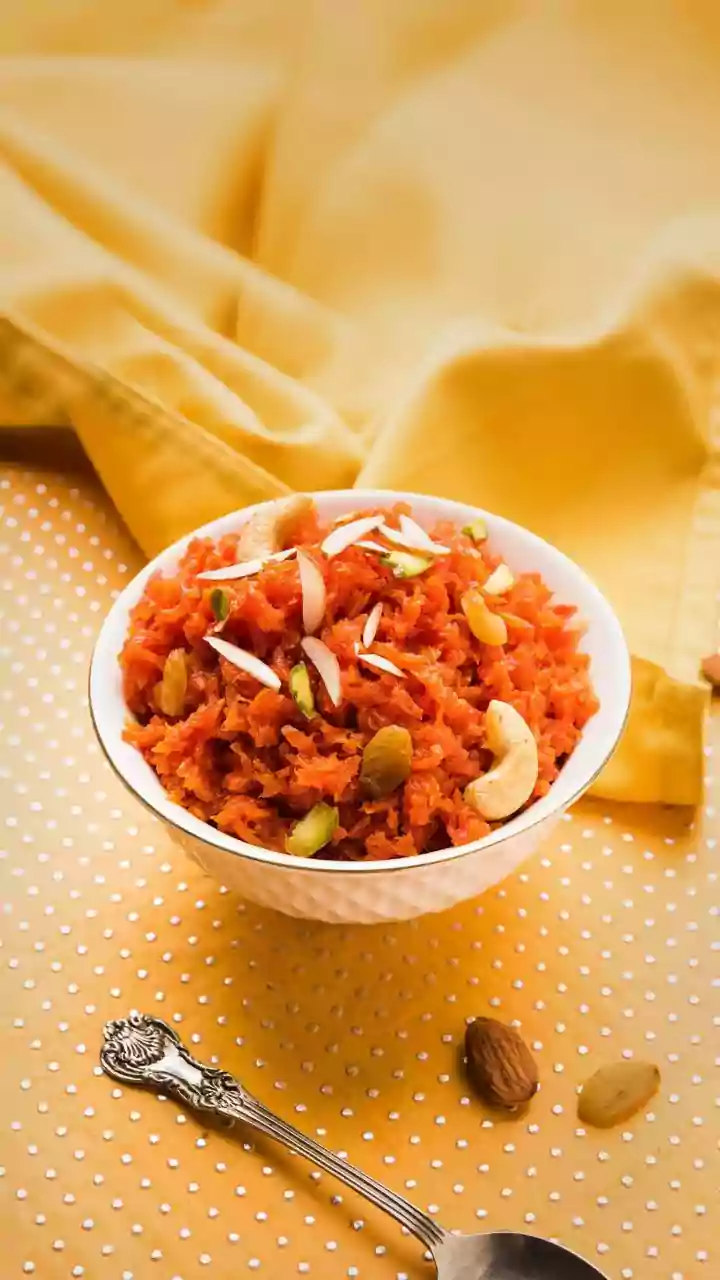
The psychological benefit of familiar food for astronauts far from home cannot be overstated. The menu developed for India's space missions is a testament to this, featuring a diverse range of over 30 dishes designed to provide comfort and a connection to home. The list includes breakfast items like idli-sambar and upma; main courses such as vegetable pulao, chicken biryani, and chapatis with dal or korma; and desserts like moong dal halwa and gajar ka halwa. Special containers and food warmers are also developed to make the dining experience as normal as possible. While the food is generally mildly spiced, astronauts are provided with optional spice sachets to adjust the flavor to their liking, catering to the altered sense of taste in orbit.
The Ultimate Quality Check
Before any dish is cleared for flight, it undergoes months of rigorous testing. These trials ensure the food remains safe, nutritious, and palatable after being stored for a year or more. Scientists test the food's stability to withstand the intense vibrations of a rocket launch. However, the challenges are immense. As astronaut Shubhanshu Shukla revealed after a mission to the ISS, the extensive qualification process is incredibly time-consuming. Of a wide menu proposed for one mission, only three items—gajar ka halwa, moong dal ka halwa, and aamras—could clear all the necessary checks in the limited time available. This experience provides crucial lessons for DFRL and other labs as they continue to refine a wider menu for the Gaganyaan crew, ensuring every meal is not just a source of nutrition, but a safe and comforting reminder of home.