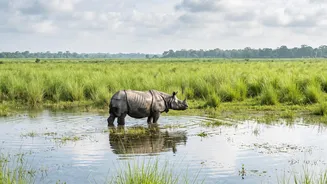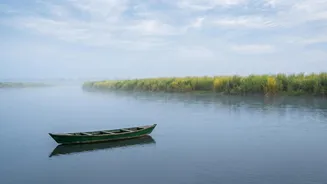


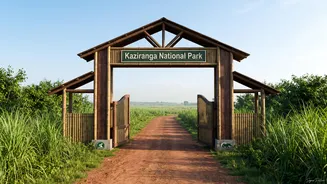
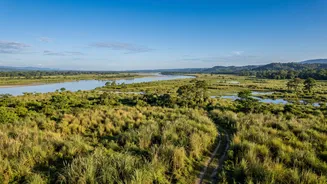

Home to the great one-horned rhinoceros, Kaziranga National Park is a UNESCO World Heritage site offering an unparalleled wildlife experience. After its annual monsoon closure, the park is reopening, and this guide has all you need to know.
The 2026-27 Season Is Here
Good news for
wildlife enthusiasts: Kaziranga National Park and Tiger Reserve officially reopened for the 2026-27 tourist season on October 3, 2026. Following the long monsoon break, the park is once again welcoming visitors. The reopening is happening in phases. Jeep safaris in the popular Kohora (Central) and Bagori (Western) ranges began on the opening day. Other ranges are expected to open progressively as access roads become fully prepared. The tourist season typically runs from October until May, with the park remaining closed during the monsoon months due to flooding from the Brahmaputra River.
Choosing Your Safari: Jeep vs. Elephant
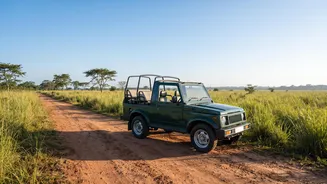
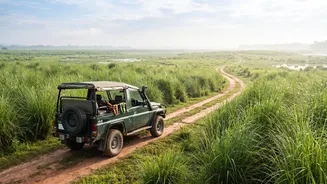
Kaziranga offers two distinct safari experiences. The most common is the jeep safari, which allows you to cover more ground across the park's diverse terrain. Jeeps can carry multiple passengers and are ideal for exploring the different ranges in depth. The other, more intimate option is the elephant safari. These rides offer a unique, elevated perspective and can often get you closer to wildlife, especially in the grasslands. However, elephant safaris operate on a more limited schedule, usually very early in the morning, and are only available in the Central and Western zones. For the current 2026-27 season, elephant safaris are expected to resume by mid-to-late October, pending final preparations.
Safari Timings: Plan Your Day
Jeep safaris in Kaziranga operate in two daily slots. The morning safari typically runs from 7:30 AM to 10:00 AM, a prime time for spotting active wildlife. The afternoon safari is scheduled from 1:30 PM to 3:00 PM. Each jeep safari lasts for about two to two-and-a-half hours. Elephant safaris, when operational, are an early morning affair, usually conducted in two one-hour slots between 5:00 AM and 7:00 AM, which is when animals are most active at the start of the day.
The Central Range: Kohora
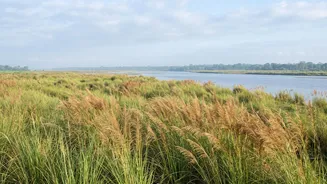
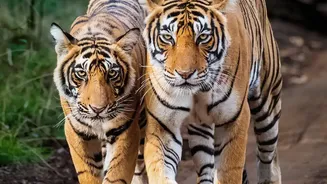
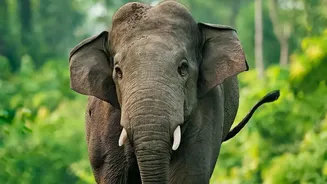
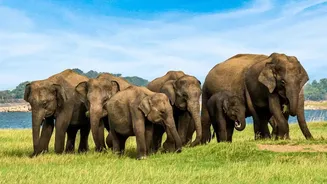
The Kohora, or Central Range, is often the most popular starting point for visitors, especially first-timers. It offers a quintessential Kaziranga experience with a balanced mix of grasslands, wetlands, and forests. This range is known for its high density of one-horned rhinos, wild elephants, and swamp deer. Its accessibility and the high probability of wildlife sightings make it a reliable choice for both jeep and elephant safaris. Some guides also suggest that the early morning safaris in Kohora offer the best, albeit slim, chance of spotting a well-hidden tiger.
The Western Range: Bagori
For those whose primary goal is to see rhinos up close, the Bagori or Western Range is often considered the best bet. The landscape here is characterized by expansive grasslands and numerous water bodies, which attract large herbivores in significant numbers. This zone is particularly famous for rhino and wild water buffalo sightings. It is also a fantastic area for elephant-back safaris, which allow for exceptionally close encounters with wildlife grazing in the tall grasses.
The Eastern Range: Agoratoli
Birdwatchers should set their sights on the Agoratoli, or Eastern Range. This zone is distinguished by its vast water bodies and is a haven for a wide variety of resident and migratory birds, including the Greater Adjutant Stork and various fishing eagles. While it is farther out than the other ranges, it offers a more serene experience. Boat safaris are also an option in this range, providing a unique way to see the park's aquatic life and bird species. Jeep safaris are the primary mode of exploration here.
The Burapahar Range: Ghorakati
For a more offbeat adventure, the Burapahar Range offers a different kind of Kaziranga experience. With its hilly terrain and dense forests, it feels distinct from the park's famous grasslands. This is the best place to spot the hoolock gibbon, India's only ape, as well as various species of langurs. The Burapahar Range is also suitable for trekking, offering guided walks along designated trails for those who want to experience the forest on foot.
Booking Your Safari Adventure
It is highly recommended to book your safaris in advance, especially during the peak season from November to April. Bookings can often be made online through official portals or arranged by your hotel or resort. On-the-spot booking is sometimes possible at the range offices, but availability is not guaranteed. Booking through your accommodation can be a hassle-free option, as they often handle the vehicle and permit arrangements for you. Remember that private vehicles are not permitted inside the park; you must use a registered safari jeep.