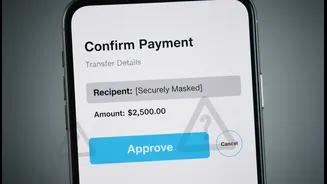








The Rise of Digital Payment Scams
India's digital payment ecosystem, from UPI to credit and debit cards, has made life incredibly convenient. However, this boom has also attracted fraudsters who exploit the speed and simplicity of these systems. Scams involving fake payment requests,
malicious QR codes, and impersonation are becoming increasingly common. The core of these frauds often lies in social engineering—tricking you into authorising a payment to a criminal's account. Scammers know that people are often in a hurry and may not double-check the details before approving a transaction. They create a sense of urgency or offer an unbelievable deal to rush you into making a mistake.
Common Scams and How They Work
Understanding a scammer's playbook is your first line of defence. One prevalent method in India is the QR code scam. A fraudster might send you a QR code, claiming you need to scan it to receive money. In reality, scanning the code and entering your PIN authorises a payment from your account. Another tactic is phishing, where you receive a link via email or SMS that leads to a fake website mimicking a legitimate payment gateway or bank portal. You might be asked to enter your card details and OTP to claim a refund or avail a special offer, but this information goes directly to the scammer. Impersonation is also a major threat, with criminals posing as bank employees or customer service agents to coax you into revealing sensitive details like your PIN or CVV.
Your Pre-Approval Checklist
Before you approve any transaction, especially one initiated through a link or a QR code from an unknown source, run through this mental checklist: 1. Verify the Recipient's Name: When you are about to make a UPI or card payment, the system will often display the legal name of the account holder. Does this name match the person or business you intend to pay? If there is a mismatch, stop the transaction. Visa itself offers services like Account Name Inquiry (ANI) to merchants to help verify that the cardholder's name matches the bank's records, highlighting the importance of this step. 2. Check the Amount: Carefully look at the amount being debited. Scammers sometimes rely on you not noticing an extra zero or a different figure than what was agreed upon. 3. Are You Paying or Receiving? This is critical for UPI payments. Remember, you never need to enter your PIN to receive money. If someone asks you to scan a QR code or approve a request to get paid, it is a scam. 4. Examine the URL: For online payments, look closely at the website address. Scammers often use URLs that are very similar to legitimate sites but may have a small spelling error or a different domain extension (e.g., .net instead of .co.in).
Beyond the Name: Additional Checks
While the recipient's name is a key checkpoint, other details can also reveal a fraud. For merchant payments, check for a professional-looking website and legitimate contact details. Be wary of deals that seem too good to be true. When using your Visa card online, the requirement for a two-factor authentication process, often an OTP sent to your phone, is a crucial security layer mandated by the RBI. This is your final chance to review the transaction details—the merchant's name and the amount—before giving your final approval. Never share this OTP with anyone. Banks and legitimate companies will never ask you for it.
What to Do If You Become a Victim
If you suspect you've been tricked into making a fraudulent payment, time is of the essence. The first few hours are critical for any chance of recovering your funds. 1. Call the National Cyber Crime Helpline: Immediately dial 1930. This service is designed to flag the fraudulent transaction with the concerned bank, which can help freeze the money in the scammer's account before it's moved. 2. Contact Your Bank: Simultaneously, call your bank's official fraud reporting helpline. Inform them about the transaction, request to block your card or account, and get a complaint reference number. 3. File an Official Complaint: Go to the National Cyber Crime Reporting Portal (cybercrime.gov.in) and file a formal complaint, uploading any evidence you have, such as screenshots and transaction IDs. This creates an official record and initiates a police investigation.