





A New Scale of Attack
The skies over Ukraine are witnessing a significant change in Russian aerial tactics. Moscow has moved beyond sporadic drone launches to deploying coordinated, massed swarms designed for saturation. Recent attacks have involved waves of over a hundred
one-way attack (OWA) drones, often combined with cruise and ballistic missiles. For instance, one overnight attack in early August 2026 saw Russia launch 115 drones alongside dozens of missiles. This represents a shift toward what military analysts call saturation attacks: using sheer volume to overwhelm and exhaust Ukraine's defensive capabilities. The strategy is not just about increasing the number of drones, but coordinating them in waves to identify and penetrate gaps in air defence coverage.
The Strain on Air Defences
This new tactic puts immense pressure on Ukraine's air defence network. While Ukraine has become highly effective at downing Russian drones, with interception rates sometimes exceeding 90 percent, the cost exchange is a major issue. Defenders are forced to use expensive interceptor missiles, often from systems like the Patriot, against relatively cheap drones. A large swarm can deplete a region's limited stock of these critical interceptors, leaving it vulnerable to the more dangerous and harder-to-stop ballistic missiles that often follow the drone wave. President Volodymyr Zelenskyy has highlighted the severe shortage of air defence missiles, noting that supplies from allies have dwindled, creating a dangerous vulnerability. The goal for Russia is clear: to exhaust Ukraine's finite defensive resources and create openings for devastating strikes.
Russia's Strategic Objectives
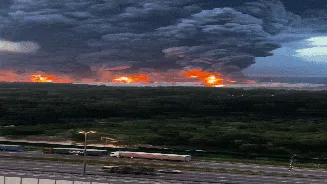
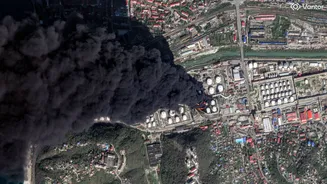
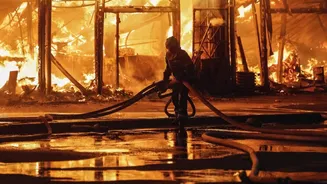
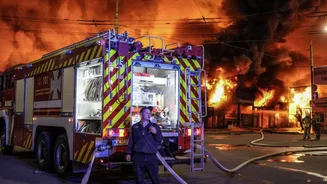
The intensified drone campaign serves several of Russia's strategic goals. Primarily, it aims to cripple Ukraine's energy infrastructure ahead of winter, a tactic Moscow has repeatedly employed. By hitting power plants, storage facilities, and industrial sites, Russia seeks to break civilian morale and disrupt Ukraine's defence manufacturing. Recent strikes have damaged warehouses, caused ammonia leaks, and cut power to millions. Furthermore, these constant aerial bombardments are a campaign of terror, intended to demonstrate that no part of the country is safe. To formalize this focus, President Vladimir Putin recently appointed a commander to head a newly established branch of the military dedicated to drone warfare, signaling the tactic's long-term importance to Moscow's strategy.
Ukraine's Race to Adapt
In response, Ukraine is in a constant race to innovate and adapt. It has leaned heavily on mobile fire groups, which are credited with intercepting a majority of Russian drones in recent months. These agile units use a mix of machine guns, portable missiles, and even their own interceptor drones to counter the threat in a more cost-effective manner. Ukraine has also become a world leader in drone technology itself, developing its own long-range drones to strike back at targets deep inside Russia, including military bases and oil refineries. However, the core of the problem remains the shortage of advanced air defence systems and interceptors needed to counter ballistic missiles. Kyiv continues to urgently appeal to its Western partners for more Patriot systems and other critical assets to close this dangerous gap in its defences.