







More Than Just a Winter Cough
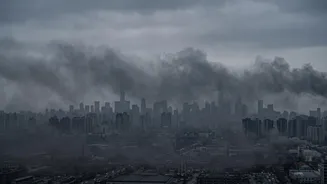
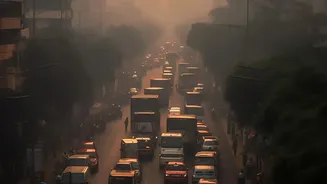
Every year, as winter approaches, the air quality in the National Capital Region plummets. We treat the physical reactions—a scratchy throat, irritated eyes, a persistent cough—as the main event. Medical experts, however, see these as just the opening
act. These symptoms are not the illness itself; they are merely the body's first alert system signalling an invasion. Thinking that the danger passes once the cough subsides is a critical mistake. The real damage from repeated exposure to toxic air is far more insidious, cumulative, and often silent, happening deep within our cells and organs long after the initial irritation fades.
The Invisible Invasion of PM2.5
The chief villain in this story is particulate matter, specifically PM2.5—particles so fine they are 30 times smaller than a single human hair. When inhaled, they don't just stop in the lungs. Their microscopic size allows them to bypass the body’s natural defences, enter the bloodstream, and circulate throughout the entire body. This is where the true diagnosis begins. These particles act like tiny assailants, triggering inflammation, oxidative stress (a process that damages cells), and an immune system response not just in the lungs, but system-wide. The body is put on a constant, low-grade state of high alert, which over time, can lead to the foundation of chronic diseases.
A System-Wide Health Crisis
Once in the bloodstream, PM2.5 can wreak havoc on nearly every major organ. For the cardiovascular system, this chronic inflammation can harden arteries, increase blood pressure, and raise the risk of heart attacks and strokes. The World Health Organization has strongly linked long-term air pollution exposure to ischemic heart disease and stroke. But it doesn't stop there. Emerging research points to disturbing connections between toxic air and other systemic issues. Studies are now exploring links to Type 2 diabetes, neurological disorders, and even certain types of cancer beyond the lungs, including gastrointestinal and gynaecological cancers, as pollutants cause systemic biological effects. The damage is not confined to one area; it's a full-body assault.
A Debt Carried by Our Children
The most vulnerable residents in this crisis are children. Because their lungs are still developing and they breathe more rapidly than adults, they inhale a proportionally larger volume of pollutants. This exposure doesn't just cause temporary illness; it can permanently impair lung development, reduce lung capacity, and increase the lifetime risk of chronic respiratory diseases like asthma. Studies have found that children living in highly polluted areas like Delhi may suffer from irreversible lung damage. The annual bout of smog is not just a few bad weeks for them; it's a developmental setback with lifelong consequences.
From Symptoms to Solutions
Understanding that a cough is a signal, not the whole story, is the first step toward grasping the true scale of the public health emergency. The symptoms we feel are the tip of the iceberg, warning of a much larger, hidden danger. This perspective shifts the focus from simply buying air purifiers and wearing masks to demanding comprehensive, long-term solutions that tackle pollution at its source. While individual protective measures are necessary for survival, they do not address the root cause. The fight against smog is not about managing seasonal discomfort; it's about preventing a wave of chronic, life-threatening diseases for an entire generation. Moving away from the region may reduce ongoing exposure, but it may not fully reverse the damage already done by years of breathing toxic air.