




The Golden Rule: Always Patch-Test
Just because an ingredient is natural doesn't mean it's suitable for your skin. Things like lemon, cinnamon, and even some essential oils can be potent and may disrupt your skin's protective barrier, leading to redness, dryness, or irritation. A patch
test is your best friend in DIY skincare. Before applying any new mixture to your face, apply a small amount to a discreet area, like behind your ear or on your inner elbow. Wait 24 hours. If you notice any itching, burning, redness, or swelling, that pack is not for you. This simple step helps prevent a full-face reaction and keeps your skincare journey safe and enjoyable.
1. The Turmeric & Besan Glow-Getter
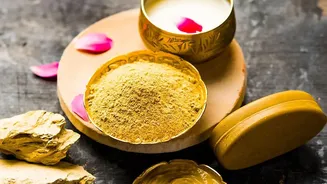
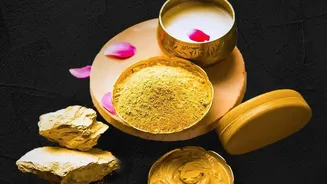
A classic in Indian households, this pack is celebrated for its brightening and anti-inflammatory properties. Mix one teaspoon of turmeric (haldi) with two tablespoons of gram flour (besan) and enough milk or yogurt to form a paste. Turmeric contains curcumin, which has antioxidant and anti-inflammatory benefits that may help with acne and lend a temporary glow. Besan acts as a gentle cleanser. Why use it sparingly: Turmeric is highly pigmented and can leave a temporary yellow stain on the skin, especially on lighter skin tones. More importantly, it can cause contact dermatitis or irritation in sensitive individuals. Never use it on broken or already irritated skin.
2. The Sandalwood & Rose Water Soother
Sandalwood (chandan) is prized in Ayurveda for its cooling and calming properties, making it a go-to for irritated or acne-prone skin. Mix one tablespoon of pure sandalwood powder with enough rose water to create a smooth paste. This combination aims to soothe redness, balance oil, and provide a calming sensation. Why use it sparingly: Overuse of sandalwood can strip the skin of its natural oils, leading to excessive dryness. The quality of the powder also matters immensely; ensure it's pure and free from synthetic additives. Some people may experience mild irritation or allergic reactions, so a patch test is non-negotiable.
3. The Multani Mitti Deep Cleanse
Multani mitti, or Fuller's Earth, is a mineral-rich clay famed for its incredible ability to absorb excess oil and impurities. It's fantastic for those with oily and acne-prone skin, helping to unclog pores and reduce shine. Mix two tablespoons of Multani mitti with rose water to form a paste and apply an even layer. Why use it sparingly: This is a powerful absorbent. If you have dry or combination skin, it can be extremely drying and lead to flakiness and irritation. It should be used at most once or twice a week, even on oily skin, and never be allowed to dry completely and crack on the face.
4. The Honey & Lemon Brightener
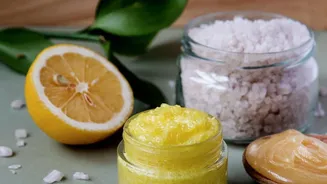
This is one of the most popular yet riskiest DIY packs. The idea is to mix honey, a natural humectant and antibacterial agent, with lemon juice, which contains citric acid for brightening. While honey is generally soothing, lemon is the problem child here. Why use it sparingly: Direct application of lemon juice is strongly discouraged by dermatologists. Its high acidity (a pH of around 2) can severely disrupt your skin's natural pH of 4.5-5.5, damaging the skin barrier. This can cause burns, peeling, and redness. Furthermore, compounds in lemon juice can cause phytophotodermatitis, a serious chemical burn that occurs when the treated skin is exposed to sunlight.
5. The Yogurt & Oatmeal Exfoliator
This pack offers gentle exfoliation and soothing hydration. Yogurt contains lactic acid, a mild alpha-hydroxy acid (AHA) that helps dissolve dead skin cells. Oatmeal is a well-known calming agent that can reduce redness and inflammation. Finely grind two tablespoons of oats and mix with two tablespoons of plain, unsweetened yogurt to form a paste. Why use it sparingly: Even gentle exfoliation can be overdone. Using this mask too frequently can lead to a compromised skin barrier. For those with a sensitivity to dairy products, applying yogurt topically can sometimes trigger irritation. Always use plain, full-fat yogurt without added sugars.
6. The Aloe Vera & Cucumber Cooler
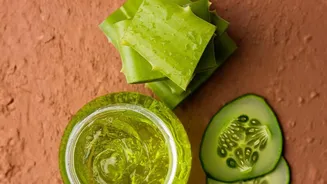
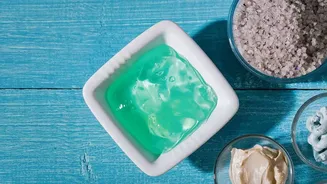
Perfect for calming sun-exposed or inflamed skin, this pack is all about hydration and soothing. Blend fresh cucumber with pure aloe vera gel to create a refreshing, watery mask. Aloe has anti-inflammatory properties, and cucumber provides a cooling effect. Why use it sparingly: While often seen as a universal soother, aloe vera can cause allergic reactions in some people, leading to redness, itching, or a rash known as contact dermatitis. This is especially true for those allergic to plants in the Liliaceae family, like onions and garlic. Always use pure, harvested gel or a product with minimal additives, and patch-test first.
7. The Papaya Enzyme Refresher
Ripe papaya contains an enzyme called papain, which acts as a natural exfoliant to break down the proteins holding dead skin cells together. Mashing a few pieces of ripe papaya into a pulp creates a mask that can leave skin looking brighter and smoother. Why use it sparingly: The enzymes and alpha-hydroxy acids (AHAs) in papaya, while effective, can be irritating for those with sensitive skin. You might feel a slight tingling, but if it turns into burning, rinse it off immediately. Overuse can lead to dryness and sensitivity. It’s best to use this mask for a short duration, around 10-15 minutes, and not more than once a week.