





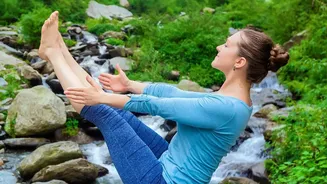

A Synergy of Strength and Flexibility
At first glance, trekking and yoga might seem like they occupy opposite ends of the fitness spectrum. Trekking is a demanding cardiovascular activity that builds endurance and leg strength, challenging the body over uneven terrain and long distances.
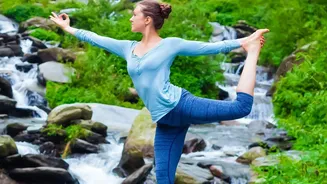
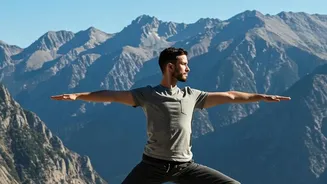
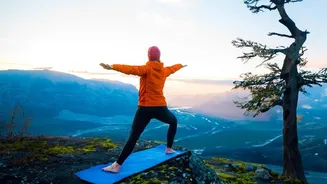
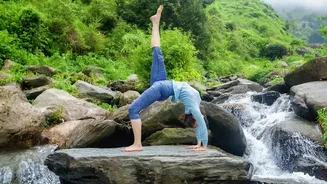
Yoga, on the other hand, is often associated with quiet studios, focusing on flexibility, balance, and controlled movements. However, this is precisely where their synergy lies. Trekking builds powerful muscles, but without proper conditioning, it can also lead to tightness, particularly in the hips, hamstrings, and lower back. Yoga provides the ideal counterbalance, stretching and lengthening these muscle groups, which increases mobility and reduces the risk of injury. By pairing the endurance of hiking with the flexibility of yoga, practitioners develop a more resilient and capable physique.
Building a Foundation Against Injury
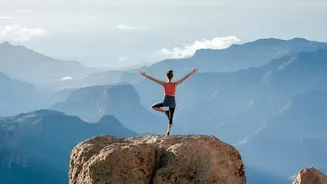
One of the most significant benefits of this combination is injury prevention. Trekking involves repetitive motion that can strain joints and muscles. Yoga strengthens the smaller, stabilizing muscles around the joints that are often neglected in traditional cardio workouts. Poses that focus on balance, like Tree Pose or Eagle Pose, improve proprioception—your body's awareness of its position in space. This heightened awareness is invaluable on a rocky trail, reducing the chance of missteps, falls, and ankle twists. Furthermore, a regular yoga practice builds core strength, which is essential for carrying a pack and maintaining good posture during long ascents and descents, protecting the spine from strain.
The Mental and Spiritual Connection
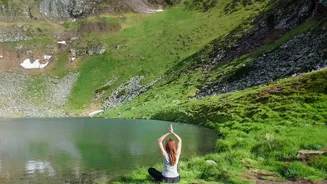
The benefits extend far beyond the physical. Both hiking and yoga are powerful tools for mental wellness. Spending time in nature has been shown to reduce stress, anxiety, and mental fatigue. Trekking immerses you in the present moment, forcing you to focus on the trail ahead and the natural beauty around you. Yoga complements this with its emphasis on mindfulness and breathwork. The practice of 'pranayama,' or breath control, learned in yoga is directly applicable on the trail. Conscious breathing can help manage exertion during steep climbs, improve oxygenation at altitude, and calm the nervous system, transforming a physically demanding trek into a moving meditation.
Enhancing Performance and Recovery
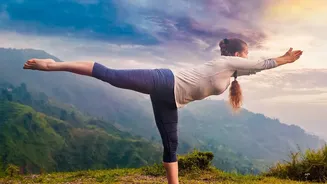
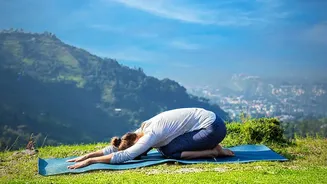
Integrating yoga doesn't just protect the body—it actively improves trekking performance. Increased flexibility allows for a more efficient and fluid stride, conserving energy over long distances. Better balance leads to more confident and stable movement on challenging terrain. But the advantages are perhaps most apparent after the trek is over. Instead of succumbing to days of muscle soreness, a post-hike yoga session can be transformative. Gentle stretches and restorative poses help to release lactic acid, reduce inflammation, and ease tension in overworked muscles. This active recovery process means less downtime between adventures and a greater overall feeling of well-being, avoiding the stiffness that can often follow a strenuous hike.