







Beyond the Tag: Cracking the Sizing Code
The single biggest hurdle in online apparel shopping is fit, and the size on the tag is often just a suggestion. Brands use what is known as "vanity sizing," where clothing is labeled with a smaller size than its actual measurements to flatter customers.
This means a size 8 in one brand could fit like a 10 in another. Since the U.S. abandoned standard clothing size guidelines in the 1980s, companies have developed their own systems based on their target customer. The result is widespread inconsistency. Your first step should always be to ignore the size you think you are and find the retailer’s specific size chart. Get out a flexible measuring tape and take your bust, waist, and hip measurements. Comparing these numbers to the brand's chart is the single most reliable way to get a proper fit and avoid the frustration of an item that's too big or too small.
Look for Garment-Specific Measurements
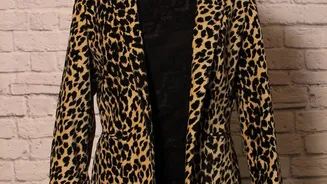
A good size chart provides body measurements, but a great one includes garment measurements. Details like sleeve length, inseam, and total garment length are crucial for special occasion outfits. A dress that's too short or a blazer with sleeves that hit the wrong spot can ruin an otherwise perfect look. Pay attention to descriptions of fabric as well. A material with stretch has more give than a structured fabric like taffeta or linen. Some retailers even provide notes on whether an item runs large or small, or offer details on the model's height and the size they are wearing. This extra layer of information provides valuable context that a generic chart cannot, helping you visualize how the piece will actually fit on your body.
The Return Policy Is Not Just Fine Print
More than 60% of shoppers review a return policy before making a purchase, and for good reason. These policies vary dramatically from one store to another. Before you buy, understand the key terms. First, check the return window, which can range from 14 days to a full year. Second, determine the refund method. Will you get your money back on your original payment method, or will you be issued store credit? Many shoppers are surprised to find they can't get a cash refund. Third, look for the words "final sale." Seasonal and customized items are often non-returnable. If an item is marked as final sale, you are stuck with it, no matter the issue.
The Hidden Costs and Hassle of Returns
Even with a seemingly generous return policy, there are hidden costs. Many retailers do not offer free return shipping, meaning you'll have to pay to send an ill-fitting item back. Beyond the financial cost, there's the mental load: printing labels, repackaging the item, and making a trip to the post office. There's also an environmental price. Every return generates additional shipping miles, packaging, and processing. A significant percentage of returned clothing, particularly from fast-fashion brands, is not resold and may even end up in a landfill because the cost of processing the return exceeds the item's value. Knowing this adds weight to the importance of getting it right the first time.
Your Pre-Checkout Final Checklist
Before you finalize that festive purchase, run through this quick mental checklist. Have you measured yourself and compared it to the brand’s size chart? Have you read the product description for details on fabric, fit, and model sizing? Have you located and understood the return policy, including the return window, refund type, and any potential fees? And finally, have you considered the shipping time to ensure the outfit will arrive well before your event? Answering these questions takes only a few minutes but can be the difference between a joyful celebration and a last-minute scramble for a replacement outfit. A little due diligence ensures your holiday season is remembered for the fun, not the fashion frustration.