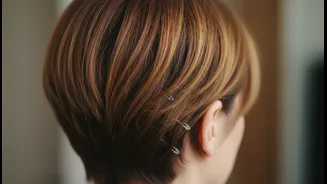










The Layering Dilemma
Short, layered hair is intentionally cut at different lengths to create texture, volume, and movement. While this gives the style its dynamic shape, it also means you're working with dozens of individual hair lengths. Longer hair has enough weight to stay
tucked into an updo or ponytail, but the shorter layers, particularly at the nape and sides, lack the length and weight to reach and remain in an elastic. They are prone to springing free, creating a fuzzy halo effect that can undermine a sleek look. This isn't a flaw in your hair; it's simply the physics of a layered cut. The key is not to fight it but to outsmart it with the right strategy and tools.
Your Essential Pinning Toolkit
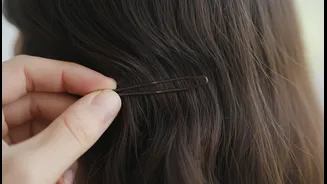
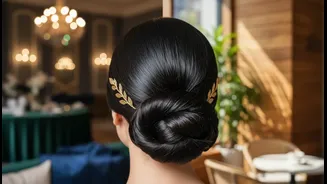
Success begins with your toolkit. Not all hairpins are created equal, and using the right one for the job is critical. Standard bobby pins are the workhorse for securing most styles. For a stronger hold, look for pins with a firm grip and crisscross them to lock rebellious sections in place. U-shaped pins are excellent for securing twists and buns without creating the tension that can sometimes lead to headaches. For a decorative touch, you can use embellished barrettes or colored pins to make them a feature of your hairstyle. Sometimes, creating an intricate design with your pins can be both functional and stylish.
Create a Secure Foundation
Instead of trying to pin stray hairs individually, create an anchor to secure them to. One of the most effective methods is to section off the shortest hairs at the nape of your neck and create a tiny, tight ponytail or braid secured with a small, clear elastic. This small anchor point gives you a solid base to which you can pin the rest of your hair. Another technique involves twisting sections of hair along your hairline before pulling them back. A twist gathers all the short pieces, which can then be secured with a single pin, creating a clean and elegant line while keeping every strand in place.
The Art of Strategic Pinning
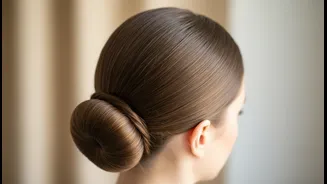
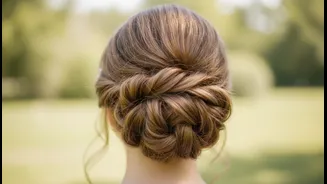
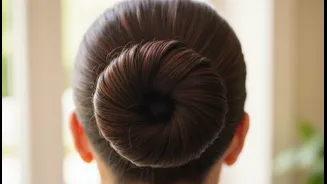
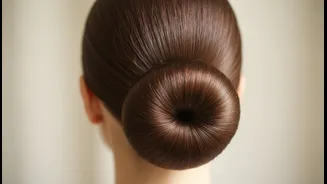
Once you have your foundation, the pinning can begin. For a French twist or similar updo, sweep the hair to one side and create a vertical line of crisscrossed bobby pins down the center of the back of your head. This creates a 'track' to which you can roll and secure the hair. When dealing with shorter side pieces, twist them back tightly and slide a bobby pin horizontally against the scalp to hold the twist. For updos where the bottom layers keep falling out, try creating two low pigtails first, braiding them, and then wrapping and pinning them across the nape of your neck for a secure and intricate look. The goal is to hide the ends and overlap the sections to build a solid structure.
Products Are Your Best Friends
Pins work best when the hair has some grip. Silky, clean hair is notoriously difficult to style. Before you start, apply a texturizing spray or a light mousse to give the strands some hold. A bit of dry shampoo at the roots can also add volume and a workable texture, even on clean hair. Once your style is complete, a flexible-hold hairspray is essential to keep layers from falling out without making your hair feel stiff or crunchy. For very sleek looks, a small amount of styling wax or pomade can be used to smooth down any final flyaways and give your layers definition.