






The Protein Puzzle
For years, the conversation around protein has been dominated by a simple number: the Recommended Dietary Allowance (RDA), which suggests 0.8 grams of protein per kilogram of body weight for the average adult. This single figure has been the foundation
of dietary advice for decades. Yet, a wave of new analysis is making it clear that this number is, at best, a starting point designed to prevent deficiency, not to help individuals thrive. Recent scientific reviews, including one published in the journal Cell Press Blue in July 2026, are pushing for a more nuanced discussion. The consensus is building that a person's ideal protein intake is deeply personal and that blindly chasing a single, generic target might not be beneficial for everyone.
What New Research Suggests
The latest reviews highlight a critical shift in thinking: context is king. One surprising review from 2026, which analyzed over 350 studies, found that for some sedentary individuals, restricting protein intake—rather than increasing it—was linked to better metabolic health and longevity markers. This doesn't mean protein is bad; rather, it suggests that the optimal amount is tied to how our bodies use it. Another major consensus review argued that the old RDA is merely a "survival floor" and not an optimal target for most people, especially active individuals and older adults. The key takeaway from this new wave of research is the need for personalization. The question is evolving from "How much protein?" to "How much protein for you?"
It's Personal: Factors That Change Your Needs
So, what is this 'personal context' that experts are talking about? Several key factors can dramatically alter your daily protein requirements. Age: Protein needs change throughout our lives. Older adults, for instance, often require more protein—around 1.2 to 1.6 grams per kg of body weight—to fight age-related muscle loss, a condition known as sarcopenia. Activity Level: This is perhaps the biggest variable. A sedentary person has vastly different needs than an athlete. While a moderately active person might not need much more than the baseline, endurance athletes and those focused on building muscle may need anywhere from 1.2 to 2.0 grams per kg of body weight to support muscle repair and growth. Health Goals: Are you trying to lose weight, build muscle, or simply maintain your current physique? Higher protein intake can help with fat loss by promoting satiety and preserving muscle mass, which helps keep your metabolism active. Health Status: Certain conditions like recovering from an injury, surgery, or illness increase the body's demand for protein to heal and repair tissues. Likewise, pregnancy and lactation also increase protein needs significantly.
Finding Your Protein Sweet Spot
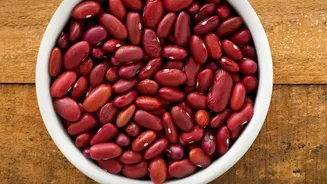
Given all these variables, it's clear there is no single magic number. The general RDA of 0.8 g/kg might be enough for a healthy but sedentary adult, but it's not a universal rule. For many active adults, a target of 1.2 to 1.6 g/kg is becoming a more commonly cited starting point. For a 70 kg person, this translates to a range of 84 to 112 grams per day, a significant increase from the RDA of 56 grams. However, instead of getting lost in calculations, a more practical approach is to focus on including a quality protein source with every meal. Spreading your intake evenly throughout the day is more effective for muscle synthesis than consuming a large amount in one sitting. Aim for sources like lean meats, fish, eggs, dairy, and a wide variety of plant-based options like lentils, beans, tofu, and nuts.