



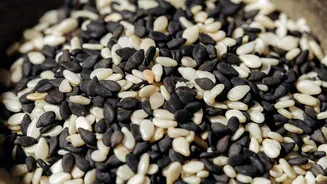
The Allure of the Super Seed
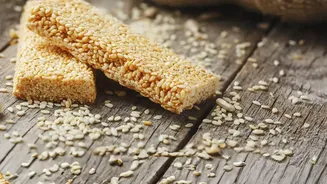
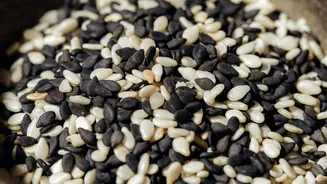
Sesame seeds have been a staple in global cuisines for thousands of years, prized for their nutty flavour and satisfying crunch. Recently, they’ve gained fame as a 'superfood' packed with nutrients. These tiny seeds are a good source of protein, healthy
fats, fibre, B vitamins, and minerals like magnesium and iron. They also contain unique plant compounds called lignans, such as sesamin and sesamolin, which have antioxidant properties. This impressive nutritional profile has led many to believe that adding a sprinkle of sesame to their diet could be a simple shortcut to a healthier heart. The idea is tempting: a small change for a big reward. But as with most things in nutrition, the reality is more complex.
What the Science Actually Says
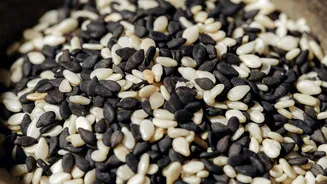
Numerous studies have investigated sesame's impact on heart health, with some promising findings. Meta-analyses of clinical trials have shown that consuming sesame can lead to modest reductions in risk factors for cardiovascular disease. Specifically, studies have pointed to lower total cholesterol, triglycerides, and blood pressure in participants who consumed sesame. For instance, one study found that daily consumption of 2.5 grams of powdered black sesame seeds lowered systolic blood pressure by 6% in four weeks among people with prehypertension. Another trial saw significant reductions in cholesterol and triglycerides in people who added 40 grams of hulled sesame seeds to their daily diet. However, interpreting this research is where things get tricky. The studies use a wide variety of sesame forms—including whole seeds, powdered seeds, oil, and isolated lignan supplements like sesamin. Dosages also vary dramatically, from a few grams of powder to multiple tablespoons of oil a day. Some research suggests sesame oil is more effective at lowering triglycerides than whole seeds, while other studies find benefits from the seeds themselves. This inconsistency, along with often small sample sizes, means that while the results are interesting, they are not yet conclusive enough to make firm recommendations.
The Forest, Not the Trees
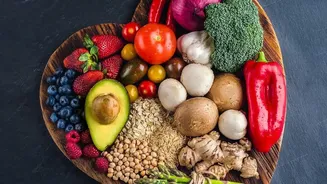
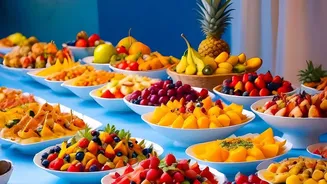
This focus on a single ingredient, even a healthy one, misses the bigger and more important picture: the overall dietary pattern. Health organisations like the American Heart Association and the World Health Organization consistently emphasize that long-term health is determined by the entirety of what we eat. A healthy dietary pattern is defined by variety, balance, and moderation. It’s a diet rich in fruits, vegetables, whole grains, and healthy protein sources like fish and legumes, while being low in processed foods, added sugars, sodium, and saturated fats. Dietary patterns like the DASH (Dietary Approaches to Stop Hypertension) or Mediterranean diets, which are associated with reduced cardiovascular disease risk, work because they incorporate a wide array of nutrient-dense foods that act together to protect the body. No single food, whether it's blueberries, kale, or sesame seeds, can compensate for a diet that is otherwise poor. Thinking of foods as individual 'heroes' or 'villains' is a common pitfall that can lead to confusion and an unbalanced approach to eating.
Making a Place for Sesame on Your Plate
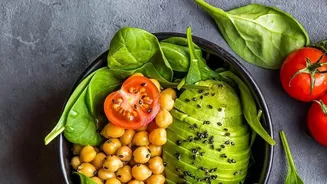
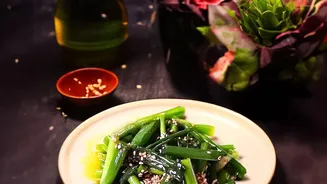
So, should you dismiss sesame seeds entirely? Absolutely not. The takeaway isn't that sesame seeds are useless; it's that they are not a magic bullet. They are a nutritious and delicious component that can absolutely be part of a heart-healthy diet. Rather than focusing on a specific therapeutic dose, think about incorporating them into your meals in enjoyable ways. Sprinkle sesame seeds on salads, stir-fries, or roasted vegetables for added texture and nutrients. Use tahini, a paste made from ground sesame seeds, as a base for dressings or dips like hummus. Choosing whole, unprocessed foods like sesame seeds over highly processed alternatives is always a step in the right direction. The goal is to build a diet based on a foundation of diverse, whole foods—where sesame seeds are just one of many valuable players on the team.