


A Pattern of Calamity
From Uttarakhand and Sikkim in India to the Bhote Koshi river valley in Nepal, a frightening pattern of destruction is unfolding. The 2021 Chamoli disaster, the 2023 South Lhonak glacial lake outburst, and the catastrophic floods in Nepal in August 2026
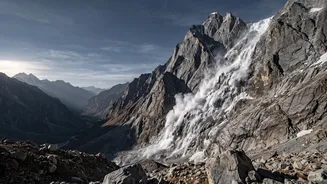
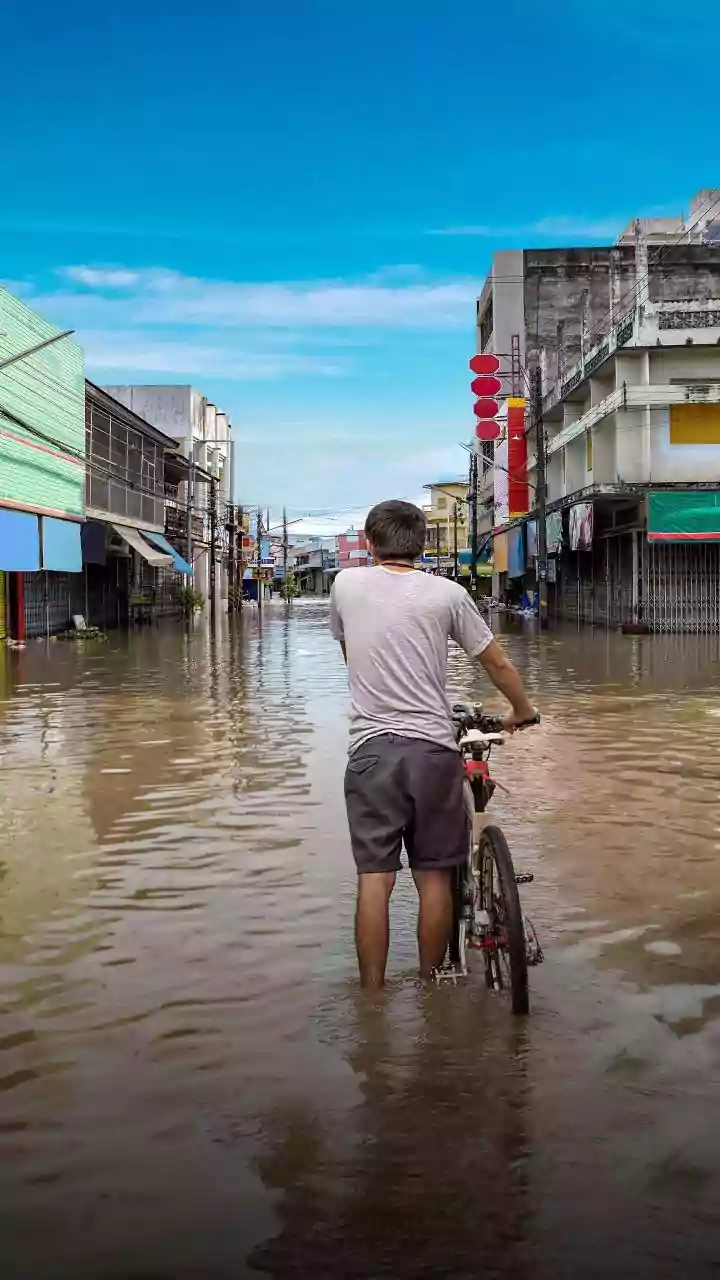
share grim similarities with the 2013 Kedarnath tragedy. These are not typical monsoon floods. Many were triggered by massive rock and ice avalanches, creating temporary dams that later burst with catastrophic force, sending torrents of water, mud, and boulders downstream with little to no warning. The sheer speed is terrifying: in the recent Nepal incident, water levels in one river rose by as much as nine metres in just 30 minutes. This new breed of disaster signals a fundamental change in the Himalayan environment.
The Climate Change Accelerator
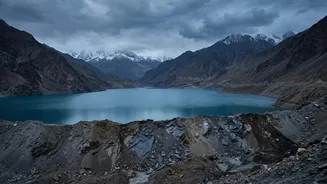
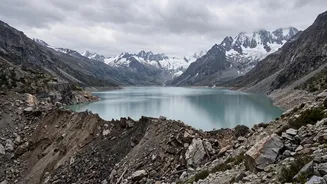
The Himalayas are warming at a rate significantly faster than the global average. This has profound consequences. Glaciers, which act as the region's water towers for over a billion people, are retreating at an accelerated pace. This rapid melting does two dangerous things. First, it creates and expands thousands of glacial lakes, many held back only by unstable natural dams of rock and debris. These are known as Glacial Lake Outburst Floods (GLOFs), and they are becoming more frequent. Second, warming thaws permafrost—the frozen ground that acts like glue holding steep mountain slopes together. As this "glue" melts, it makes entire rock faces unstable and prone to collapse, triggering the kind of ice-and-rock avalanches recently seen in Nepal.
Building on Unstable Ground
Climate change is loading the weapon, but unchecked and often unscientific development is pulling the trigger. The Himalayas are geologically young and active, making them inherently unstable. Yet, the region has seen a boom in infrastructure projects—hydropower dams, massive road-widening schemes, tunnels, and sprawling tourist towns. Experts warn that this development model, often applying standards meant for the plains, fails to account for the mountains' unique fragility. Blasting mountains for roads and tunnels destabilises slopes, while hydropower projects built in vulnerable river valleys become targets for the very floods they are meant to tame. The 2021 Rishiganga disaster in Uttarakhand washed away one hydropower project and severely damaged another, highlighting the immense risks.
Rivers That Know No Borders
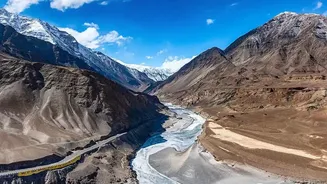
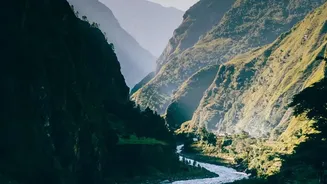
Water-related disasters do not recognise political boundaries, a reality that ties India and Nepal's fate together. Many of the rivers that are lifelines for northern India, including tributaries of the Ganga like the Kosi and Gandak, originate in the high Himalayas of Nepal and China. A disaster upstream in Nepal inevitably sends floodwaters rushing into downstream states like Bihar and Uttar Pradesh. The 2008 Kusaha disaster, where the Kosi river breached its embankment in Nepal, caused widespread devastation in Bihar. Following the recent Nepal floods, engineers at the Gandak Barrage in Bihar had to open all 36 gates to manage the massive surge of water coming from the Narayani river, highlighting the direct cross-border impact. This shared vulnerability makes regional cooperation not just a diplomatic nicety, but a matter of survival.
Heeding the Himalayan Alarm
The connected disasters in India and Nepal are a clear and urgent warning: the current approach to development and disaster management in the Himalayas is broken. The mountains are sending a message that they have reached an ecological breaking point. Treating the Himalayas as an inexhaustible resource for tourism and power is creating the conditions for future tragedies. Experts argue for a fundamental shift towards ecological stewardship. This includes scientifically assessing the carrying capacity of mountain towns, integrating climate risk into all infrastructure planning, and strengthening cross-border early warning systems. Rapidly sharing data on glaciers, landslides, and river blockages between India, Nepal, and China is now critical to saving lives downstream.