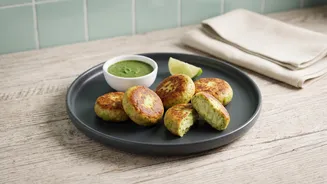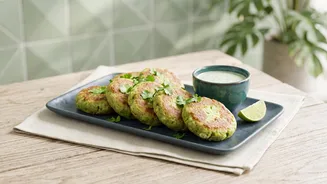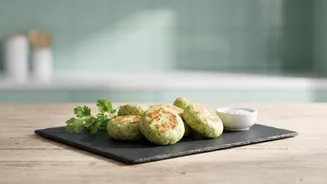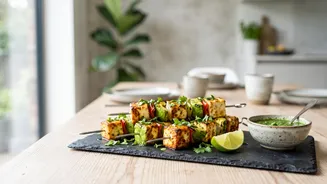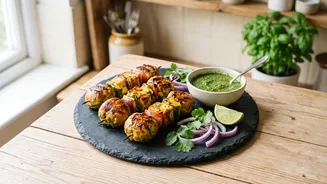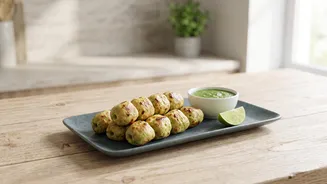



A Modern Culinary Fusion
Imagine the smooth, rich taste of a ripe avocado meeting the familiar, comforting texture of fresh paneer. This combination is more than just a novelty; it's a fusion that brings together a global superfood with an Indian kitchen staple. Avocado provides
healthy fats and a buttery feel, while paneer offers a high-protein, satisfying bite. When mashed together and seasoned, they form the base of a kebab that is incredibly moist and flavourful, appealing to both traditional palates and those seeking new culinary experiences. The pairing works beautifully, creating a melt-in-the-mouth texture that is luxurious and unique. However, this delightful softness is also the mixture's biggest challenge when it comes to cooking.
The Binding Conundrum
The central issue, as the headline suggests, is that avocado introduces significant moisture and fat into the kebab mix. Unlike meat or denser vegetable kebabs, an avocado-paneer mixture is inherently delicate. The high water content can cause the kebabs to become mushy and lose their shape when they hit a hot pan. Without a proper binding agent, your perfectly shaped patties can easily disintegrate, turning into a scramble instead of a well-formed kebab. This is why simply mashing the two main ingredients together with spices is not enough. Understanding and choosing the right binder is the most critical step to ensure your kebabs are a success.
Mastering the Art of Binding
To counteract the softness, a reliable binding agent is essential. There are several excellent options that work well without compromising the flavour. Roasted gram flour (besan) is a classic choice in Indian cooking; it absorbs excess moisture and adds a subtle nutty flavour. Breadcrumbs are another effective binder, helping to create a firmer structure. For a gluten-free alternative, cornflour, rice flour, or even powdered oats can be used to soak up moisture and hold the mixture together. Another popular technique is to add a small amount of boiled and mashed potato. The starch from the potato provides excellent binding power and complements the creamy texture of the main ingredients. The key is to add the binder gradually until the mixture is no longer sticky and can be easily shaped.
Enhancing the Flavour Profile
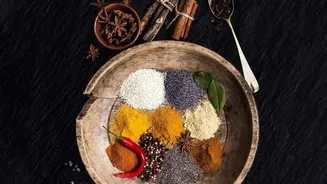
With the texture sorted, you can focus on flavour. The mildness of both avocado and paneer makes them a perfect canvas for a variety of spices. Finely chopped green chillies, grated ginger, and fresh coriander leaves provide a fresh, zesty kick. Classic Indian spices like cumin powder, turmeric, and a touch of garam masala will add warmth and depth. A squeeze of lemon juice or a sprinkle of chaat masala at the end can brighten up all the flavours and provide a tangy finish. Don't be afraid to experiment with finely chopped onions for a bit of sweetness and crunch. The goal is to create a balanced flavour that enhances, rather than overwhelms, the creamy stars of the dish.
Cooking with Care and Precision
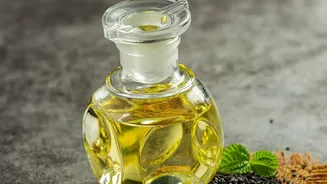
How you cook these delicate kebabs is just as important as how you make them. Once your mixture is prepared and shaped, it's highly recommended to chill the patties in the refrigerator for at least 20-30 minutes. This helps them firm up and hold their shape better during cooking. When you're ready to cook, use a non-stick pan with a little oil heated over a medium flame. Avoid high heat, which can cause the outside to burn before the inside is properly cooked. Place the kebabs gently in the pan, ensuring not to overcrowd it. Cook them for a few minutes on each side until they are golden brown and crisp. Patience is key; gentle handling will reward you with beautiful, intact kebabs.