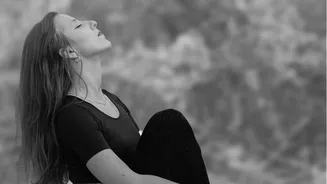







The Goal Is Calm, Not Competition
Scroll through social media, and you might see breathwork presented as an extreme sport: intense techniques, rapid breathing, and impressively long breath holds. This can create pressure for beginners to push their limits, believing that intensity equals
effectiveness. However, the true purpose of most foundational breathwork practices is to soothe the nervous system, not to strain it. Chasing long breath holds can introduce stress and anxiety, which is the very thing you're trying to reduce. Forcing your body into a state of oxygen deprivation can lead to dizziness, panic, or even fainting. The goal isn't to win a prize for the longest hold, but to gently guide your body into a state of relaxation.
Why Gentle Breathing Is So Powerful
The magic of gentle breathwork lies in its ability to activate your parasympathetic nervous system, often called the “rest and digest” system. When you're stressed, your sympathetic nervous system—the “fight or flight” response—takes over, leading to a rapid heart rate and shallow breathing. By intentionally slowing down your breath, you send a powerful signal to your brain that you are safe. This conscious control helps lower your heart rate, reduce blood pressure, and decrease levels of the stress hormone cortisol over time. This shift from a state of high alert to one of calm is where the real benefits for mental clarity, reduced anxiety, and improved well-being are found.
Simple Techniques to Get You Started
Starting a breathwork practice is simple and requires no special equipment. The key is to find a quiet, comfortable space where you won't be disturbed. Here are two highly effective and beginner-friendly exercises: 1. Diaphragmatic (Belly) Breathing: This technique encourages you to use your diaphragm, the primary muscle of respiration, more effectively. Lie down or sit comfortably. Place one hand on your belly and the other on your chest. Inhale slowly through your nose, focusing on making your belly rise as it fills with air, while your chest remains relatively still. Exhale slowly through pursed lips, feeling your belly fall. Repeat for 5-10 cycles. 2. Box Breathing: This rhythmic practice is excellent for calming anxiety and improving focus. Visualize a box with four equal sides. Inhale slowly through your nose for a count of four. Gently hold your breath for a count of four. Exhale slowly through your mouth for a count of four. Pause and hold the exhale for a count of four. That completes one cycle. Repeat for a few minutes.
Building a Practice That Lasts
Consistency is far more important than duration or intensity when you're starting out. You don't need to commit to a 30-minute session every day. Begin with just three to five minutes each morning or whenever you feel a moment of stress during the day. The idea is to build a sustainable habit. Wear comfortable, non-restrictive clothing to allow your belly and chest to expand freely. Don't worry if your mind wanders; that's completely normal. Gently guide your focus back to the sensation of your breath. The more you practice, the easier it will become to tap into this state of calm on demand.
Know the Signs of Pushing Too Hard
Listening to your body is the most important rule in breathwork. Certain intense techniques are not appropriate for everyone and may require medical guidance, especially for those with cardiovascular, respiratory, or neurological conditions. If you experience dizziness, lightheadedness, tingling in your hands or feet, or a feeling of anxiety, it's a sign to stop and return to your normal breathing pattern. These sensations can indicate a buildup of carbon dioxide or a lack of oxygen. Breathwork should feel restorative and grounding. If a technique causes discomfort or stress, it is not the right one for you at this moment. Always prioritize safety and comfort over performance.