




The Tiny Bombs in Every Storm
It’s a question that has puzzled scientists: how can something as soft as a water droplet erode hard surfaces over time? For years, it was known that raindrops striking bare ground act with surprising force. A large 5 mm drop, for instance, can reach
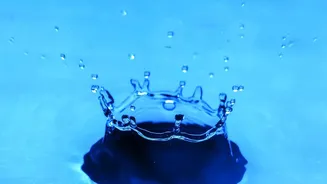
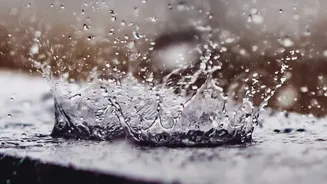
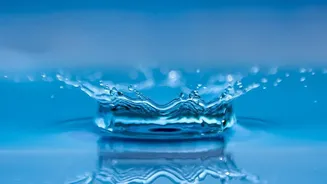
a terminal velocity equivalent to about 32 km/h, hitting the ground with the force of a small hammer. However, new research has gone deeper. A study led by the University of Minnesota found that the impact is more explosive than previously understood. Using a technique called high-speed stress microscopy, researchers measured the force underneath a droplet as it hits a surface. They discovered that as the droplet spreads, it creates a shock wave. Each drop essentially behaves like a micro-bomb, releasing its impact energy explosively and creating immense shear stress, which is the force that pushes soil particles apart.
The Physics of the Splash
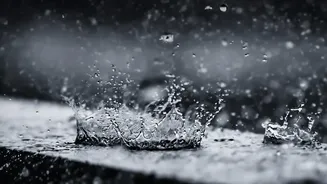
The first stage of water-based soil degradation is known as 'splash erosion'. When a raindrop strikes bare soil, it doesn't just get absorbed; it causes a violent ejection of soil particles in all directions. The kinetic energy of the raindrop is the primary driver, breaking up soil aggregates and mobilising particles for transport. This process has been captured with high-speed cameras, revealing a complex interaction. The amount of splash depends on the soil's strength; on low-strength, saturated soil, the drop deforms the surface, raising a ring of soil before the spreading water blows out the sides of the newly formed cavity. The size of the raindrop is critical. Larger drops are disproportionately more destructive, not just because they weigh more, but because their velocity and impact energy increase dramatically with size.
From Splash to Gully
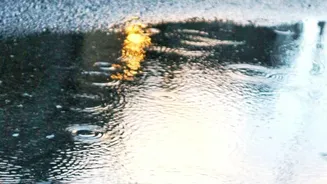
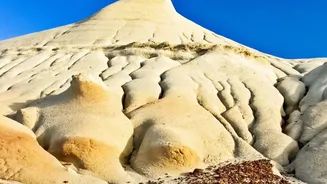
Splash erosion is just the beginning. The dislodged soil particles clog the natural pores in the ground, sealing the surface. This reduces the soil's ability to absorb water, a process known as infiltration. When rainfall intensity is greater than the soil's infiltration capacity, water begins to pool and move across the surface, carrying the loose soil with it. This initial runoff is called 'sheet erosion', a process that strips away the finest, most nutrient-rich topsoil. As the flow of water concentrates, it carves small channels known as rills. Over time, and with continued heavy rain, these rills can deepen and widen to become gullies, causing massive soil loss and transforming the landscape.
The Indian Context: Monsoons and Topsoil
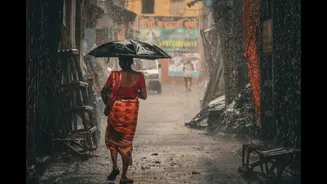
This science has profound implications for India, where seasonal monsoons deliver intense rainfall over short periods. The country's vast agricultural lands are particularly vulnerable. When fields are left bare between cropping cycles, the full force of the monsoon rains impacts the soil directly, accelerating splash erosion and runoff. This leads to the degradation of valuable topsoil, which is crucial for agricultural productivity. Soil erosion by water is considered the most serious cause of soil degradation globally, and its effects are amplified in regions with intense rainfall patterns and sloping terrain. The loss of topsoil not only reduces crop yields but also leads to sedimentation in rivers and reservoirs, affecting water quality and storage capacity.
Softening the Impact
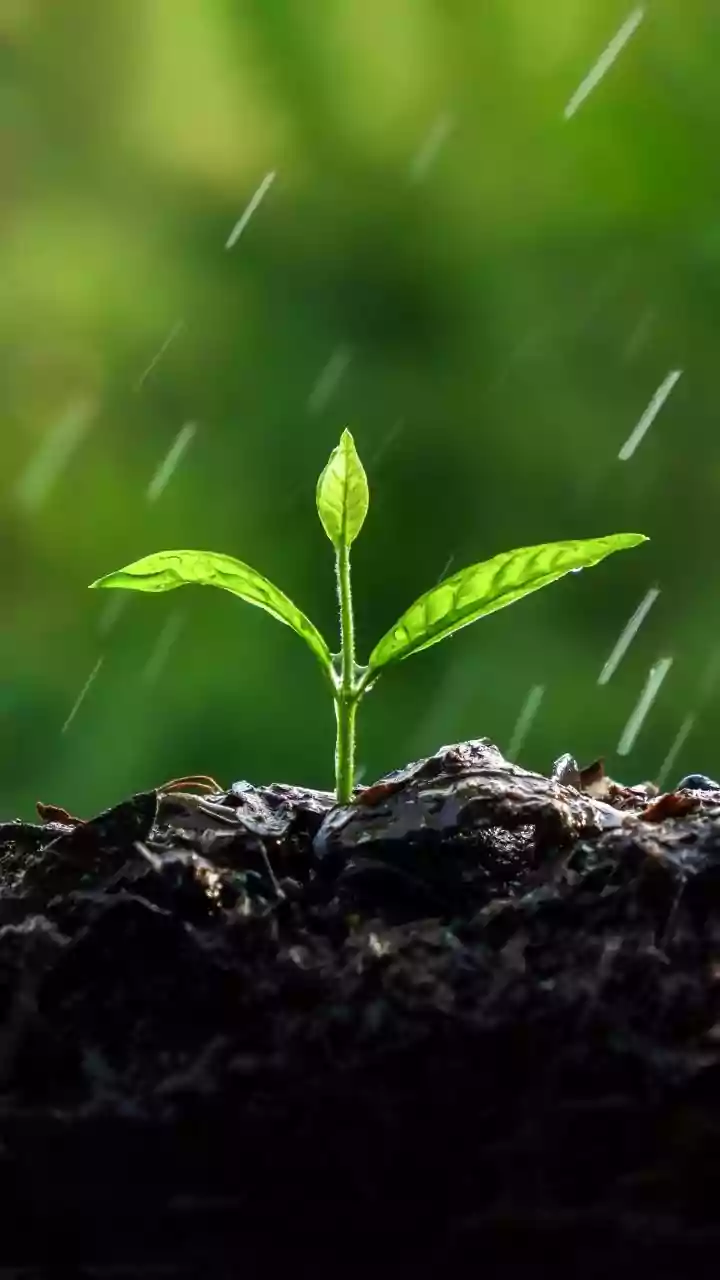
Understanding the mechanics of raindrop damage allows for the development of more effective erosion control strategies. The key is to prevent the raindrop from directly striking bare soil. Anything that covers the ground can absorb the kinetic energy of the rainfall. Vegetation is the most effective natural shield; its leaves and stems intercept raindrops, while its root systems hold the soil together. In an agricultural context, practices like using cover crops, leaving crop residue on the fields after harvest (no-till farming), and applying mulch can create a protective armour for the soil. Even man-made structures play a role; a recent study found that solar panels can reduce soil erosion underneath them by shielding the ground from direct raindrop impacts, although they can also concentrate runoff at their edges. By protecting the surface, these methods ensure that rainwater soaks in rather than running off, preserving the soil for future generations.