



More Than Just Muscle
For years, protein was synonymous with bodybuilders and elite athletes. But this perception is changing as we understand its wider role in our health. Protein is a fundamental building block for life, crucial for far more than just muscle gain. The amino
acids in protein are essential for repairing tissues, producing hormones and enzymes that regulate everything from digestion to sleep, and supporting a robust immune system to fight off infections. It also plays a key role in maintaining healthy hair, skin, and nails, and contributes to strong bones. Furthermore, protein helps you feel full and satisfied after a meal, which can aid in weight management by reducing the urge to overeat.
The Great Indian Protein Gap
Despite a rich culinary heritage, a significant portion of the Indian population is not getting enough protein. Surveys have indicated that a large percentage of Indians, up to 73% in one study, are protein deficient, with over 90% being unaware of their daily requirements. The Indian Council of Medical Research (ICMR) recommends a minimum of 0.8 to 1 gram of protein per kilogram of body weight for a sedentary adult. This means a 65kg person needs about 54 grams daily just to prevent deficiency. However, the average intake is often much lower, around 0.6 grams per kilogram. This gap is largely due to diets that are heavy on carbohydrates, like rice and roti, where even protein sources like dal are served in smaller quantities.
The New Age of Protein
The food industry has responded to this growing awareness with a wave of innovation. Protein is no longer confined to dusty tubs of whey powder. It's now being incorporated into everyday foods, a trend driven by rising health consciousness and urban lifestyles. Companies are launching protein-fortified atta, high-protein paneer and yoghurt, and even protein-rich snacks and beverages. This makes it easier than ever for everyone, from busy professionals to families, to boost their intake without drastically changing their eating habits. Quick commerce platforms have reported a massive surge in orders for protein-rich products, showing a clear shift in consumer behaviour towards functional and nutritious foods.
Finding Your Protein Power
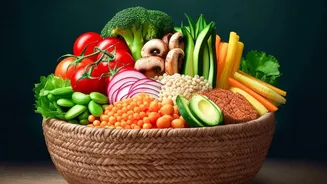
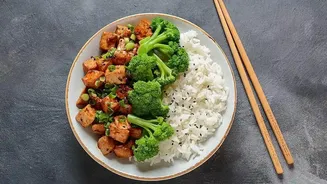
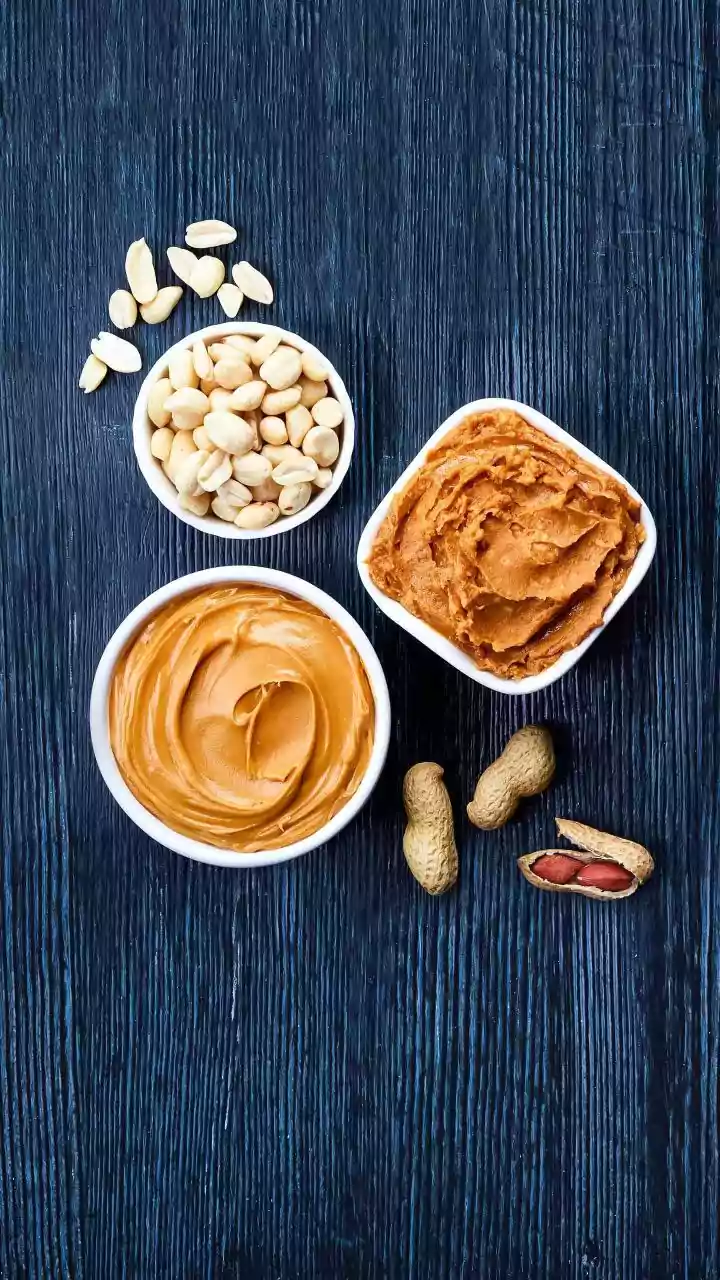
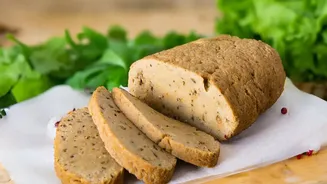
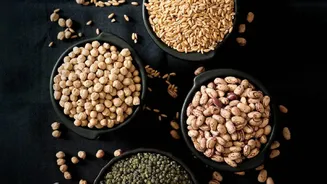
Incorporating more protein into your Indian diet is easier than you think, especially for vegetarians. The key is variety. Beyond the classic dal, which is a staple, focus on including a diverse range of sources. Foods like paneer, tofu, soybeans, chickpeas (chana), and kidney beans (rajma) are excellent choices. Nuts and seeds like almonds and flaxseeds offer a protein punch along with healthy fats. For a significant boost, consider Greek yoghurt (hung curd), which contains almost double the protein of regular dahi. Even certain grains like quinoa and amaranth can contribute to your daily goal. The idea is to build meals that are balanced, pairing your carbohydrates with a solid protein source at every meal.
A Word on Supplements
While a food-first approach is always best, protein supplements can be a convenient way to bridge the gap, especially for those with higher needs or busy schedules. Active individuals aiming to build muscle may require more protein, typically in the range of 1.2 to 1.6 grams per kilogram of body weight. For vegetarians, hitting these higher targets through food alone can be challenging without consuming excess carbohydrates. In such cases, a quality protein powder — whether whey, casein, or a plant-based option like pea or soy — can be a practical addition to a smoothie or a glass of milk post-workout or as a meal supplement.