




Understanding African Jasmine
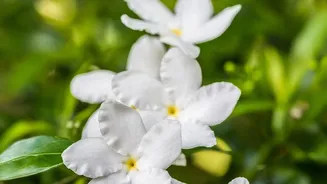
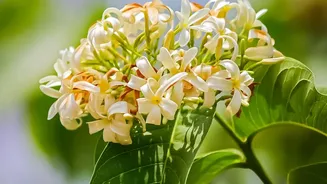
African Jasmine, known botanically by several names including Jasminum multiflorum or Downy Jasmine, is a species often celebrated more for its visual appeal than its fragrance. Unlike the intensely perfumed varieties many associate with the name 'jasmine',
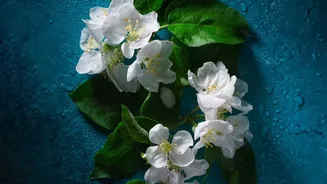
this plant is lauded for its dense clusters of brilliant white, star-like blossoms that can appear for long seasons in warm climates. Native to India and other parts of Asia, this evergreen is a scrambling shrub that can be trained as a vine or pruned to maintain a bushier form. Its leaves are often soft and have a grey-green or dark green appearance, which provides a beautiful contrast to the crisp white flowers.
Creative Garden and Decorative Uses
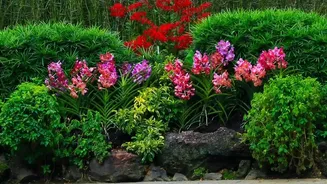
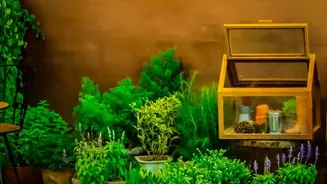
The true strength of African Jasmine lies in its versatility in garden design. Its scrambling habit makes it an excellent choice for a variety of applications. You can let it spill over retaining walls for a natural, cascading effect or use it as a dense ground cover to blanket large areas with its glossy foliage. When provided with a trellis, fence, or pergola, it transforms into a magnificent climbing vine, creating a living wall of green and white. It also thrives in large containers, making it perfect for patios and balconies where its arching stems can create a fountain-like display. The cut flowers, with their long, elegant tendrils, add romance and movement to indoor floral arrangements.
Growing and Care in Indian Climates
African Jasmine is well-suited to the warmer climates found throughout India. It flourishes in conditions ranging from full sun to partial shade, though more sunlight often encourages more prolific blooming. The plant prefers well-drained loamy soil and consistent moisture, especially while it is establishing. A good rule of thumb is to water when the top inch of soil feels dry, but avoid letting the roots sit in soggy soil, which is a common mistake. Pruning after a major blooming period helps maintain a compact, dense shape and encourages healthy new growth. For container gardening, using a mix of potting soil, compost, and sand will provide the excellent drainage it needs.
More Than Just a Pretty Plant
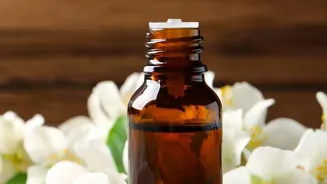
Beyond its ornamental value, various parts of the Jasminum multiflorum plant have been used in traditional medicine for centuries. In Ayurveda, preparations from its leaves, roots, and flowers have been used to address issues like fevers, headaches, and skin conditions such as ulcers. The leaves and roots are believed to possess anti-inflammatory and pain-relieving properties. The flowers are not only used in religious ceremonies and woven into garlands, but the oils extracted from them are also valuable in the cosmetic industry for perfumes. Furthermore, the plant is known to attract pollinators like butterflies and hummingbirds, adding another layer of life and activity to your garden.