





The Old Way vs. The New Space Age
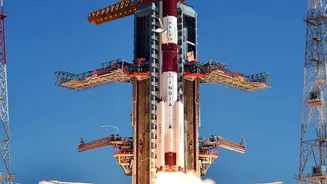
For decades, getting to space was an incredibly wasteful and expensive endeavour. Imagine an airline building a brand-new aircraft for a single flight and then ditching it in the ocean. That was the reality of space launch. Rockets, marvels of engineering,
were almost entirely disposable, making each mission astronomically costly. This limited space access to a handful of government agencies and extremely well-funded programmes. This year's World Space Week theme, 'Rocket Revolution', signals that this era is decisively over. The spotlight is on a new model, pioneered by companies like SpaceX, where the most expensive parts of the rocket return to Earth, land themselves, and are refurbished for another flight. This isn't a distant dream; it's the new economic engine of the space industry.
The Economics of a Second Flight
The business case for reusability is transformative. By recovering and reflying the first-stage booster, which can account for 60-80% of a rocket's total cost, companies can slash the price of a single launch. SpaceX's Falcon 9 has become the poster child for this model, with some of its boosters flying more than 35 times. One booster, B1067, set a record in August 2026 with its 37th flight. This high flight rate dramatically lowers the cost of deploying satellites, making massive constellations like Starlink economically viable and driving down prices for other commercial and scientific missions. The market for reusable launch vehicles was valued at over USD 7.8 billion in 2025 and is projected to grow to over USD 28 billion by 2035, underscoring the rapid commercial adoption of this technology.
India's Leap into Reusability
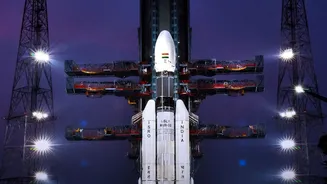
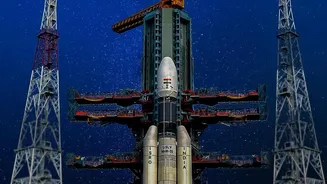
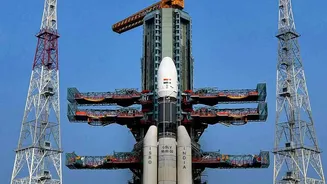
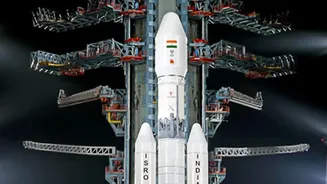
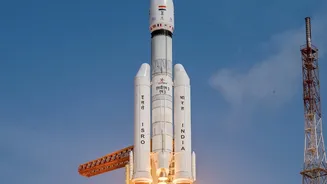
India is firmly in the race to master this crucial technology. The Indian Space Research Organisation (ISRO) is actively developing its own Reusable Launch Vehicle (RLV). Through its 'Pushpak' vehicle, ISRO has successfully completed a series of autonomous landing experiments, most recently in June 2024, where the winged vehicle landed itself on a runway at high speed. This approach, different from the vertical landings of SpaceX, is a key step towards a two-stage-to-orbit vehicle. Looking ahead, ISRO's planned Next Generation Launch Vehicle (NGLV), or 'Project Soorya', is being designed as a partially reusable system capable of lifting heavy payloads, crucial for building India's own space station. At the same time, India's private space sector is showing immense promise. Startups like Skyroot Aerospace, which launched India's first private orbital rocket in July 2026, and Agnikul Cosmos are also developing their own reusable rocket technologies, potentially accelerating India's capabilities in this competitive market.
More Than Just Saving Money
The impact of reusability extends far beyond launch costs. It creates a more sustainable and accessible space ecosystem. By reducing manufacturing demand and minimising the hardware discarded in oceans or left as space debris, reusable rockets offer a more environmentally responsible path forward. Increased launch frequency and lower costs are democratising space, opening the door for universities, startups, and developing nations to conduct research, deploy new technologies, and participate in the growing space economy. This revolution enables a wider range of missions, from deploying vast satellite networks for global internet access to more ambitious scientific exploration and, eventually, routine human spaceflight.
The Challenges on the Return Journey
Despite the successes, making rockets reusable is incredibly difficult. The engineering challenges include developing robust heat shields to survive fiery re-entry, creating complex guidance systems for precise autonomous landings, and ensuring components can withstand the stress of multiple flights with rapid refurbishment. These systems add weight and complexity, which can reduce a rocket's overall payload capacity. Furthermore, the high initial investment required to develop this technology creates a significant barrier to entry, and ensuring reliability and safety across dozens of flights remains a paramount concern for all companies in the field.