


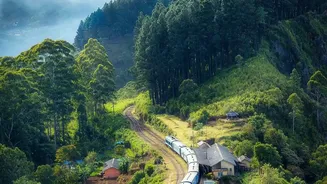

A Monumental Challenge
In the 19th and early 20th centuries, British engineers faced the colossal task of connecting the cool, strategic hill stations of India with the plains below. The rugged, unforgiving terrain of the Himalayas and the Nilgiri Hills demanded extraordinary
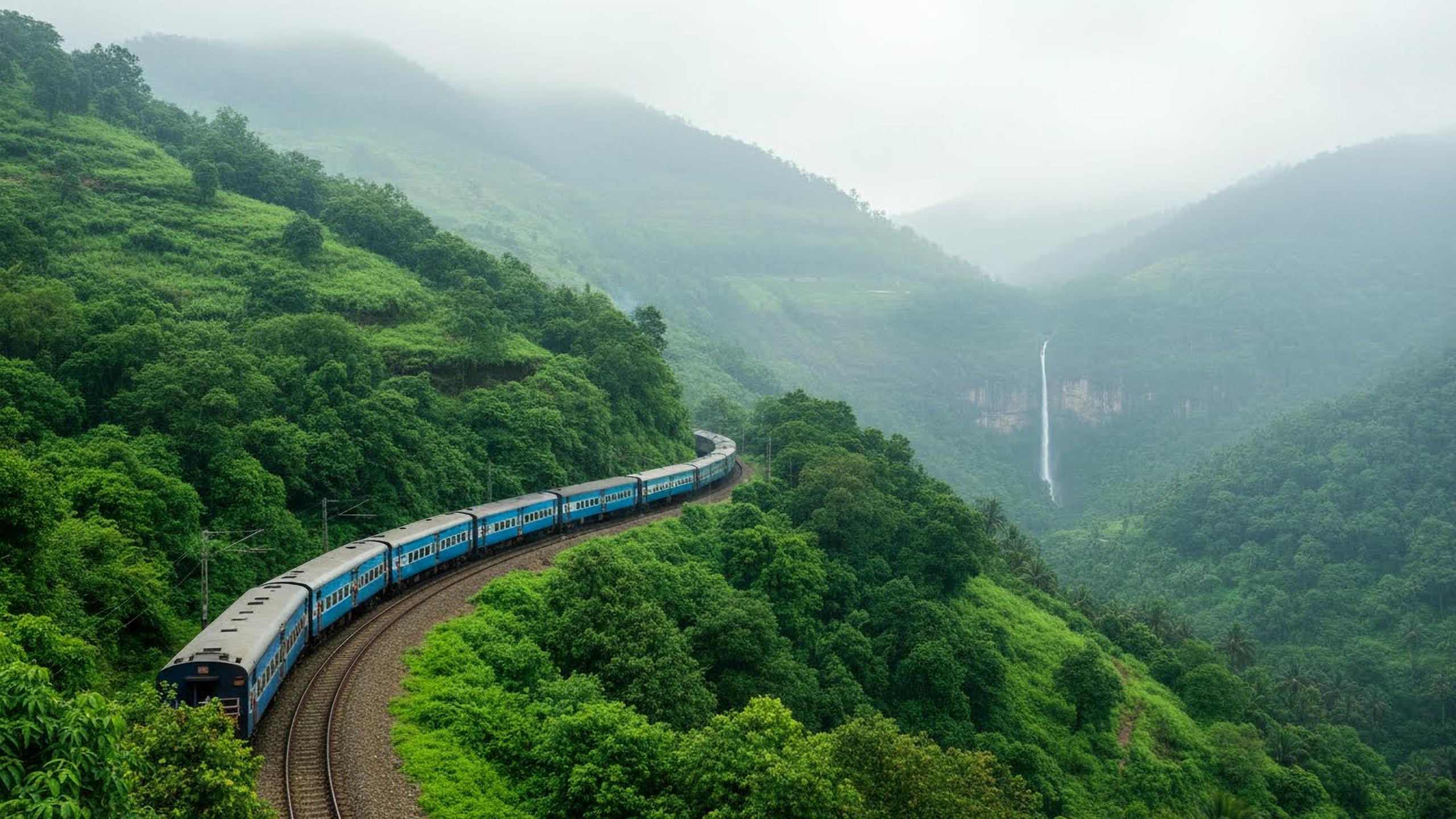
ingenuity. The result was a series of narrow-gauge railway lines that UNESCO describes as "outstanding examples of bold, ingenious engineering solutions". These railways weren't just about conquering steep gradients; they were about creating lifelines that would foster economic activity, enable administrative control, and ultimately, link isolated mountain populations with the rest of the country. Today, three of these lines—the Darjeeling Himalayan Railway, the Nilgiri Mountain Railway, and the Kalka-Shimla Railway—are collectively recognised as a single UNESCO World Heritage Site.
Darjeeling's 'Toy Train': Loops and Zig-Zags
The oldest of the trio, the Darjeeling Himalayan Railway, began operations in 1881. Affectionately known as the 'Toy Train', it tackles an ascent of over 2,100 metres from New Jalpaiguri to Darjeeling. Instead of costly and time-consuming tunnels, its engineers devised a brilliant system of loops and zig-zag reverses to navigate the sharp inclines. The most famous of these is the Batasia Loop, which offers a breathtaking 360-degree view of Darjeeling and the snow-capped Kanchenjunga. The train famously runs alongside the Hill Cart Road, weaving through bustling towns and markets where life unfolds just inches from the tracks, offering an intimate glimpse into the region's culture. It remains a testament to pioneering spirit and a vital part of the local landscape.
Nilgiri's Rack and Pinion Marvel
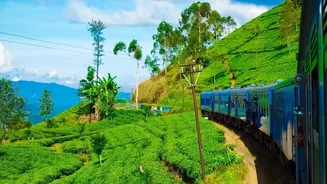
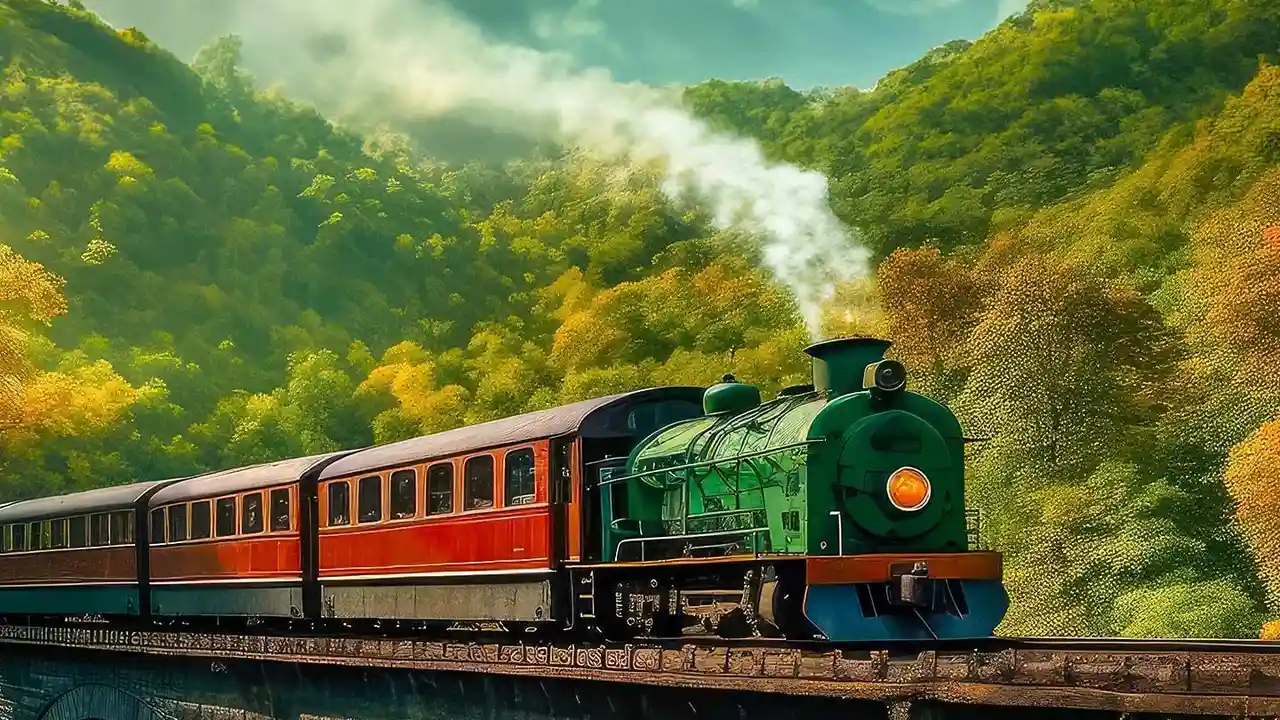
Down south in Tamil Nadu, the Nilgiri Mountain Railway employs a different, but equally impressive, technology to conquer Asia's steepest track. It is the only railway in India to use a 'rack and pinion' system. On the steepest sections of its journey from Mettupalayam to Ooty, a toothed rack rail is laid between the tracks. The locomotive is fitted with a cogwheel (pinion) that engages with this rack, essentially pulling the train up the mountain like a climber on a ladder. This unique Alternate Biting System (ABT) allows the train to handle gradients as steep as 1 in 12.5. The journey, powered partly by vintage steam locomotives, takes passengers through dense forests, across dozens of bridges, and into 16 tunnels, ascending over 1,800 metres.
The Kalka-Shimla Railway: A Feat of Endurance
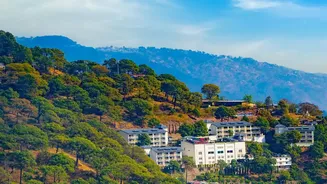
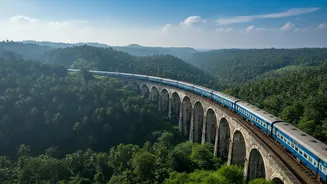
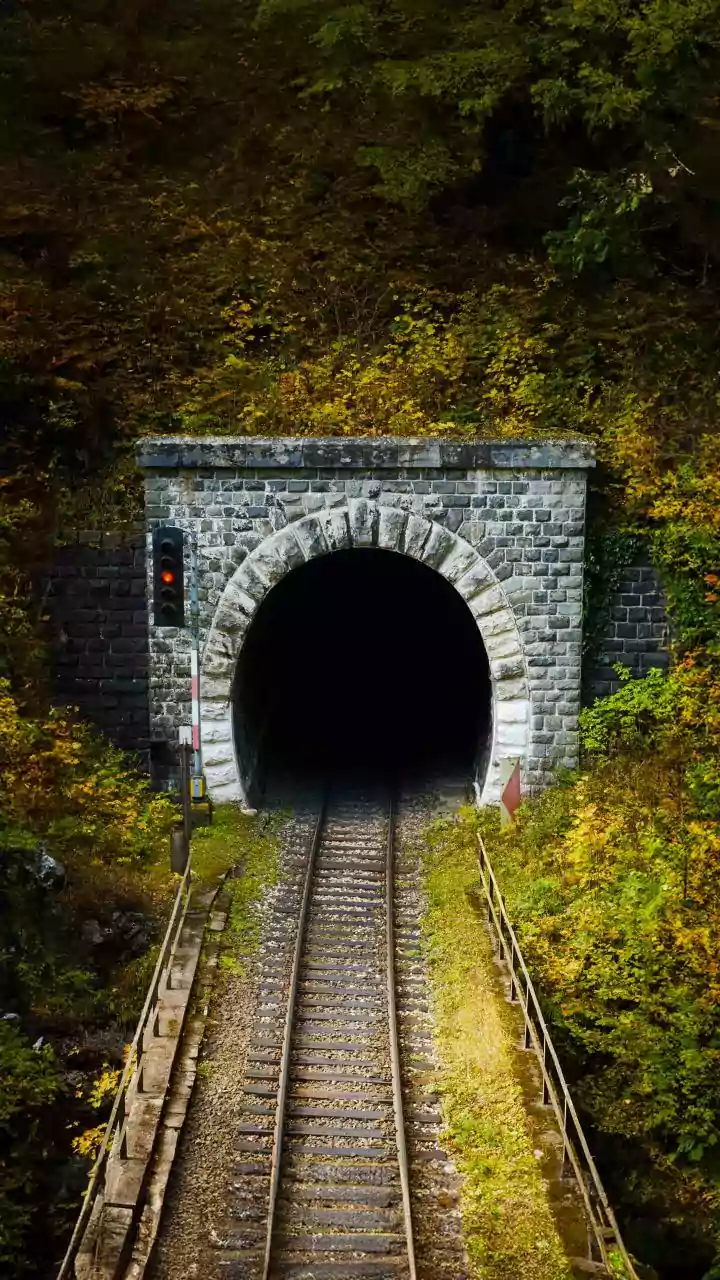
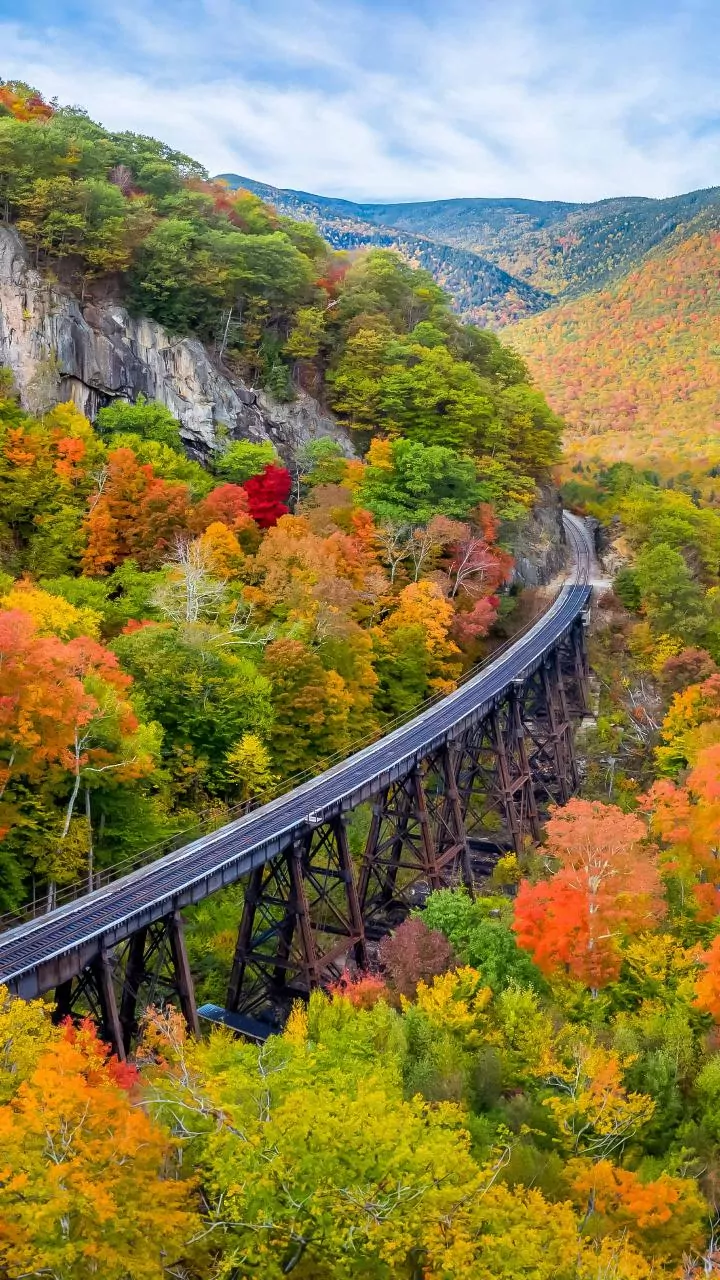
Built to connect the British summer capital of Shimla to the main railway network, the Kalka-Shimla Railway is an epic of construction. Opened in 1903, this 96-kilometre line navigates a staggering 919 curves, crosses over 850 bridges, and passes through 102 tunnels. The Barog Tunnel, the longest on the route, stretches for over a kilometre. Each bridge and tunnel is a testament to the perseverance of the engineers and labourers who built it over a century ago. The journey offers panoramic views of the Shivalik Hills, winding through pine forests and charming hillside villages. The original station buildings are still in use, adding to the route's historic charm.