







From Predator to Partner
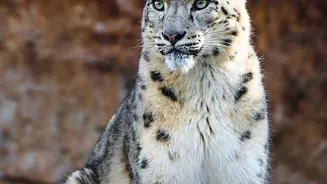
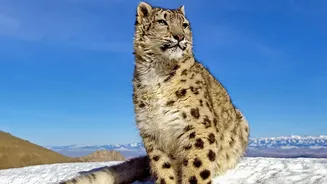
For generations, the relationship between Ladakhi communities and the snow leopard, or 'Shan' in the local language, was one of conflict. These magnificent predators would often prey on the livestock that pastoral families depend on, leading to retaliatory
killings and a deep-seated view of the cat as a pest. However, a paradigm shift is underway. Conservation organisations and, more recently, the local administration have fostered a new approach that repositions the snow leopard from a liability to a valuable asset. The core idea is simple but powerful: if local communities can derive economic benefits from protecting the snow leopard, they will become its most dedicated guardians. This has paved the way for a unique brand of ecotourism where seeing a snow leopard in the wild is not just a tourist's dream, but a community's livelihood.
The Community-Centric Model in Action
The model revolves around community-based initiatives that ensure tourism revenue directly benefits the people living in the snow leopard's habitat. One of the most successful components is the Himalayan Homestays program, pioneered by the Snow Leopard Conservancy India Trust (SLC-IT) since the early 2000s. This program encourages families in remote villages like Ulley, Rumbak, and Shang to convert parts of their homes into comfortable lodgings for tourists. Visitors get an authentic cultural experience, while local families, particularly women, earn a significant income. Men often find employment as expert trackers and guides, using their deep-rooted knowledge of the mountains to lead expeditions. To ensure the benefits are shared, a portion of the homestay income—often around 10%—is pooled into a village conservation fund used for community projects like waste management and habitat maintenance.
A Formal Push for Livelihoods
Recognising the success of these grassroots efforts, the Ladakh administration launched India's first official high-altitude Snow Leopard Safari in late 2026. This initiative aims to formalise and regulate tourism, preventing issues like illegal off-roading that can disturb the fragile ecosystem. By flagging off specially designed safari vehicles and training local youth as drivers and guides, the program creates structured employment. The safari routes are carefully planned across areas like Hemis National Park and the Changthang Wildlife Sanctuary to maximise sightings while minimising disturbance. According to the administration, the goal is not just to boost tourism but to create a model where conservation becomes an economic opportunity for all, from a guide who earns from a sighting to a woman who sells conservation-linked handicrafts.
Conservation as an Economic Consequence
The economic incentives have had a direct and positive impact on snow leopard conservation. With new income streams from tourism, the financial blow from livestock loss is lessened. This is further supported by programs that help build predator-proof corrals, drastically reducing human-wildlife conflict. In areas with established community tourism, retaliatory killings of snow leopards have become a thing of the past. Villages have even been known to voluntarily set aside grazing land for the snow leopard's natural prey, like the blue sheep and ibex, to ensure a healthy ecosystem that will continue to attract the cats and, consequently, the tourists. This creates a virtuous cycle: more wildlife leads to better tourism, which in turn generates more funds and motivation for conservation.
Navigating the Challenges Ahead
Despite its successes, this model is not without challenges. The surge in tourism in Ladakh has raised concerns about its environmental impact, including water scarcity, waste management, and pollution from vehicles. There is a risk that the economic benefits could be cornered by larger operators or certain families, leading to inequality within communities. The key to long-term success lies in what officials call 'high-value, low-impact' tourism. This means strictly regulating visitor numbers, ensuring equitable benefit sharing, and empowering local communities to be active partners in managing tourism in their own backyards. The goal is to ensure that the quest for the snow leopard enriches the region without consuming it.