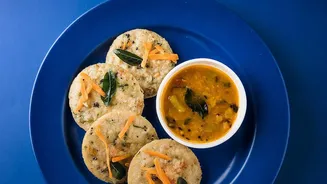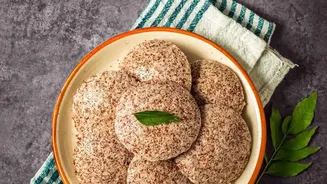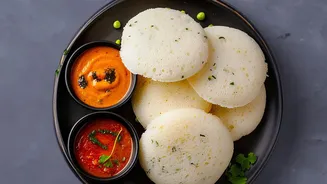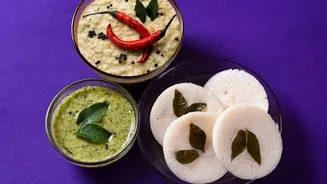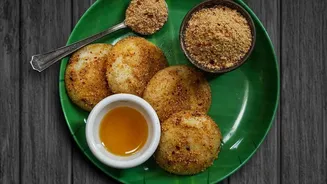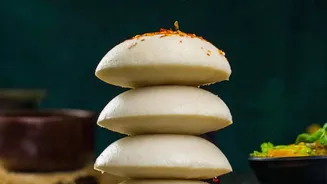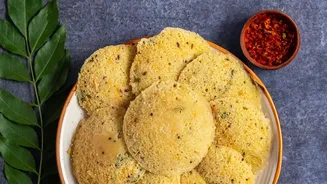



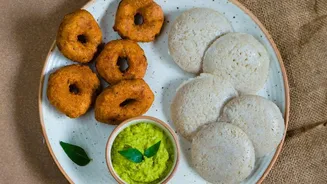
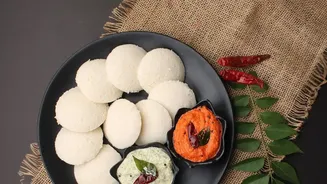
The humble idli, soft and unassuming, is a South Indian breakfast staple. But with a quick toss in a fragrant spice mix known as podi, it transforms into a flavour-packed dish. Here’s how to master this simple yet game-changing makeover.
The Magic of 'Gunpowder'
Before the makeover,
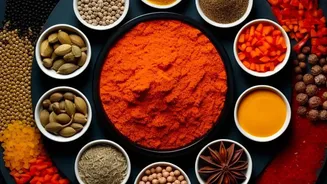
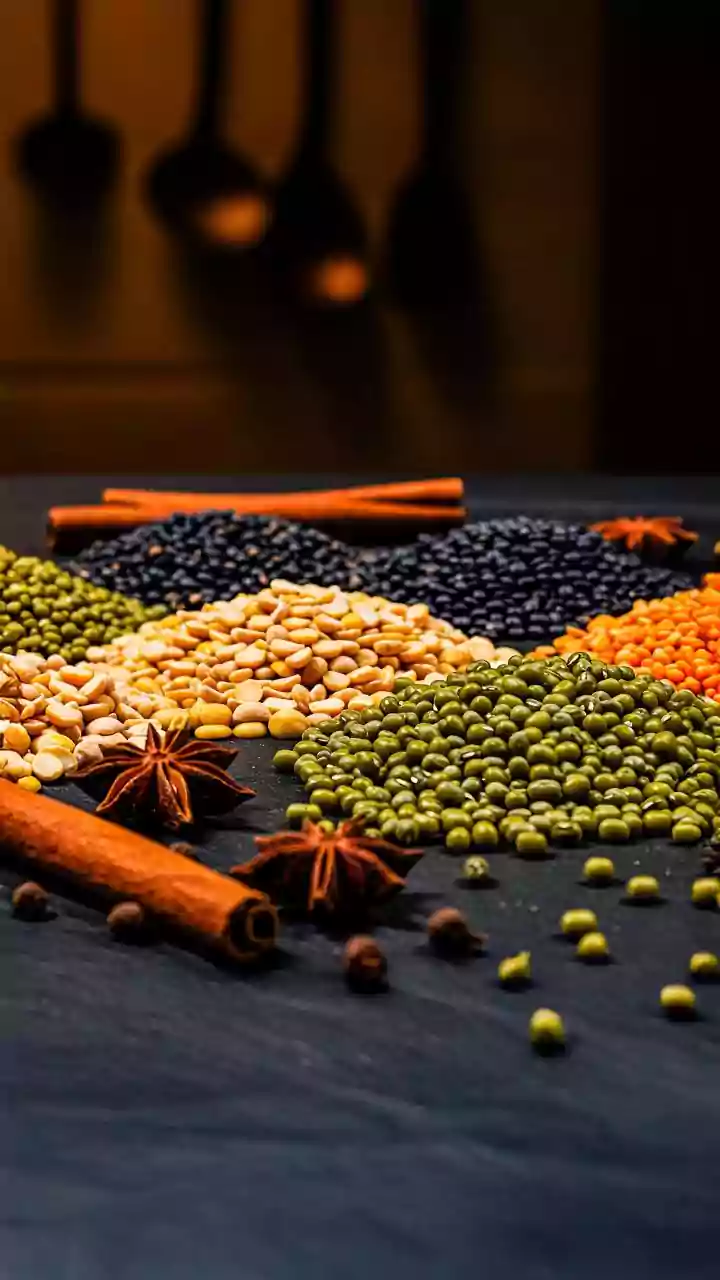
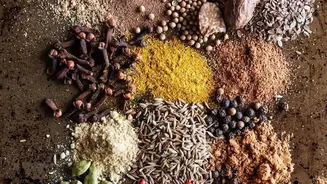
let's get acquainted with the star of the show: podi. The word literally means 'powder' in several South Indian languages. Often called 'gunpowder' for its explosive flavour, podi is a dry, coarse spice blend that is a fixture in most South Indian kitchens. While recipes vary from one family to the next, the base is typically a mix of roasted lentils (like urad dal and chana dal), dried red chillies, and other spices such as sesame seeds or asafoetida. These ingredients are roasted separately to bring out their unique aromas and then ground together. The result is a nutty, spicy, and deeply aromatic powder used to elevate everything from dosa to a simple plate of rice with ghee.
The Key Qualification: Firm Idlis Are Your Friend
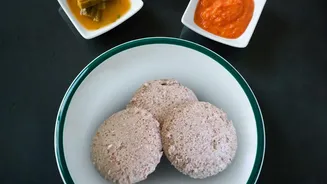
Here is the single most important factor for a successful podi idli: the idlis themselves must be firm. If you use freshly steamed, piping hot, and pillowy soft idlis, they are likely to break apart and turn mushy when you toss them with the podi. The goal is for each piece to remain intact, allowing the podi to coat the outside evenly. Many cooks recommend using leftover idlis, as they tend to be firmer. If you don't have leftovers, there's a simple trick: once your idlis are steamed, let them cool down completely. For even better results, you can refrigerate them for about 15 to 30 minutes before tossing. This brief chilling period helps them firm up just enough to withstand the mixing process without crumbling.
Size and Shape Matter
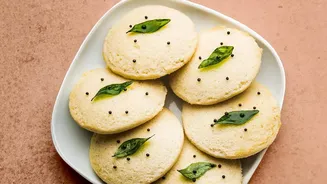
While you can certainly make podi idli with regular-sized idlis, mini idlis are often preferred for this dish, and for good reason. Their small, bite-sized shape offers a better surface-area-to-volume ratio, meaning more of that delicious podi coating in every bite. They are also easier to toss and serve, making them a popular choice in restaurants and for kids' lunchboxes. If you don’t have a mini idli mould, don't worry. You can simply use regular idlis and cut them into bite-sized cubes before you begin. The key is to ensure the pieces are uniform so they cook and get coated evenly.
The Perfect Toss: A Simple How-To
Making podi idli is wonderfully straightforward. Start by heating your fat of choice in a pan—ghee or gingelly (sesame) oil are the traditional and most flavourful options. Many recipes include a basic tempering of mustard seeds and curry leaves for an extra layer of aroma. Once the mustard seeds splutter, you add your firm, cooled idlis to the pan. Sprinkle the podi generously over them, add another drizzle of ghee or oil, and toss everything together over a medium-high flame. The idea is to quickly and evenly coat the idlis, letting them get slightly toasted without becoming dry. The whole process takes just a few minutes, resulting in a dish that’s ready almost instantly.
Choosing Your Podi and Fat
There isn't just one type of podi. While classic 'idli podi' made from lentils and chillies is the go-to, there is a whole world of these spice powders. Some popular variations include podis made with curry leaves, peanuts, or flaxseed. Each one brings a different flavour profile to the dish, so feel free to experiment. The choice between ghee and gingelly oil is a matter of personal preference. Ghee lends a rich, nutty flavour, while gingelly oil provides its own distinct, aromatic nuttiness that is central to many South Indian preparations. Some cooks even use a combination of both to get the best of both worlds.