


Loktak Lake, Manipur: Canoes on a Floating World
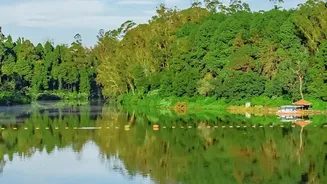
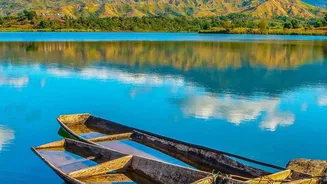
Manipur's Loktak Lake is famous for its 'phumdis'—large, floating islands made of vegetation and soil. These phumdis are so stable that local fishermen build their homes, or 'phumsangs', on them. The primary mode of transport here is the traditional slender
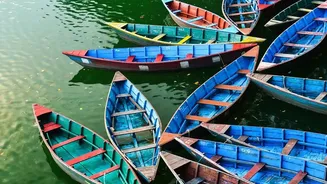
canoe. Visitors can hire one of these boats for a peaceful ride through the waterways that crisscross the lake. A boat trip offers a close-up view of this unique ecosystem and the daily lives of the fishing communities. Boating is a key attraction, allowing you to navigate between the floating masses and witness the serene beauty of the largest freshwater lake in Northeast India. Nearby, the Keibul Lamjao National Park, the world's only floating national park, exists on a large phumdi and is the last natural habitat of the endangered Sangai deer.
Umiam Lake, Meghalaya: A Hub of Water Sports
Often one of the first sights for visitors entering Meghalaya from Assam, Umiam Lake is a vast man-made reservoir also known as Barapani. It has become Shillong's primary centre for water sports. Unlike the traditional, subsistence-based boating on Loktak, Umiam offers a wide range of recreational options. Tourists can choose from paddle boats, water scooters, speedboats, and even large cruising boats. This makes it a popular destination for both adventure seekers and families looking for a leisurely day out. While the experience is more commercial, with organised boating points and set prices, the surrounding pine-clad hills provide a stunning backdrop to any activity on the water.
Dawki River, Meghalaya: The Illusion of Floating
The Umngot River in Dawki is famed for its crystal-clear water, which, during the dry months from November to May, becomes so transparent it creates the illusion that boats are floating in mid-air. The vessel of choice here is the simple wooden country boat, rowed by a local boatman. A ride on the Umngot is a serene, almost surreal experience, as you glide over the riverbed visible many feet below. The area is located near the India-Bangladesh border, and the boat ride offers views of the international boundary. Shnongpdeng, a village just upstream from the main Dawki town, is often recommended for a cleaner and less crowded boating experience. Boating is the main activity here, and permissions are handled by local operators at designated entry points.
Majuli, Assam: The Indispensable Ferry
For Majuli, the world's largest river island, boats are not just for tourism—they are a fundamental part of life. The island is accessible only by ferry from Nimati Ghat near Jorhat, making the boat journey itself an integral part of the Majuli experience. These large, slow-moving ferries carry everything from people and motorcycles to cars and essential supplies. Besides the main ferries, smaller wooden boats, sometimes motorised and known locally as 'bhutbhuti', are used for shorter crossings and fishing along the Brahmaputra's banks. While not a 'boating lake' in the recreational sense, no visit to Majuli is possible without relying on these vital watercraft, which connect the island's unique Vaishnavite monasteries and tribal villages to the mainland.
Gurudongmar Lake, Sikkim: A Sacred Lake with No Boats
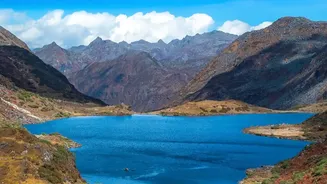
At an altitude of over 17,000 feet, Gurudongmar Lake in North Sikkim is one of the highest lakes in the world. Its breathtaking beauty lies in its stark, high-altitude setting and crystal-clear, sacred waters. It is crucial for visitors to know that boating of any kind is strictly prohibited here. The lake is considered sacred by both Buddhists and Sikhs, and its fragile ecosystem is protected. Access to the lake itself is tightly controlled, requiring a Protected Area Permit (PAP) arranged through a registered tour operator, and is only open to Indian citizens. The extreme altitude also means visitors are advised to spend only a short amount of time at the lake to avoid altitude sickness. So, while it's a prominent lake, it's one to be appreciated purely from its pristine shores.