

The Foundation: Perfecting Hung Curd
The journey to a flawless Dahi Kebab begins and ends with the quality of your curd. Regular dahi, or yogurt, is far too watery and will result in a mixture that is impossible to shape and will fall apart during frying. The non-negotiable first step is creating
hung curd. To do this, place fresh, thick, full-cream curd into a muslin or cheesecloth. Tie the cloth, hang it over a bowl, and let it drain for at least 4-5 hours, though for the best, firmest results, refrigerating it overnight with a weight on top is ideal. The goal is to remove every last drop of whey, leaving you with a thick, almost cheese-like consistency. This concentrated curd provides the creamy texture and structure necessary to hold the kebab together. Using curd that is even slightly sour will overpower the delicate flavours, so always start with fresh dahi.
Building Flavour and Structure
With your perfect hung curd ready, the next step is to introduce flavours and, crucially, a binding agent. While hung curd is the star, it needs support. Finely chopped onions, ginger, green chillies, and fresh coriander are classic additions that provide a fresh, aromatic lift. To absorb any residual moisture and ensure the kebabs hold their shape, a binding agent is essential. Roasted gram flour (besan) is a traditional choice that adds a nutty flavour. Other excellent options include breadcrumbs or grated paneer, which not only bind but also enhance the creamy texture. Many successful recipes use a combination of paneer and a flour-based binder. A common mistake is adding salt too early, which draws water out of the onions and makes the mixture wet. Mix all your dry ingredients and vegetables first, adding salt at the very end just before shaping.
The Critical Step: Chilling the Mixture
Herein lies a secret that separates frustrating failures from triumphant successes: you must chill the mixture. Once all your ingredients are combined, cover the bowl and refrigerate it for at least 30 minutes to an hour. Some recipes even recommend freezing the shaped patties for a short while before frying. This step is transformative. Chilling allows the fats in the paneer and curd to solidify and the binders like besan or breadcrumbs to fully absorb any excess moisture. The result is a much firmer, less sticky mixture that is significantly easier to handle and shape. Attempting to shape a room-temperature dahi kebab mixture is often a sticky, messy affair that leads to misshapen patties that are more likely to break in the pan. Patience at this stage is a key ingredient.
The Art of Shaping
Now for the hands-on part. Lightly greasing your palms with a bit of oil or ghee is the simple trick mentioned in the headline that makes all the difference. This creates a non-stick barrier between your warm hands and the delicate, chilled mixture, preventing it from sticking to your skin and allowing you to form smooth, even patties. Take a portion of the chilled mixture and gently roll it between your palms to form a ball, then flatten it into a patty of your desired thickness. Handle them gently; pressing too hard can make the kebabs dense and cause them to crack. If you find the mixture is still too soft, you can roll the shaped patties in a light coating of breadcrumbs or cornflour, which adds an extra layer of security and promotes a crispier exterior.
Frying to Golden Perfection
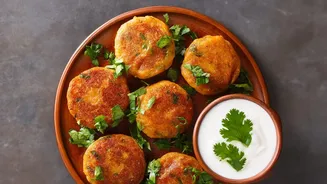
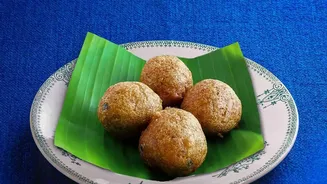
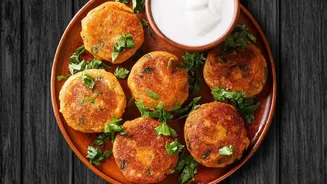
The final hurdle is the frying, and temperature control is everything. Use a heavy-bottomed pan and heat the oil over a medium flame. If the oil is too hot, the outside will burn before the inside has a chance to set, causing the kebab to crumble when you try to flip it. If the oil isn't hot enough, the kebabs will absorb too much oil and become greasy. Place the shaped patties gently into the hot oil, ensuring you don't overcrowd the pan. Fry them for a few minutes on one side until they form a golden-brown crust. Only then should you attempt to flip them, using a gentle touch. Continue to fry on the other side until uniformly golden and crisp. Drain the finished kebabs on a paper towel to remove any excess oil before serving.