


A Tale of Two Grains
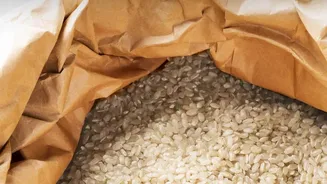
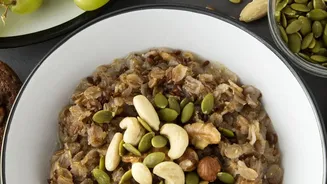
On one side, we have ragi, a grain deeply woven into India's culinary fabric for centuries. Known as finger millet, this hardy crop has been a staple food in many parts of the country, especially in the south. It's respected for its resilience, affordability,
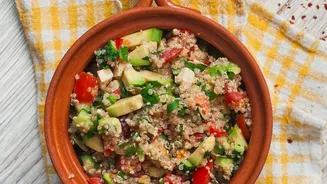
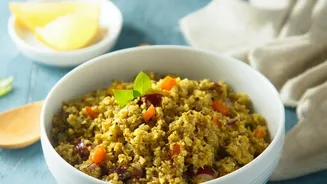
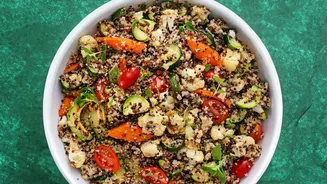
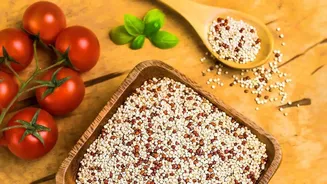
and a nutritional profile that has sustained generations. On the other side is quinoa, a grain-like seed from the Andes mountains of South America. Propelled by global health trends, quinoa has earned the title of 'superfood' and found its way into upscale cafes and kitchens worldwide, celebrated for its unique properties.
The Fibre Face-Off: A Clear Winner
When it comes to dietary fibre, the primary focus of our comparison, there is a clear and important difference. Ragi is the undisputed champion in this category. A 100-gram serving of ragi flour typically packs around 11 to 11.5 grams of dietary fibre. In contrast, the same amount of uncooked quinoa offers about 7 grams of fibre. This higher fibre content in ragi, primarily insoluble fibre, is a significant advantage for digestive health. It adds bulk to stool, aids regular bowel movements, and promotes a feeling of fullness, which can be beneficial for weight management by curbing overeating. While quinoa's fibre content is still respectable, ragi's superior quantity gives it a distinct edge for anyone specifically looking to boost their daily fibre intake.
Protein Power Versus Calcium King
The nutritional story gets more nuanced when we look beyond fibre. Here, quinoa plays its trump card: protein. Quinoa is a 'complete protein', meaning it contains all nine essential amino acids that our bodies cannot produce on their own. With about 14 grams of protein per 100 grams, it is an excellent choice for vegetarians and vegans looking for high-quality protein sources. Ragi, while still offering a decent 7 to 9 grams of protein, is not a complete protein. However, ragi has its own superpower: calcium. Finger millet is one of the richest plant-based sources of calcium, providing a remarkable 344mg per 100g. This is nearly eight times more than the 47mg found in quinoa, making ragi an outstanding food for bone health, particularly for children, the elderly, and women.
Impact on Blood Sugar and Overall Health
Both grains are excellent choices for managing blood sugar levels, thanks in large part to their fibre content. The fibre slows down the absorption of carbohydrates, preventing sharp spikes in blood glucose. Both ragi and quinoa have a low glycemic index (GI), a measure of how quickly a food raises blood sugar. This makes them highly suitable for individuals with diabetes or those looking to maintain stable energy levels throughout the day. Furthermore, ragi is rich in antioxidants and iron, which can help combat anaemia. Quinoa also brings its own set of antioxidants and micronutrients, contributing to overall well-being.
The Practical Plate: Cost and Cooking
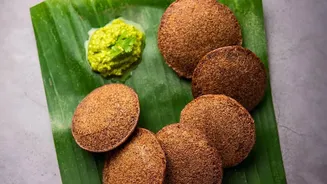
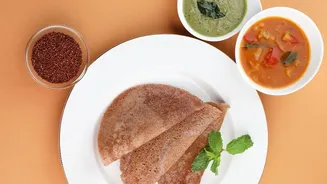
For the average Indian household, practical considerations like cost and versatility are crucial. Ragi is a clear winner on affordability. As a locally grown crop, it is widely available across the country at a fraction of the cost of imported quinoa. It's a familiar ingredient used to make rotis, dosas, porridge (kanji), and baked goods. Quinoa, being a premium, imported product, is significantly more expensive. Its versatility shines in modern dishes like salads, pilafs, and breakfast bowls, where its fluffy texture and slightly nutty flavour are highly prized. While it can be substituted for rice or dalia, its cost can be a barrier to making it a daily staple.