





A Familiar Shape, A Different World
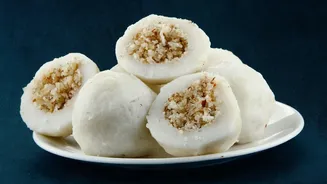
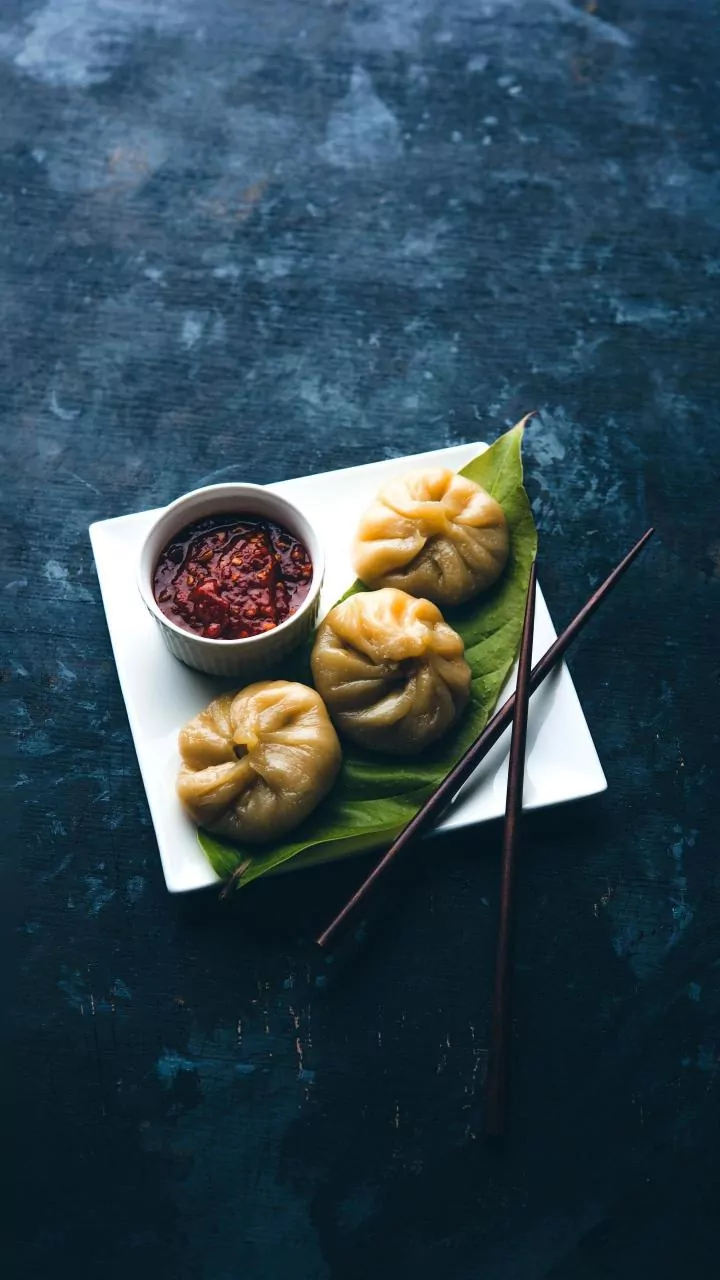
For anyone in India, the form is instantly recognisable: a soft, rounded base tapering to a pleated peak. It’s the iconic shape of the modak, the beloved sweet dumpling synonymous with Ganesh Chaturthi. Yet, this particular confection hails from Japan.
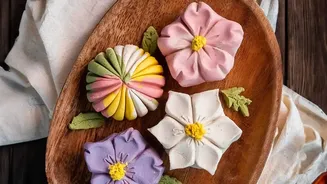
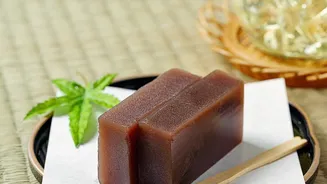
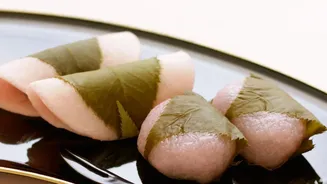
It belongs to a category of artistic sweets known as 'wagashi'. While one specific type, a deep-fried sweet called Kangidan, is offered to the Japanese equivalent of Ganesha, the more common modak-like sweets are a type of 'namagashi' (fresh confectionery), often called 'nerikiri'. These are edible sculptures, reflecting a different culinary philosophy, set of ingredients, and cultural purpose, proving that appearances can be delightfully deceptive.
An Introduction to Wagashi
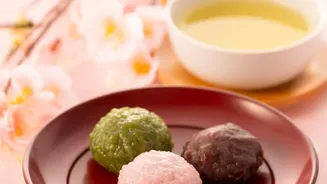
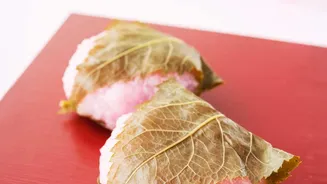
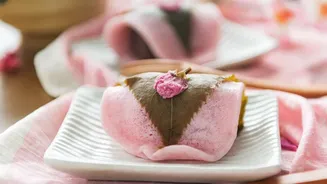
Wagashi are traditional Japanese confections that are as much a feast for the eyes as they are for the palate. Unlike the rich, dairy-heavy sweets common in many parts of the world, wagashi are typically plant-based, made from ingredients like rice flour, sugar, and various beans. Their history is ancient, evolving over centuries from simple fruit and nuts to the refined, sophisticated forms we see today, heavily influenced by the customs of the Japanese tea ceremony. Wagashi are designed to engage all five senses and, most importantly, to reflect the changing seasons. The shapes, colours, and even flavours of wagashi change throughout the year to mirror nature, from cherry blossoms in spring to golden maple leaves in autumn.
The Heart of the Sweet: Anko vs. Coconut
Herein lies a fundamental difference. A traditional steamed modak (ukadiche modak) holds a warm, moist filling of freshly grated coconut and jaggery. Wagashi, on the other hand, is almost always built around 'anko', a sweet paste made from boiled and mashed beans, most commonly azuki (red beans). This paste can be smooth (koshian) or coarse (tsubuan) and provides a delicate, earthy sweetness. The outer layer, which gives nerikiri its signature sculptural quality, is made from a dough of sweetened white bean paste (shiro-an) mixed with a small amount of 'gyuhi' (a soft form of mochi) or Japanese yam to give it a pliable, clay-like consistency.
The Key Qualification: An Art of Mastery
While making modaks at home is a cherished tradition, creating high-level wagashi, especially the intricate 'jo-namagashi' served at tea ceremonies, is a highly respected profession. This brings us to the key qualification mentioned in the headline: the artisan's skill. Becoming a wagashi craftsman is a long journey that requires years of dedicated training to master the art of flavour balancing, colour mixing, and shaping techniques. Titles like 'Excellent Wagashi Artisan' are official recognitions of immense skill, held by only a small number of masters in Japan. These artists learn to carve, shape, and press the bean paste dough by hand and with special tools to create stunningly detailed representations of nature. This level of formalised craft and the years of apprenticeship are what truly set these confections apart. It is not just a recipe, but a protected and celebrated art form.