






The Heart-Healthy Promise of Sesame
Sesame seeds (til) have long been celebrated in traditional medicine and modern wellness circles as a nutritional powerhouse. They are packed with protein, healthy fats, fibre, vitamins, and minerals. The primary health claims often centre on their potential
to improve heart health. This is largely attributed to their unique compounds, including lignans like sesamin and sesamolin, as well as vitamin E, which possess antioxidant and anti-inflammatory properties. The theory is that these compounds can help combat oxidative stress and inflammation, which are known contributors to cardiovascular diseases. Proponents suggest that regular consumption can lead to lower cholesterol, reduced blood pressure, and a decreased risk of heart disease.
A Closer Look at Cholesterol and Triglycerides
One of the most common claims is that sesame helps lower bad cholesterol. However, the scientific evidence here is not clear-cut. Some meta-analyses of clinical trials found that sesame consumption did not significantly reduce total cholesterol or LDL (low-density lipoprotein), often called "bad" cholesterol. One 2016 review concluded there was insufficient evidence to support a cholesterol-lowering effect. However, other analyses, particularly those focusing on sesamin supplements or specific patient groups like those with diabetes, have shown significant reductions in total and LDL cholesterol. Interestingly, there is more consistent evidence for sesame's effect on triglycerides (a type of fat in the blood). Multiple analyses have found that sesame consumption, particularly sesame oil, can lead to a significant reduction in triglyceride levels. This is an important finding, as elevated triglycerides are considered an independent risk factor for heart disease.
The Blood Pressure Question
The case for sesame’s role in managing blood pressure appears somewhat stronger. Several systematic reviews and meta-analyses have reported that sesame supplementation can lead to a reduction in both systolic and diastolic blood pressure. The magnesium content in sesame seeds, along with compounds like lignans and vitamin E, may contribute to this by helping prevent plaque buildup and supporting blood vessel health. However, even here, there is nuance. Some analyses noted that when they only included the highest-quality studies, the effect on diastolic blood pressure was no longer statistically significant, though the positive effect on systolic pressure remained. This highlights that while the trend is positive, the overall quality and consistency of the research play a big role in the conclusions.
Why the Evidence Is 'Mixed'
The reason for these seemingly contradictory findings lies in the research itself. Many studies on sesame and heart health have limitations. A recent meta-analysis from 2025, while finding apparent improvements in several cardiovascular risk factors, rated the overall evidence as "very low." This was due to high variability between studies (heterogeneity), small sample sizes, and other methodological issues. The form of sesame used (whole seeds, oil, or concentrated sesamin extracts), the dosage, and the duration of the studies all vary widely, making it difficult to draw firm conclusions. For example, some effects were seen with sesame oil but not with ground seeds. Many studies were also short-term, so the long-term benefits remain less certain. This inconsistency is why headlines making strong, unqualified claims can be misleading; they often overlook the caveats clearly stated by the researchers themselves.
The Sensible Way to Enjoy Sesame
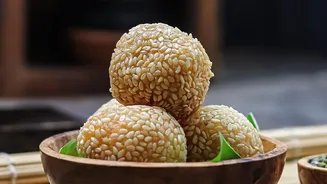
So, where does this leave us? While sesame seeds may not be the miracle cure for heart disease, they are undeniably a nutritious addition to a balanced diet. They are a good source of healthy unsaturated fats, protein, fibre, and important micronutrients. The key is to see them as part of a bigger picture rather than a single solution. Incorporating sesame seeds or sesame oil into your cooking is a positive dietary choice, but it cannot replace a foundation of a healthy lifestyle that includes a varied diet rich in fruits and vegetables, regular physical activity, and avoiding smoking. Enjoying them in chutneys, as a garnish on sabzis, or in traditional sweets like gajak and revari is a great way to benefit from their nutritional profile without expecting them to work like a medicine.