








A Surprise Bloom in 2026
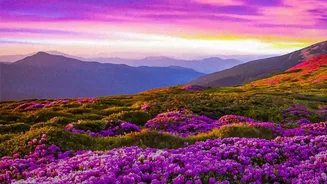
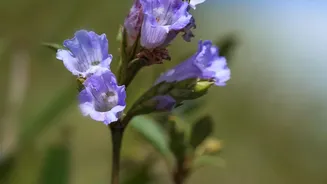
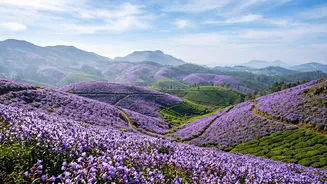
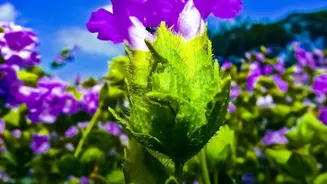
While the most widespread and famous Neelakurinji bloom last occurred in 2018, with the next one anticipated in 2030, a different cluster of these unique shrubs is currently in full flower. Reports from September 2026 confirm that hillsides near Munnar,
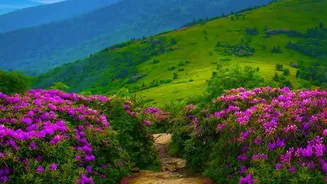
particularly around the Chokramudi and Mattupetty-Korandakkad areas, are carpeted in the signature purplish-blue blossoms. This isn't an early arrival of the 2030 event. Instead, it’s a separate population of the same species, Strobilanthes kunthiana, that operates on its own 12-year clock. This specific group last flowered in 2014, making 2026 its scheduled year to burst into life.
The Science of a Synchronised Spectacle
Neelakurinji, which translates from Malayalam as ‘blue flower’, is a shrub endemic to the high-altitude shola grasslands of the Western Ghats. The plant is a plietesial, a term for species that flower at long intervals. Its fame comes from a phenomenon called gregarious flowering, where thousands of shrubs in a population bloom simultaneously after completing their long life cycle. After this mass flowering, which typically lasts from August to October, the plants die, leaving behind seeds that will lie dormant before beginning the next 12-year cycle. This synchronised strategy is believed to be a survival mechanism, overwhelming seed predators with sheer volume.
More Than Just a Flower
The bloom is deeply embedded in the region's culture and ecology. The name of the Nilgiri Hills, or ‘Blue Mountains’, is widely believed to be inspired by the carpets of Neelakurinji that historically covered them. The flower also plays a vital role in the ecosystem, providing a sudden abundance of nectar for bees and butterflies. For the local Paliyan tribal community, the flower was traditionally used to calculate their age. However, this natural wonder is facing significant threats. In 2024, Strobilanthes kunthiana was added to the IUCN Red List as a threatened species, highlighting its vulnerability.
The Double-Edged Sword of Tourism
The spectacle of the bloom draws hundreds of thousands of tourists, providing a major economic boost to the region. The 2018 bloom saw an enormous influx of visitors, but this also brought challenges like traffic congestion, plastic waste, and the trampling of the fragile habitat. Learning from the past, authorities are taking steps to manage the current 2026 bloom and prepare for the larger event in 2030. Measures include carrying-capacity studies to limit visitor numbers in sensitive areas like Meesapulimala and the development of mobile apps for booking viewing slots. The goal is to strike a balance between allowing people to witness the beauty and protecting the ecosystem that creates it.
Latest Developments: A Call for Responsible Viewing
The current 2026 bloom has already highlighted the ongoing conflict between tourism and conservation. In early September 2026, forest officials took legal action against individuals who plucked the protected flowers to create bouquets and flower crowns for social media photos. Destroying the plant is prohibited and carries penalties, including fines and potential imprisonment. Officials have issued strict warnings, urging visitors to stay on designated paths and appreciate the bloom without touching or damaging the plants. These incidents serve as a stark reminder that the future of this rare phenomenon depends heavily on responsible and respectful tourism.