


The Core Difference: Processing and Colour
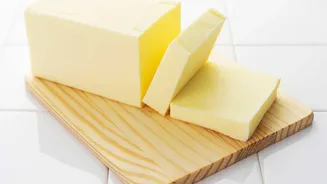
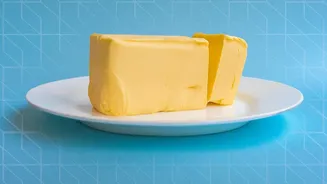
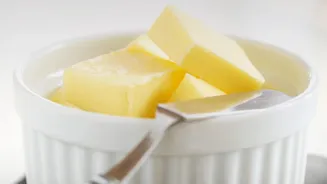
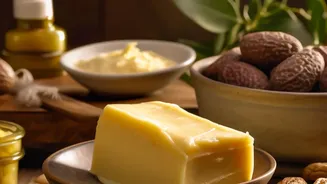
The most fundamental difference between homemade white butter and commercial yellow butter lies in their production. White butter is typically made at home by churning malai (fresh cream) until the fat separates from the buttermilk. It is unprocessed,
contains no additives, and its colour is naturally pale. This is often because it's made from the milk of grain-fed cows or buffaloes. Commercial yellow butter, on the other hand, is produced in factories. Its distinct yellow colour often comes from beta-carotene, a pigment found in the grass that pasture-fed cows eat. Some manufacturers may also add colouring. Most importantly, commercial butters often contain preservatives to increase shelf life and added salt for flavour.
The Salt Factor: A Clear Advantage for Homemade
Perhaps the most significant health difference is the sodium content. Homemade white butter is naturally unsalted. In contrast, most commercial yellow butters are salted, and the amount can vary between brands. For individuals monitoring their blood pressure or overall sodium intake, this gives homemade butter a clear edge. While you can buy unsalted yellow butter, the default version on most shelves is salted. By making butter at home, you have complete control over the salt content, which is a major benefit for heart health.
Calories and Fat: A Closer Look
At their core, both white and yellow butter are concentrated sources of fat and calories. A tablespoon of either is calorically dense. Some sources suggest white butter may be slightly lower in calories, but both are high-fat foods. The primary fat in both is saturated fat. While some reports claim white butter has slightly less saturated fat, the difference is often minimal. The conversation around fat is nuanced; butter contains short-chain fatty acids like butyrate, which can be beneficial for gut health. However, health bodies like the American Heart Association recommend limiting saturated fat intake for cardiovascular health, meaning moderation is crucial regardless of which butter you choose.
Nutrient Profile: Vitamins and More
Butter is a source of fat-soluble vitamins, including A, D, E, and K. Proponents of homemade butter often point to its rich nutrient content. However, the nutritional profile is heavily influenced by the diet of the cow. Butter from grass-fed cows, which is typically more yellow due to higher beta-carotene levels, has been shown to be richer in healthy fats like omega-3s and Conjugated Linoleic Acid (CLA), as well as Vitamin K2. Since white butter is often made from the milk of grain-fed animals, it may have lower levels of these specific nutrients compared to a high-quality, grass-fed yellow butter. However, homemade butter from fresh cream retains enzymes and nutrients that might be diminished during the pasteurisation process of commercial production.
Health Claims vs. The Reality
Many health claims surround white butter, from aiding weight loss to boosting immunity and improving skin health. It is also thought to be easier to digest for some, potentially due to a lower lactose content compared to commercially processed butter. While the butyric acid in butter can support digestion, many of the broader health claims are linked to its vitamin content and the absence of salt and preservatives. The idea that white butter is a 'health food' can be misleading. It is still a fat, and overconsumption can contribute to weight gain and other health issues. The primary health benefits stem from it being a more natural, unprocessed product where you control the ingredients.