


Beyond the Beige
The era of the sterile, ultra-minimalist kitchen is fading. While neutral palettes were once seen as the epitome of sophistication and cleanliness, a growing number of urban homeowners are now viewing them as impersonal. The kitchen is the heart of the home,
a space for more than just cooking; it’s where families gather and conversations start. As such, people are seeking to make it a more expressive and welcoming environment. This shift is a move away from cookie-cutter designs towards spaces that reflect the unique tastes and personalities of the people who live in them. The all-white or grey kitchen, while clean, is giving way to designs that feel more curated, warm, and distinctly individual.
The Psychology of a Colourful Kitchen
The trend towards colourful kitchens isn't just about aesthetics; it's rooted in psychology. Colours have a powerful impact on our mood and emotions. Warm tones like yellows and terracottas can evoke feelings of happiness, optimism, and social energy, making the kitchen a more inviting hub for gathering. Cooler tones like greens and blues are known for their calming and balancing effects, creating a serene atmosphere for the often-chaotic process of cooking. In a post-pandemic world, there is a collective desire to create homes that are not just functional shelters but also sources of joy and comfort. A splash of a favourite colour on the cabinets or a backsplash is a direct way to inject that positive energy into a home's most-used room.
The New Indian Palette
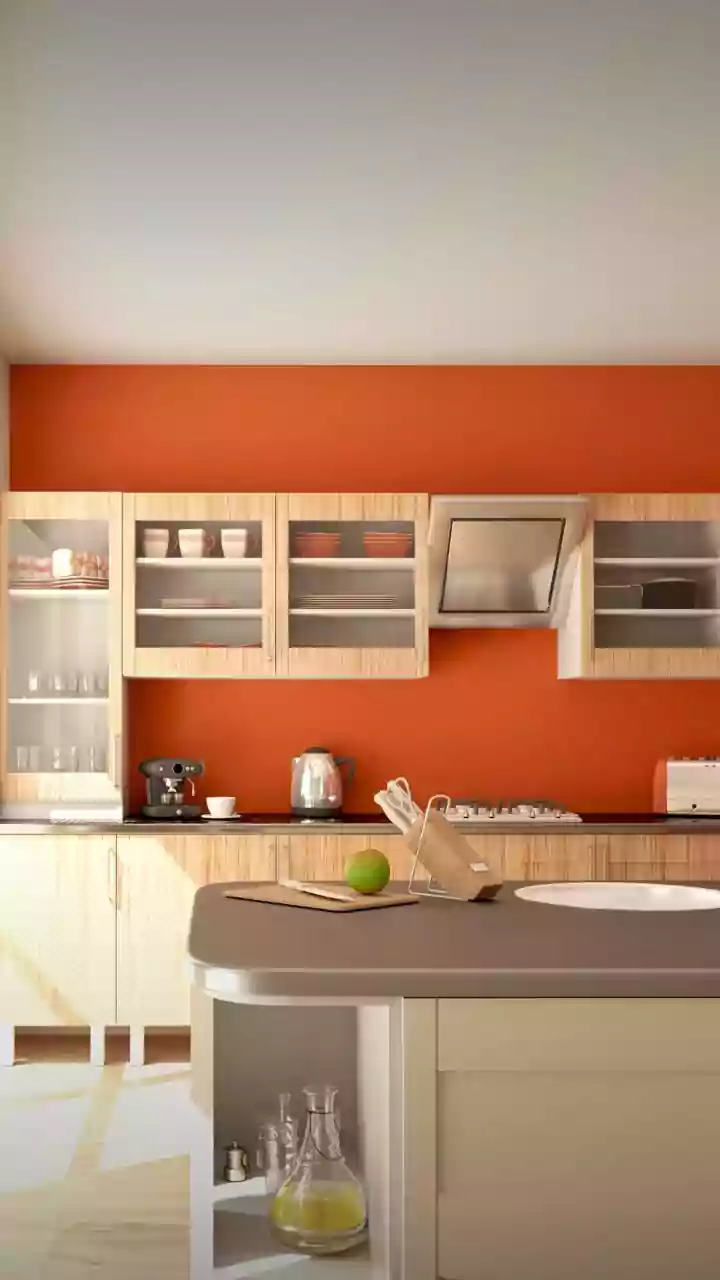
So, what colours are defining this new wave of Indian kitchens? Deep, earthy, and jewel tones are leading the charge. Moody greens like olive, sage, and deep forest green are incredibly popular, adding a touch of nature and calm. Rich blues, from classic navy to vibrant teal, are being used to create a sense of sophistication and depth. For those seeking warmth, earthy shades like terracotta and burnt orange bring a rustic, grounded charm that pairs beautifully with traditional Indian motifs and modern design alike. On the softer side, pastels like dusty rose and powder blue offer a gentle, airy feel, which can make smaller kitchens feel more spacious. Often, these colours are used in two-tone schemes—for example, dark lower cabinets paired with light upper ones—to create contrast without overwhelming the space.
Practicality in Every Pigment
The headline's claim of 'without sacrificing practicality' is crucial. This new love for colour is supported by advancements in materials that make vibrant kitchens durable and easy to maintain, a key concern in high-use Indian cooking environments. High-Density High Moisture-Resistant (HDHMR) boards and Boiling Waterproof (BWP) plywood form the robust core of modern cabinetry, ensuring longevity even in humid conditions. The colourful surfaces themselves are often high-gloss acrylics or durable laminates. Acrylic finishes offer a luxurious, reflective sheen that is scratch-resistant, while modern laminates are available in a vast array of colours and textures, offering a cost-effective and highly durable option. These materials are easy to wipe clean, resisting oil stains and masala splatters, ensuring the kitchen looks fresh for years.
How to Embrace the Trend
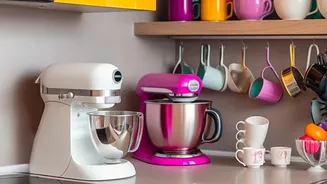
Committing to a full-colour kitchen can feel daunting. However, there are several ways to dip a toe into this trend. A popular entry point is the two-tone cabinet approach, where a bold colour is used for the lower cabinets while the upper ones remain neutral. Another strategy is to create a single statement feature, like a colourful kitchen island or a vibrant backsplash made of patterned tiles. Even smaller touches, like painting a pantry door, investing in colourful appliances, or adding open shelves to display vibrant cookware, can make a significant impact. The key is to balance the bold colour with neutral elements like countertops, walls, or floors to ensure the look is sophisticated and not overwhelming.