


A Global Shift on Local Menus
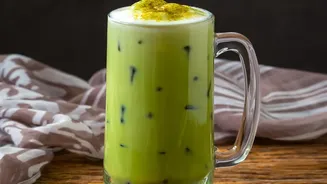
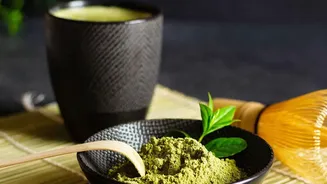
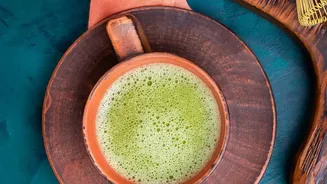
The Indian cafe scene has long been a story of evolution. From the simple espresso shot to the now-ubiquitous matcha latte, our tastes have grown more adventurous. This shift is accelerating, with cafe owners tapping into a growing curiosity for global
flavours that offer both novelty and comfort. Younger consumers, in particular, are driving this change, seeking out new experiences they can share and savour. Enter ube and hojicha, two ingredients that are steadily moving from niche Asian staples to promising new stars on menus across metropolitan India.
Ube: The Viral Violet Sensation
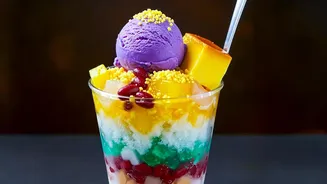
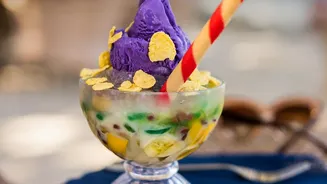
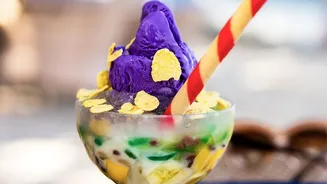
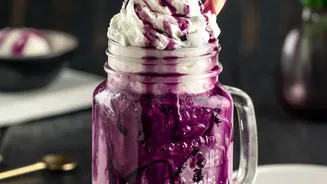
So, what is the purple ingredient taking over social media feeds? Ube (pronounced 'oo-beh') is a purple yam native to the Philippines, where it has been a dessert staple for centuries. Its flavour is surprisingly gentle and approachable: a mildly sweet, nutty taste often compared to vanilla, white chocolate, or pistachio. But its real superpower is its stunning, all-natural violet colour. In a world where food is often discovered visually, ube's photogenic quality makes it an instant hit. This visual appeal is what first draws customers in, according to cafe owners who have added it to their menus.
How India Is Enjoying Ube
Ube's versatility is a major reason for its growing presence. In India, it's appearing in everything from lattes and iced drinks to cheesecakes and gelato. Major chains like Starbucks have already introduced ube-based beverages, signalling its move towards the mainstream. At independent cafes in Mumbai, Delhi, and Jaipur, chefs are using ube powder and puree to create desserts that stand out both on the counter and on Instagram. Its approachable, dessert-like flavour means it has a very low barrier to entry for customers, unlike the more acquired taste of matcha. This makes it a safe yet exciting bet for cafes looking to innovate.
Hojicha: The Comforting, Toasty Tea
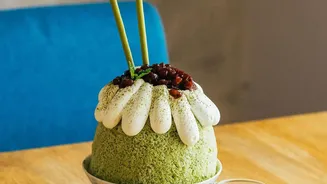
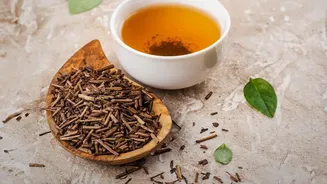
If ube is the vibrant newcomer, hojicha is its calm, sophisticated counterpart. Hojicha is a Japanese green tea that is roasted at a high temperature, a process that completely transforms its character. Instead of the grassy, sometimes bitter notes of other green teas like matcha, hojicha has a warm, nutty, and toasty flavour with hints of caramel. The roasting process also significantly reduces its caffeine content, making it a popular choice for an evening drink or for those sensitive to caffeine. This smooth, mellow profile makes it incredibly comforting and an easy introduction for those new to Japanese teas.
Finding a Warm Welcome in India
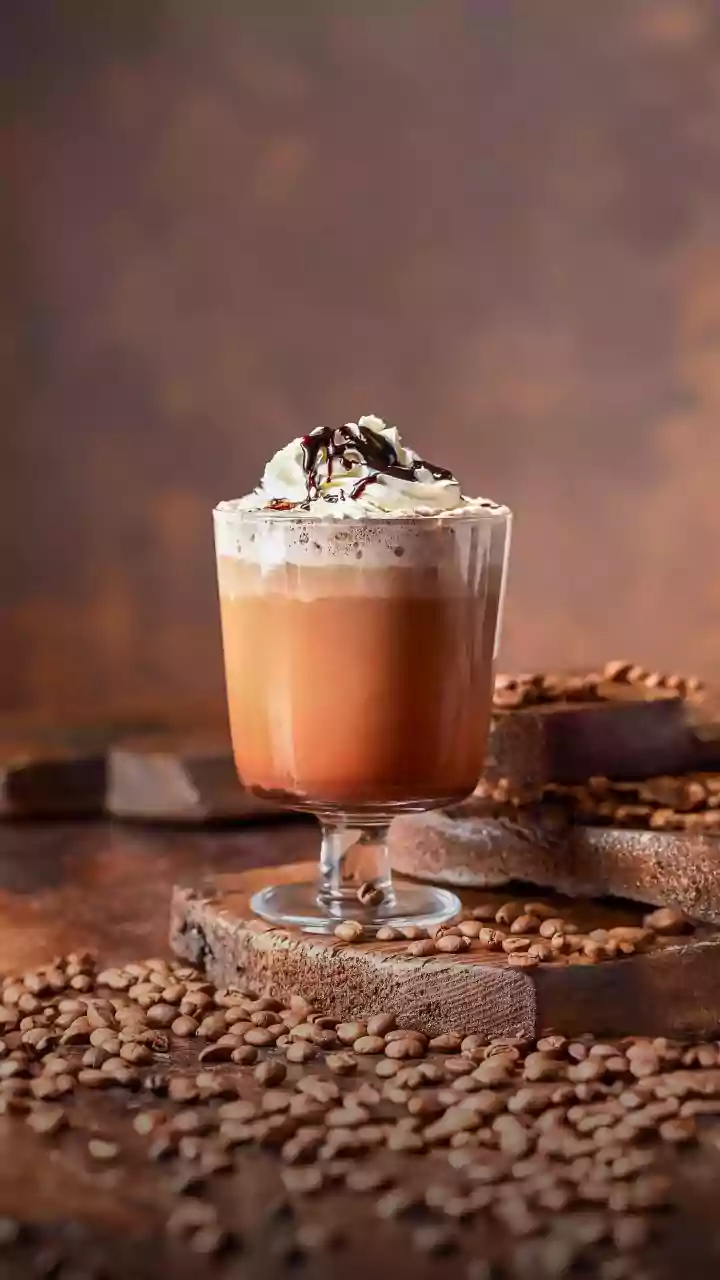
Much like ube, hojicha is gaining a foothold in Indian cafes as a soothing alternative to both coffee and traditional tea. It is primarily served as a latte, where its roasted notes pair beautifully with creamy milk. Cafes in Delhi, Mumbai, and Bengaluru are offering everything from classic hojicha lattes to more inventive drinks like a 'dirty hojicha', which combines the tea with a shot of espresso. Its comforting flavour profile resonates well with an Indian palate accustomed to roasted and malted tastes. As consumers look for wellness-oriented beverages that don't compromise on flavour, hojicha's low-caffeine, high-comfort profile makes it a compelling option.
More Than Just a Trend?
While social media has undoubtedly accelerated their rise, both ube and hojicha have qualities that suggest they are more than just a fleeting fad. Ube's versatility and widely appealing flavour give it broad potential, while hojicha offers a genuinely different, comforting tea experience. Their emergence reflects a larger shift in the Indian cafe landscape—a move toward more diverse, experience-driven menus that cater to a globalised palate. These ingredients offer a story, a unique flavour, and a memorable visual, turning a simple cafe visit into an act of discovery.