

The Colonial Carry-Over: Aloo Posto
The potato's story in India is deeply linked with the British. After being introduced by Portuguese traders in the 17th century, it was the British who truly popularised its cultivation. In Bengal, British colonial policies forced many farmers to cultivate
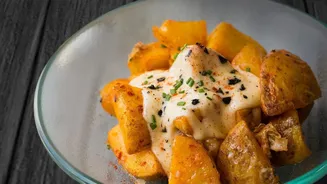
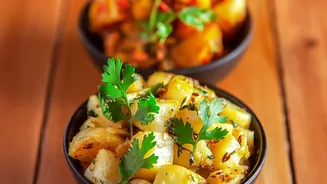
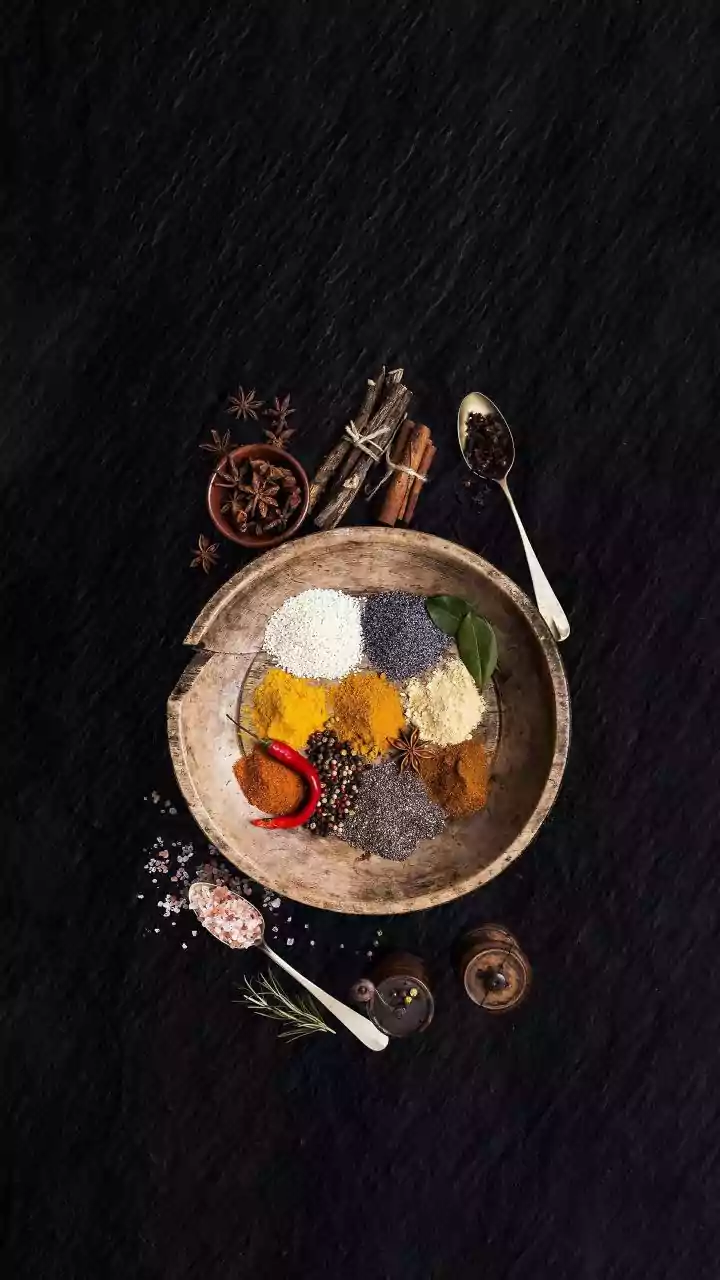
opium poppies. A fascinating culinary innovation arose from this challenging time: Aloo Posto. Legend has it that farmers' wives, left with an abundance of poppy seeds (posto) and the newly introduced potato, created this simple yet profound dish. By grinding the leftover nutty poppy seeds into a paste and cooking it with potatoes and pungent mustard oil, they created a Bengali comfort food classic that endures to this day. This dish marks the potato's early integration, adopted into regional kitchens using local ingredients and techniques.
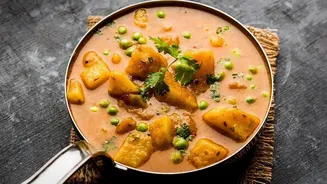
The Royal Seal of Approval: Kashmiri Dum Aloo
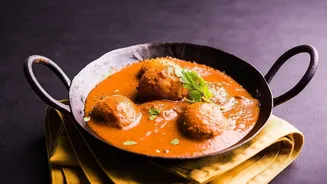
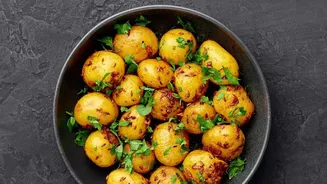
From the farmer's pot, the potato travelled to royal kitchens, where it was elevated into a dish fit for nobility. Hailing from the Kashmir Valley, Dum Aloo is a testament to this journey. This dish, a cornerstone of traditional Kashmiri Pandit cuisine, involves slow-cooking baby potatoes in a rich, fragrant gravy. The technique, known as 'dum' or slow-steaming, allows the potatoes to absorb a complex blend of spices like fennel, ginger, and fiery Kashmiri chillies. Dum Aloo represents the potato's acceptance into the world of Indian fine dining, proving its versatility beyond being a mere subsistence crop. It showed that this foreign tuber could be the centrepiece of a celebrated, sophisticated vegetarian dish.
The Pan-India Unifier: Masala Dosa's Filling
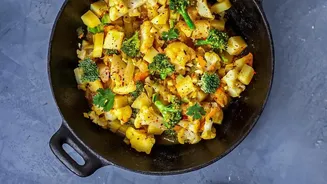
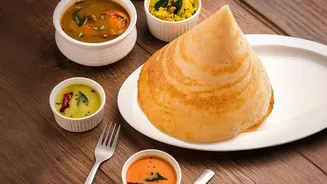
For the potato to truly become Indian, it had to conquer the south. It achieved this by finding a home inside one of South India's most iconic dishes: the masala dosa. While the dosa crepe itself is an ancient dish, the practice of stuffing it with a spiced potato mixture is a more recent innovation, widely credited to the Udupi restaurants of Karnataka. The mild, earthy flavour of the boiled potato filling, spiced with mustard seeds, turmeric, and curry leaves, perfectly complements the tangy, fermented taste of the dosa. The potato's inclusion in masala dosa marks its complete geographical and cultural assimilation across the subcontinent, becoming an essential part of a beloved dish far from its original entry point.
The Star of the Streets: Aloo Tikki Chaat
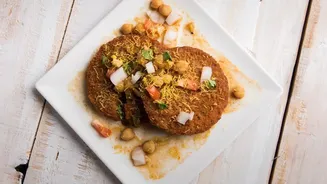
No ingredient can be considered truly Indian until it hits the streets. Aloo Tikki marks the potato's firm establishment as a food for the masses. Originating in North India, these crisp, pan-fried potato patties became a staple of street vendors, or 'chaatwalas'. The dish's origins are often linked to Mughal-era kitchens, evolving over time into the street food icon it is today. Served simply with chutneys or loaded up as a 'chaat' with yoghurt, chickpeas, and a mix of sweet and spicy sauces, aloo tikki showcases the potato's affordability and adaptability. It became the heart of India's vibrant chaat culture, a delicious and accessible snack for everyone.
The Modern Urban Icon: Vada Pav
The potato's final triumph is its role as fuel for modern, urban India. The Vada Pav of Mumbai is the ultimate symbol of this. Invented in the 1960s, it was created as a quick, cheap, and filling meal for the city's bustling textile mill workers. Credited to Ashok Vaidya, who set up a stall outside Dadar station, the concept was simple: a spicy potato fritter (vada) tucked inside a bread roll (pav), a contribution from the Portuguese. The 'Bombay Burger', as it's sometimes called, became an instant success. It represents the potato's role in the fast-paced life of contemporary India, an affordable and satisfying staple that powers the country's largest cities.