


Pace and Cardiovascular Intensity
When it comes to pace, there’s a clear distinction. Cycling is a quintessential cardiovascular workout, designed to elevate your heart rate and build endurance. A moderate to vigorous ride can burn a significant number of calories, with estimates ranging
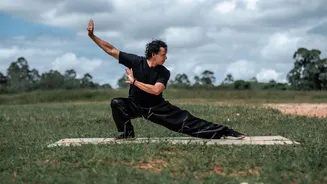
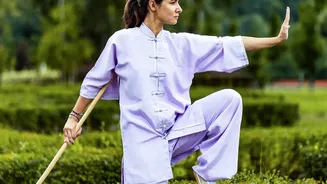
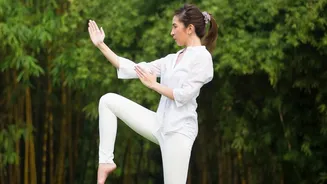
from 298 to 372 calories in 30 minutes for a 155-pound person, depending on speed. In contrast, Tai Chi is defined by its slow, deliberate movements. While it is considered a moderate-intensity exercise, its primary cardiovascular benefit comes from improved circulation and, according to some studies, a significant reduction in blood pressure, sometimes even more so than traditional aerobic exercise. If your goal is a high-energy, calorie-torching session, cycling is the clear winner. But for steady, gentle heart health benefits, Tai Chi holds its own.
Impact on Joints and Body
Both activities are praised for being low-impact, but they achieve this in different ways. Cycling is famously easy on the joints compared to running, as the circular pedaling motion strengthens surrounding leg muscles without the jarring stress of striking the ground. It powerfully builds leg strength and muscular endurance. However, improper bike fit can lead to strain. Tai Chi is often called a perfect low-impact exercise, with movements so gentle and controlled that it has been shown to reduce pain and increase function for those with knee osteoarthritis. Research confirms that Tai Chi puts less force on the leg, and at a much slower rate, than even normal walking. Its focus on slow, controlled weight shifting makes it exceptionally safe for joints while building strength and stability.
The Battle for Mental Focus
Here, the two disciplines offer different paths to mental clarity. Cycling can be a form of moving meditation, where the rhythmic pedaling and focus on the road ahead can clear the mind of racing thoughts. This can reduce stress and anxiety, boosted by the release of endorphins from physical exertion. Tai Chi, however, is explicitly a mind-body practice, often described as "meditation in motion." It demands complete concentration on breath, posture, and the seamless flow between movements. This practice has been shown to improve executive functions like decision-making and multitasking. Studies suggest Tai Chi's unique combination of physical activity and mindfulness may offer superior benefits for cognitive function and stress reduction compared to exercises that don't require the same level of mental engagement.
Flexibility, Balance, and Core Strength
While cycling is a powerhouse for cardio and leg strength, it doesn't do as much for flexibility or balance. In fact, dedicated cyclists often turn to practices like Tai Chi to improve their flexibility and core strength for better recovery and posture. This is where Tai Chi truly shines. The practice is renowned for its ability to improve balance, coordination, and proprioception—the body's awareness of its position in space. The constant, controlled shifting of weight strengthens the core and small stabilizing muscles throughout the body. Regular practice has been shown to enhance joint flexibility, reduce stiffness, and is considered one of the most effective interventions for preventing falls, particularly in older adults.
Accessibility and Practicality
From a practical standpoint, the two activities have different requirements. Cycling, whether outdoors or on a stationary bike, requires equipment. Outdoor cycling also demands access to safe routes. While versatile, the initial investment can be a barrier for some. Tai Chi, on the other hand, is one of the most accessible forms of exercise available. It requires no equipment and minimal space, and can be practiced almost anywhere, indoors or out. This makes it easy to integrate into a daily routine regardless of location or budget, a factor that contributes to its growing popularity as a sustainable, lifelong health practice.